--- Shukrana Guru Ji 🙏 ---

Safe Medical Waste Disposal at Home: A Guide for Families and Caregivers

Caregiver disposing of medical waste at home using labeled containers for sharps, medicines, and biohazards with an elderly patient nearby.

Managing health at home, whether it’s caring for a loved one after surgery, managing a chronic illness, or even daily medication use, often raises an important question: how do we handle the medical waste we generate? From used syringes and dressings to expired medicines, safe medical waste disposal is essential to protect not just your family, but also the community and environment.

Why Medical Waste Needs Special Handling

Medical waste at home may seem harmless, but improper disposal can cause serious harm. Used needles, blood-stained bandages, or even unused pills can spread infection, injure sanitation workers, and pollute water or soil. When medical items are mixed with regular garbage, they pose risks far beyond your household.

This is why it’s important for families and caregivers to follow proper waste separation and disposal practices even at home. Doing so not only helps prevent accidents and contamination but also builds a culture of safety and responsibility.

Types of Medical Waste Found at Home

Understanding what qualifies as medical waste is the first step. Here are some common examples you may encounter during at-home care:

  • Used syringes, needles, or lancets (sharps)
  • Bandages, gauze, and cotton with blood or body fluids
  • Expired or unused medications
  • IV bags or tubing
  • Gloves, masks, and other PPE
  • Sanitary napkins or adult diapers (in some cases)

Each of these categories needs to be handled differently. Treating them all the same can create contamination risks and make disposal harder for municipal systems.

How to Dispose of Medical Waste Safely at Home

1. Use a Dedicated Sharps Container

Never throw used needles or lancets directly into household bins. Instead, use a hard plastic container (like a thick laundry detergent bottle) with a screw lid to collect them safely. Label it clearly as “Sharps” and seal it before handing it over to a pharmacy or local disposal center that accepts sharps.

2. Separate Contaminated Materials

Items like used bandages, gloves, or dressings should be sealed in leak-proof bags. If visibly soiled with blood or fluids, wrap them tightly and mark the bag before placing it in the waste bin. Some regions provide red or yellow bags specifically for biomedical waste check with your local health department.

3. Don’t Flush or Toss Expired Medications

Flushing medicines down the toilet or sink can contaminate water sources. Instead, take expired or leftover medications to a pharmacy collection program, medical camps, or community disposal drives. Some areas have secure drop boxes for pharmaceutical waste.

4. Use PPE When Handling Waste

Always wear gloves when disposing of any medical materials. Wash your hands thoroughly afterward, even if gloves were used. This helps minimize the risk of infection or cross-contamination, especially when caring for immunocompromised patients or elderly individuals.

Check Local Guidelines for Medical Waste Disposal

Regulations vary depending on your city or state. Some places offer medical waste pickup or designated drop-off points. It’s worth calling your local municipal office or healthcare provider to ask about available services. Many urban areas in India, for example, have introduced biomedical waste segregation systems for homes with patients undergoing treatment.

If you’re working with a home nursing service or caregiver, ask if they provide or recommend waste handling and removal support.

Final Thoughts: Protecting Health Begins with Responsible Disposal

Medical waste disposal is not just a healthcare issue it’s a human issue. By taking simple, consistent steps at home, you protect your family, sanitation workers, and the planet. Every properly disposed bandage or safely stored syringe reduces the risk of harm and shows that you care deeply and responsibly.

Whether you’re a caregiver, a patient, or someone managing home recovery, make disposal a part of your healing routine. Small actions create safer homes and healthier communities one safely sealed bag at a time. If you are someone who barely has time to take care of your loved ones as a professional you can always hir help. Make your life easy and smooth with caregivers.


Infection After Surgery: How to Spot the Signs Early and Protect Your Recovery

Nurse examining a patient’s surgical wound in a hospital room, highlighting post-surgery infection care.

Undergoing surgery can be both a relief and a source of stress. While it may fix a health problem, the recovery process needs just as much attention, especially when it comes to post-operative care. One of the most common complications patients face is an infection after surgery. It can delay healing, increase discomfort, and in some cases, become dangerous if left untreated. Understanding the early warning signs is key to a safe and smooth recovery journey.

Why Infections Happen After Surgery

Surgical procedures, regardless of their severity, involve breaking the skin and exposing internal tissues. This can allow bacteria to enter the body. While doctors take every precaution to maintain sterile environments, a patient’s immune response, existing medical conditions, or even improper wound care at home can increase the risk of infection.

Infections can occur in the wound site, internal organs, or even in areas like the urinary tract and lungs, especially if medical devices like catheters or ventilators are used during or after the operation.

Common Risk Factors Include:

  • Diabetes or other immune-compromising conditions
  • Smoking or poor nutrition
  • Obesity or being overweight
  • Long surgery durations
  • Improper wound cleaning at home

Recognizing the Signs of Infection After Surgery

Early detection is crucial. Often, people confuse normal healing symptoms like redness or mild swelling with something more serious. But knowing what to look out for can help catch problems before they escalate.

1. Unusual Redness or Swelling

Some inflammation is expected in the healing process, but if redness expands or swelling worsens over days instead of improving, it may be an indicator of infection.

2. Persistent Pain or Tenderness

A certain amount of pain is normal after surgery. However, if the pain increases rather than decreases, or feels hot and tender to the touch, it could mean something is wrong beneath the surface.

3. Discharge or Pus from the Wound

Clear fluid is common from surgical wounds initially, but yellow or green pus, or a foul-smelling discharge, is a sign of infection after surgery and must be taken seriously.

4. Fever or Chills

A fever, especially above 100.4°F (38°C), may indicate that the body is fighting an infection. Chills or night sweats are also red flags that shouldn’t be ignored.

5. Fatigue or Confusion

Severe tiredness, dizziness, or confusion could mean the infection is affecting the entire body, especially in elderly patients. This can become life-threatening if not addressed promptly.

Steps to Prevent Infection Post-Surgery

While not all infections are avoidable, many can be prevented through proactive care and hygiene. Here’s what you can do:

  • Follow your doctor’s post-op instructions carefully
  • Clean the surgical site with sterile products only
  • Keep the area dry and covered unless advised otherwise
  • Wash hands before touching the wound or dressing
  • Avoid smoking, alcohol, and heavy physical activity

If you’re being cared for at home, consider hiring a professional nurse or caregiver to help with wound dressing, monitoring vital signs, and ensuring medications are taken on time.

When to Call Your Doctor

If you notice any of the signs of infection after surgery mentioned above like increased redness, discharge, high fever, or sudden weakness don’t wait. Contact your healthcare provider immediately. Acting early can prevent complications like abscesses, delayed healing, or even sepsis.

It’s always better to check and be wrong than to wait and risk worsening the situation. Your doctor may recommend blood tests, wound cultures, or imaging to determine the cause and begin treatment such as antibiotics or drainage procedures.

Final Thoughts: Healing Happens with Awareness

Recovering from surgery is more than just resting it’s about staying alert and informed. Knowing the possible risks of an infection after surgery and being able to spot early symptoms ensures that you or your loved one can heal safely and confidently at home.

Trust your body, listen to it, and never hesitate to seek professional help when something doesn’t feel right. With a little caution and the right care, recovery can be smooth, empowering, and complication-free.

Cardiac Arrest vs Heart Attack? What You Need to Know

Person holding their chest because of pain, which could be a sign of a heart problem - highlighting the need to understand the difference between cardiac arrest vs heart attack.

Every second counts when it comes to a heart emergency. Yet, many don’t know about Cardiac Arrest vs Heart Attack. Both are serious, but they are not the same.

Let’s understand this better:

Heart Attack: What Does It Mean?

A heart problems symptoms happens when there is no flow of blood to the heart of a person. This is usually because something is blocking the blood flow, like a clot or fat in the blood vessels. When there is not enough blood reaching to heart, it gets damaged. The person is usually awake and may feel chest pain tightness or pressure. It is important to get the help right away to stop more damage.

Signs or Symptoms of a Heart Attack:-

  • Heaviness or discomfort in the chest- You may feel a tightness or pressure in your chest, as if a heavy object rested on it.
  • Back pain, neck pain, and arm pain-Pain from a heart attack doesn’t stay in the chest. It may spread to your neck, back, and arms. You might not feel well at that time
  • Shortness of breath-It can suddenly become hard to breathe, even while resting.
  • Feeling dizzy: You may suddenly feel weak, or as if you might fall or pass out.

Cardiac Arrest: What Does It Mean?

Cardiac arrest happens when a heart of person stops responding. Because there is no flow of blood to the brain and body, the person may faint, stop breathing, and not respond at all. It happens very quickly and is very serious. If no help is given right away, it can be life-threatening.

Signs or Symptoms of Cardiac Arrest:-

  • Sudden Collapse- The person may fall down suddenly and become unresponsive.
  • Chest Pain Before Collapse – In some cases, there might be chest discomfort or pain right before collapsing.
  • Heartbeat Stops– The heart stops working during cardiac arrest, so there’s no heartbeat.
  • Skin or Lips Turn Blue – When the heart stops, then oxygen also stops reaching the body. This makes the person’s lips, fingertips, or skin look blue. It’s a clear signal that the body lacks proper oxygen supply

Cardiac arrest vs Heart attack

  • Heart attack: Blood can’t reach the heart because some blood clots are blocking the way.
  • Cardiac arrest: The heart suddenly stops beating.
  • Heart attack: Chest pain, suffocation, dizziness, pain in the arm, and back.
  • Cardiac arrest: The system that controls the heartbeat fails suddenly.
  • Heart attack: When a blood vessel to the heart gets blocked, it can cause a heart attack.

How to Lower the Risk Through Homecare

While not all heart emergencies can be prevented, good care at home can lower the risk of both heart attacks and cardiac arrest. Here are various things to follow:

  • Eat healthy food
  • Stay active
  • Avoid smoking and limit alcohol
  • Manage stress

Homecare Support Can Help

With a trained nurse at home, you can get support like

  • Monitor your vital signs regularly
  • Help with medication and diet
  • Encourage daily movement and exercise
  • Offer emotional support and stress relief

Conclusion:

Knowing the cardiac arrest vs heart attack can save lives. Both are dangerous heart problems that need fast action and attention. By understanding the symptoms, home health care services , and getting regular checkups, you can lower your risk.

With  support from trained caregivers or nurses at home, you or your loved ones can get the right care, comfort, and early help when it’s needed the most.

Postnatal Care at Home: Essential Support for New Mothers and Newborns

Nurse providing postnatal care to a new mother holding her baby at home

Welcoming a baby into the world is one of life’s most beautiful moments, but it’s also a time of massive physical, emotional, and mental change for new mothers. The post-delivery period can be overwhelming between late-night feedings, adjusting to newborn routines, and healing from childbirth. That’s why more families are turning to postnatal care at home, a supportive and comforting way to ensure both mother and baby get the care they deserve in a familiar, loving environment.

Healing and Comfort Through At-Home Recovery After Childbirth

After giving birth, a woman’s body goes through intense changes, pain, fatigue, hormonal shifts, and sometimes even complications. This is not just a time for rest but for guided recovery. While hospitals may handle the initial few days, true healing often happens at home.

That’s where home care for new mothers becomes invaluable. Having a trained nurse or caregiver visit your home ensures the mother is physically healing and emotionally supported. From monitoring stitches and C-section wounds to helping with breastfeeding and newborn care, these professionals act as both medical support and emotional anchors during an incredibly delicate time.

Personalized Home Nursing Support for New Moms

One of the most significant benefits of postnatal services at home is the undivided attention the mother receives. Unlike hospitals, where nurses juggle multiple patients, a home nurse focuses solely on one family. This one-on-one attention means that care is tailored to the mother’s needs.

New mothers often struggle with breastfeeding, sleep schedules, and anxiety. A maternal care specialist helps with:

  • Lactation support
  • Baby hygiene and feeding routines
  • Pain management and recovery tracking
  • Emotional reassurance
  • Education for first-time parents

This isn’t just medical care. It’s compassionate companionship when mothers need it the most.

Empowering New Mothers with Confidence

In India, especially in urban areas, many nuclear families may not have older women in the house to guide and assist after delivery. In such cases, professional at-home post-delivery care fills that gap beautifully.

It’s not uncommon for mothers to question themselves: Am I doing this right? Why am I so tired? Is my baby feeding enough? With a professional by your side, these doubts slowly melt away.

Caregivers help new mothers build confidence by:

  • Teaching proper baby-handling techniques
  • Offering tips for postnatal nutrition
  • Creating structured daily routines
  • Being there to talk through fears and frustrations

This kind of support helps reduce the risk of postpartum depression and builds emotional resilience.

When Should You Consider Home-Based Maternal Care?

Not every new mother will have a smooth recovery. It is beneficial in situations such as:

  • C-section or complicated delivery recovery
  • First-time motherhood
  • Lack of family support
  • Premature baby or special care needs
  • Breastfeeding difficulties
  • Postpartum anxiety or depression symptoms

In these cases, having professional support at home can make the difference between struggling silently and healing confidently.

You can choose between part-time visits or 24/7 live-in support during the early days. The care plan can be customized depending on your needs, comfort, and health goals. Check out time slots and services.

Final Thoughts: Why Postnatal Care at Home Matters More Than Ever

Motherhood is a journey full of happiness and requires strength, calmness, and care. Sadly, in the excitement of the new baby, a mother’s well-being often gets overlooked. Postnatal care at home brings the focus back where it belongs on the mother’s recovery and emotional health.

You give the mother the gift of time, care, and rest by choosing at-home postnatal services. You’re also creating a calmer environment for the baby to grow, bond, and thrive. Whether you are a new mom, a spouse, or a family member, know that the support you choose now will shape the future health and happiness of both mother and child.

Healing doesn’t have to happen alone. Let it happen gently, lovingly at home.

Elderly Care Tips at Home

elder care services for home

Elderly care is essential because it helps older people live comfortably and safely. In our family, some elders face health issues like diabetes, high blood pressure, Mobility problems, and heart diseases. Older adults hold a very special place in our family, and it’s our responsibility to take care of them.

Here, we have listed some tips that will help in elderly care for your family, and they can be used by any of your family members, caregivers, and friends:

Keep them active:

Older people commonly face movement issues like stiff joints and chronic diseases like arthritis, which make movement uncomfortable. So, to keep them active, encourage them to do regular exercises like chair exercises and yoga. It will help older adults to be physically active.

Some simple exercises for seniors:

  • Toe Taps: Sit on a chair, keep heels down, and lift your toes to boost blood flow and muscle movement.
  • Neck Stretch: Sit comfortably, relax your hands, and gently rotate your neck side to side until you feel a light stretch.

Keep Their Minds Active:

Keeping the body healthy is essential, but the mind needs care too. When our elders stay mentally active and emotionally connected, they feel happier and less lonely.

We can encourage them by:

  • Having Daily Conversations: Talking regularly helps elders feel connected and emotionally supported.
  • Watching Light-hearted or Comedy Shows: Light entertainment lifts their mood and reduces stress.
  • Outdoor Activities: Fresh air and gentle movement improve mental and physical well-being.
  • Read Books or Listen to Spiritual Talks: Encourages calmness, reflection, and mental engagement.

Elderly Care Daily Routine Plan:

Older people feel more comfortable when their day follows a regular pattern.

You can include:

  • Fixed wake-up and bedtime: A regular sleep schedule supports overall health and stability in elderly care.
  • Set meal and snack times: Timely meals help with digestion and avoid confusion.
  • Time for exercise or a walk: Light movement keeps the body active and boosts mood.
  • Prayer or relaxation time: Quiet time brings peace and mental balance.

Creating a routine is a key part of elderly care that helps reduce confusion and provides structure. A caregiver can gently guide you through the day.

Manage Medicines Properly:

Managing medicines is a significant responsibility in elderly care. They often take several medicines a day, and missing a dose or taking the wrong one can be harmful. That’s why proper family or home healthcare services —support are so important.

How to manage it well:

  • Use a weekly pill organiser: It helps keep track of daily doses.
  • Set reminders for medicines: Make sure medicines are taken on time.
  • Hire caregivers or home healthcare professionals: They can monitor medications safely and provide timely support.

Regular Health Checkups at Home:

With elderly care services at home, there’s no need to travel for routine medical checkups.

Common checkups include:

  • Check BP and sugar levels: Monitors common health issues in elderly care.
  • Track oxygen and pulse: Keep vital signs under watch.
  • Doctor consultations at home: Reduces the need to travel.
  • Offer physiotherapy at home if needed: Aids in recovery and strength.
  • Follow-up post-treatment: Supports faster healing at home.

Encourage Social Connection:

Loneliness can affect both mood and health. That’s why elderly care also includes helping seniors stay socially connected.

Easy ways to stay connected:

  • Phone/video calls with family: Keeps emotional bonds strong.
  • Join online satsangs/groups :This builds a feeling of belonging.
  • Group calls with old friends: Bring back happy memories.
  • Host home visits: Adds joy through social interaction.
  • Include them in family events: This makes them feel loved and included.

Support with Daily Activities:

A big part of elderly care includes helping with everyday tasks like bathing, dressing, and eating. Support them kindly and allow them to do whatever they are interested in.

You Can:

  • Help with dressing
  • Support with walking or movement

CONCLUSION

Looking after our elders is one of the most meaningful and valuable responsibilities we have. Keeping them active, listening to their stories, sitting with them for a cup of tea, and making them feel heard brings them joy and comfort. After all, they’ve spent their lives caring for us; now it’s our turn to make their days easier, happier, and full of warmth right at home.

Newborn Baby Care at Home: A Gentle Beginning to Life

Newborn baby care at home ,baby lying peacefully while powder is gently applied to the skin

Bringing your newborn home begins a more beautiful journey. It is a time of joy and the quiet fear of getting everything exactly right. At that point, newborn baby care at home becomes essential.

If you are a new parent and want simple, helpful advice for your newborn baby, the following tips will guide you on how to do baby care at home, covering all the basics, from safety and cleanliness to helping your baby sleep well.

1. Create a calm and safe space for newborn care.

The surroundings of a newborn baby have an essential impact on their comfort and development.

  • Maintain a calm environment – Keep noise levels low and avoid sudden loud sounds.
  • Control room temperature – Ensure the Room is comfortably warm (around 24–26°C).
  • Using natural light- During the day helps set the baby’s day-night routine.
  • Reduce risks like SIDS(Sudden Infant Death Syndrome) – A simple sleep setup helps prevent sudden sleep-related issues.
  • Keep surroundings clean – Frequently clean the room and wash your baby’s bed.

2. Feed Your Baby Comfortably and Gently

Feeding is one of the most personal aspects of newborn care.

  • Hold the baby upright while feeding – Helps prevent gas and spit-up.
  • Take feeding intervals – Give them rest while feeding.
  • Burp gently after feeding – Helps release air and reduce gas.
  • Stay relaxed and calm – Your comfort helps your baby feel safe while feeding.

3. Bathing and Hygiene: Daily Essentials.

Maintaining baby hygiene at home is necessary for avoiding infections and keeping your newborn comfortable.

  • Use lukewarm water – Start with gentle sponge baths using warm (not hot) water and fragrance-free cleansers.
  • Be gentle while cleaning – Wipe the baby’s body softly with a clean cloth to avoid rubbing the skin.
  • Gently press a towel to dry the skin – Use a soft towel to gently press and absorb water from the baby’s skin instead of rubbing it.
  • Change diapers – It helps to prevent rashes and irritation.
  • Apply diaper cream when needed – Use a non-allergenic cream if you notice redness or a rash.
  • Trim nails carefully – Prevents skin cuts and keeps away germs.
  • Keep hands and clothes clean – Wash your hands before and after handling your baby, and change clothes regularly.

4. Simple Sleep and Comfort Tips for Newborns

Newborns usually sleep more than 15  hours a day, but in frequent intervals.

  • Follow a Routine – Feed, cuddle, and help your baby rest around the same time daily.
  • Keep the Room Calm – Use soft lighting and avoid loud noise.

5. Monitor Baby’s Health

It is crucial to check your baby’s health. Always check how regularly they eat and sleep, and whether they need a diaper change. Always follow the vaccination schedule and look for signs like fever or rashes. Talking to a doctor regularly through any call can help you if there are any health problems.

Conclusion

When you choose newborn baby care, your child will be surrounded by warmth, comfort, and expert attention in a familiar setting. A daily routine helps your baby’s feeding, cleaning, sleep, and overall growth. With caring support at home, you don’t have to manage everything alone. Trained professionals help care for your baby so you can focus on resting, bonding, and enjoying each special moment. You’ll have the space and time to focus on bonding with your newborn, healing from childbirth, and adjusting to this beautiful new chapter while being supported by trained hands.

Alzheimer’s Awareness: Early Signs, Care Tips, and How to Support Loved Ones

Creative showing Alzheimer’s care tips, emotional support, and love for elderly patients

Watching someone you love slowly slip away from the person they once were is one of the most painful things a family can experience. Alzheimer’s disease affects memory, thinking, and behavior, and over time, it can make even everyday tasks difficult. That’s why learning to recognize Alzheimer’s early signs and knowing how to provide effective support through thoughtful Alzheimer’s care tips is more important than ever.

Millions of families around the world are silently carrying this burden, often unsure of how to navigate the changes. But with awareness, preparation, and a lot of compassion, you can make this journey more manageable for your loved one and yourself.

Recognizing Alzheimer’s Early Signs: Don’t Ignore the Subtle Changes

The first signs of Alzheimer’s are often brushed off as simple forgetfulness or signs of getting older. But Alzheimer’s is not just about forgetting things; it’s about the gradual decline of brain function.

Here are some early signs of Alzheimer’s to watch for:

  • Short-term memory loss

    They may forget things you just talked about, or keep repeating questions.

  • Having trouble completing familiar chores

    They find difficulties in basic works like paying bills, following a recipe, or brewing a cup of coffee.

  • Trouble with language

    They may pause mid-sentence, forget words, or substitute unusual terms.

  • Changes in mood and behavior

    Withdrawal from social activities, becoming irritable or confused easily.

  • Disorientation

    Getting lost in familiar surroundings or not knowing the time or date.

If you’re noticing these changes, don’t wait for them to get worse. Getting a diagnosis early can help with better treatment options and planning for the future. You can also provide home care support to your loved ones with dementia.

Alzheimer’s Care Tips: Creating a Supportive Environment at Home

Taking care of someone with Alzheimer’s is not just about helping them bathe, eat, or take medicine; it’s about protecting their dignity and reducing their fear. Alzheimer’s patients often know something is wrong, even if they can’t explain it. That’s why the home needs to be a place of comfort, not confusion.

Here are few helpful Alzheimer’s care tips for caregivers and family members:

  • Maintain consistent routines

    Familiar work reduce anxiety and help the person feel more in control.

  • Simplify the environment

    Reduce noise, remove clutter, and keep furniture in the same place to avoid confusion.

  • Label important items

    Use simple signs or photos on drawers, doors, and cabinets.

  • Encourage non-dependability

    Promote them to do what they can safely. It boosts confidence.

  • Redirect, don’t argue

    If they say something incorrect or unusual, gently guide the conversation instead of correcting them.

  • Practice patience

    You may need to repeat yourself often. Speak calmly and clearly.

Caregiving is tough. Don’t try to do everything alone. Seek help from trained nurses, support groups, or respite services when you need to rest.

How can we Emotionally Support our Loved Ones with Alzheimer’s

People with Alzheimer’s might forget your name, but not your love. They may lose words, but they still feel emotions. Emotional support is just as important as physical care, and small moments of connection can be deeply meaningful.

Here’s how you can emotionally support them:

  • Use gentle touch

    Holding hands, a hug, or sitting beside them provides reassurance.

  • Look through photo albums

    Old memories often remain longer than new ones. Talking about the past can bring joy and calm.

  • Listen with your heart

    Even if the words don’t make sense, the feelings behind them are real.

  • Stay present

    Sometimes, just sitting together in silence offers more comfort than words.

Encourage family and friends to visit and engage, even if the person doesn’t recognize them. Familiar faces and voices still bring comfort.

Final Thoughts: You’re Not Alone

Living with Alzheimer’s is hard. Caring for someone with Alzheimer’s feels even harder. But you are not alone, and neither is your loved one.

By understanding Alzheimer’s early signs and applying practical Alzheimer’s care tips, you can give your loved one a life filled with comfort, safety, and dignity. You do not need to do it all together; start small. Learn, Adapt, lean on your community and professional caregivers when needed. Explore options for home care and experienced caregivers.

Alzheimer’s takes away memories, but it doesn’t erase love. That love shown in everyday moments of kindness, patience, and presence is what truly matters.

Home Healthcare for Cancer Patients: Myths, Facts, and Real Benefits

Nurse caring for a child recovering from cancer at home

Home healthcare for cancer patients is transforming how recovery and long-term care are delivered. A cancer diagnosis changes everything. For the patient, it’s pain and emotional distress. Meanwhile, the family worries, fears, and is uncertain about what happens next. Amidst hospital visits, treatments, and daily challenges, one question often arises:

Can care be brought home?

Fortunately, the answer is yes. Home healthcare for cancer patients is not only possible, it’s often highly effective. However, several myths still prevent families from exploring this compassionate care option. Let’s separate facts from fiction.

Myth 1: Cancer Patients Must Stay in Hospitals

Reality:

Hospitals play a critical role during active treatment such as surgery or chemotherapy. However, many follow-ups, recovery periods, and even treatments do not require hospital stays.

Instead, home healthcare brings expert care to the patient’s home. Nurses, caregivers, and physiotherapists help manage medications, monitor vitals, and assist with daily tasks.

Home surroundings also help with emotional well-being and help to lower anxiety. Patients eat better, sleep better, and find encouragement from their loved ones.

Myth 2: Home Care Isn’t Professional or Effective

Reality:

Today’s home healthcare services are highly professional. Care teams often include visiting doctors, experienced nurses, dietitians, and physiotherapists.

More importantly, home care is personalized. Sessions follow the patient’s routine and comfort level. The caregiver builds trust, notices subtle symptoms, and adjusts care accordingly.

This one-on-one attention often leads to better recovery outcomes than rushed hospital interactions.

Myth 3: Home Healthcare Is Too Expensive

Reality:

Many people assume home care is costly. However, hospital stays often come with many hidden expenses, including room charges, meals, transportation, and additional caregiving.

Home healthcare avoids those. Providers offer flexible packages, ranging from hourly visits to full-time support.

Moreover, many insurance plans and cancer support programs now cover home healthcare services.

Why Home Healthcare Makes Sense

  1. Comfort at Home: Patients feel more relaxed and less stressed in familiar surroundings.
  2. Time with Family: Home care allows loved ones to be around without time limits.
  3. Focused Attention: Caregivers provide undivided support and track small changes in health.
  4. Reduced Infections: Home is a safer space for immunocompromised patients than hospitals.
  5. Flexible Routines: Schedules are built around the patient’s energy, not the hospital’s clock.

Final Thoughts

Home healthcare for cancer patients is not a compromise. It’s a smart, healing-first option that blends expert care with emotional comfort.

So, if you or a loved one is facing cancer, consider bringing care home. It allows dignity, freedom, and peace when they’re needed most.

Because sometimes, the best place to heal isn’t a hospital, Its home.

Physiotherapy at Home: Top 5 Exercises for Post-Surgery Recovery

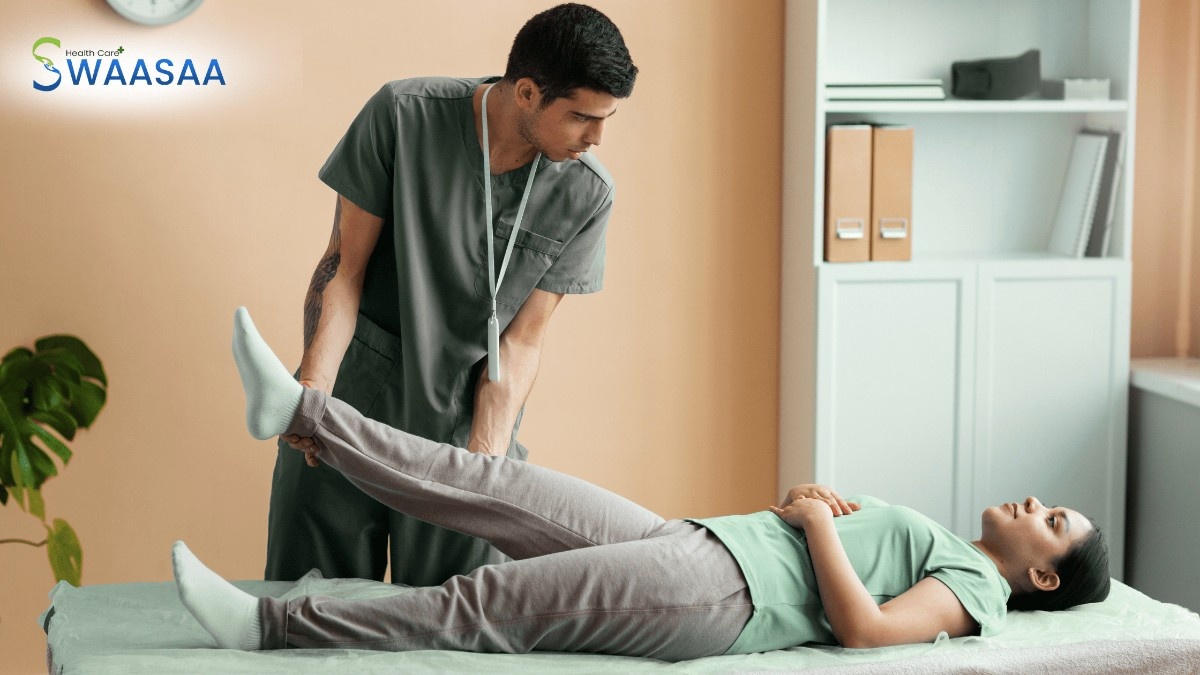
Home Physiotherapist assisting a woman with leg therapy during a physiotherapy session at home

Surgery can leave your body feeling weak, sore, and stiff. But healing doesn’t always need to happen in a hospital or clinic. Many people feel more relaxed and supported when they recover in their own homes. That’s where Home Physiotherapist plays an very important role. It allows you to regain strength and movement under the care of a trained physiotherapist, without stepping out of your front door.

Home-based physiotherapy is especially useful after surgeries like joint replacements, fractures, or spine procedures. When done correctly, simple daily exercises can support faster healing, reduce pain, and help you move comfortably again.

What is Home Physiotherapy

After surgery, the body needs time to repair itself. However, staying inactive for too long can lead to stiffness, reduced circulation, and muscle loss. Physiotherapy at home helps prevent those issues by introducing safe, simple movements that gradually restore strength and flexibility.

One of the biggest advantages of home physiotherapy is comfort. Patients don’t have to travel, wait in queues, or adjust to a new environment. Everything happens in a place they know as their own home. This is especially important for elderly patients, those with mobility limitations, or anyone who feels anxious in clinical settings.

Another benefit is that treatment is completely personalized. The physiotherapist tailors every session to the patient’s condition, goals, and daily energy levels. This one-on-one attention leads to faster recovery, better confidence, and fewer chances of complications.

Top 5 Home Physiotherapy Exercises for Recovery

Before starting any exercise, always consult with your physiotherapist or doctor. Everyone’s body heals differently, and exercises must be adjusted based on surgery type, age, and health status. Here are five gentle exercises that are commonly used in home physiotherapy after surgery:

a) Ankle Pumps

Simple but powerful. Lie down comfortably, and point your toes away from you. Then, pull them back toward your body. This movement boosts blood circulation and helps prevent clots in the legs, especially after leg or abdominal surgeries.

b) Quad Sets

This exercise is ideal after knee surgeries. Sit with your legs stretched out in front of you. Tighten the thigh muscle by pushing the back of your knee down toward the floor or bed. Hold for 5 seconds, then relax. Repeat 10–15 times.

c) Heel Slides

This helps improve knee and hip flexibility. Lie on your back and slowly slide your heel along the surface toward your hips, then return to the starting position. Do 10–15 repetitions on each leg. It may be a little uncomfortable at first, but the movement is gentle and effective.

d) Shoulder Rolls

If you’ve had surgery in your upper body, shoulder stiffness is common. Sit in a chair and gently roll your shoulders forward 10 times, then backward. This helps improve circulation and reduce tension.

e) Deep Breathing

After surgery, especially chest or abdominal surgery, deep breathing is crucial. Sit upright or lie down. Inhale slowly through your nose, hold your breath for 3–5 seconds, and exhale gently through

your mouth. Repeat 5–10 times. This keeps the lungs active and prevents complications like pneumonia.

How a Home Physiotherapist Helps

A home physiotherapist doesn’t just guide exercises they become part of your recovery journey. They monitor your progress, ensure correct posture and technique, and make changes to your routine as needed. They also bring motivation, encouragement, and emotional support, which is often just as important as physical care.

Benefits of Home Physiotherapist

▪️ No travel stress or clinic wait times
▪️ Personalized one-on-one attention
▪️ Better comfort and faster progress
▪️ Safer environment for seniors or high-risk patients
▪️ Builds a routine that fits your lifestyle

Final Thoughts

Physiotherapy at home gives you the chance to heal with comfort, support, and personal attention. It takes away the pressure of traveling, waiting in clinics, or adapting to new surroundings. More importantly, it brings care directly to where you need it most, your home. Every recovery journey is different, but one thing stays the same: healing is better when you don’t have to do it alone. A skilled physiotherapist can help you take steady steps toward better mobility, less pain, and renewed confidence. So, if you or your loved one is recovering from surgery, consider bringing care home.
It’s not just about physical recovery; it’s about peace of mind.

Why Choose Physiotherapy at Home? Benefits, Treatments & Easy Booking Guide

Indian physiotherapist providing personalized physiotherapy at home services to a senior patient lying on a mat.

Physiotherapy is a vital part of recovery for many people dealing with injuries, surgeries, or chronic pain. But not everyone finds it easy or convenient to visit a clinic regularly-especially seniors, post-surgery patients, or those with mobility challenges. This is where physiotherapy at home becomes the best solution, offering expert care right in the comfort of your home.

Why Choose Physiotherapy at Home?

  • Comfort and Convenience – No travel, no waiting rooms. Receive care in the familiar setting of your home.
  • One-on-One Attention – Personalized therapy sessions tailored to your health condition and recovery needs.
  • Safe and Hygienic – Avoid exposure to infections that are common in public clinics or hospitals.
  • Faster Recovery – Regular, uninterrupted sessions ensure quicker healing and lasting improvement.
  • Family Support – Loved ones can easily be part of the recovery process, offering comfort and encouragement.

Key Benefits of In-Home Therapy?

  • Post-Surgery Patients – Recovering from joint replacements, fractures, ligament repairs, or major surgeries.
  • Neurological Patients – Stroke recovery, Parkinson’s disease management, or paralysis rehabilitation.
  • People with Chronic Pain – Relief for arthritis, lower back pain, cervical spondylosis, and joint stiffness.
  • Sports & Fitness Injuries – Support for ligament tears, sprains, muscle stiffness, and minor sports injuries.
  • Senior CitizensFall prevention, balance improvement, muscle strengthening, and general mobility exercises.

What Makes Home Physiotherapy Services Effective?

  • Qualified Therapists – Experienced physiotherapists who understand your condition and offer expert care.
  • Customized Treatment Plans – Every session is planned according to your body’s needs and recovery goals.
  • Modern Equipment & Techniques – Manual therapy, electrotherapy, guided rehabilitation – all at home.
  • Flexible Appointments – Schedule sessions as per your comfort and time availability.
  • Complete Care Focus – Addresses pain relief, muscle strength, balance improvement, and overall health.

How to Book Physiotherapy at Home Easily?

  1. Step 1: Contact a trusted home therapy service provider.
  2. Step 2: Choose a time slot that suits your routine.
  3. Step 3: Begin your personalized physiotherapy at home sessions and start your journey to better health and mobility.

Final Thought:

Your health deserves the best care – right at home. Book your physiotherapy session today and enjoy safe, expert treatment without leaving your doorstep!