--- Shukrana Guru Ji 🙏 ---

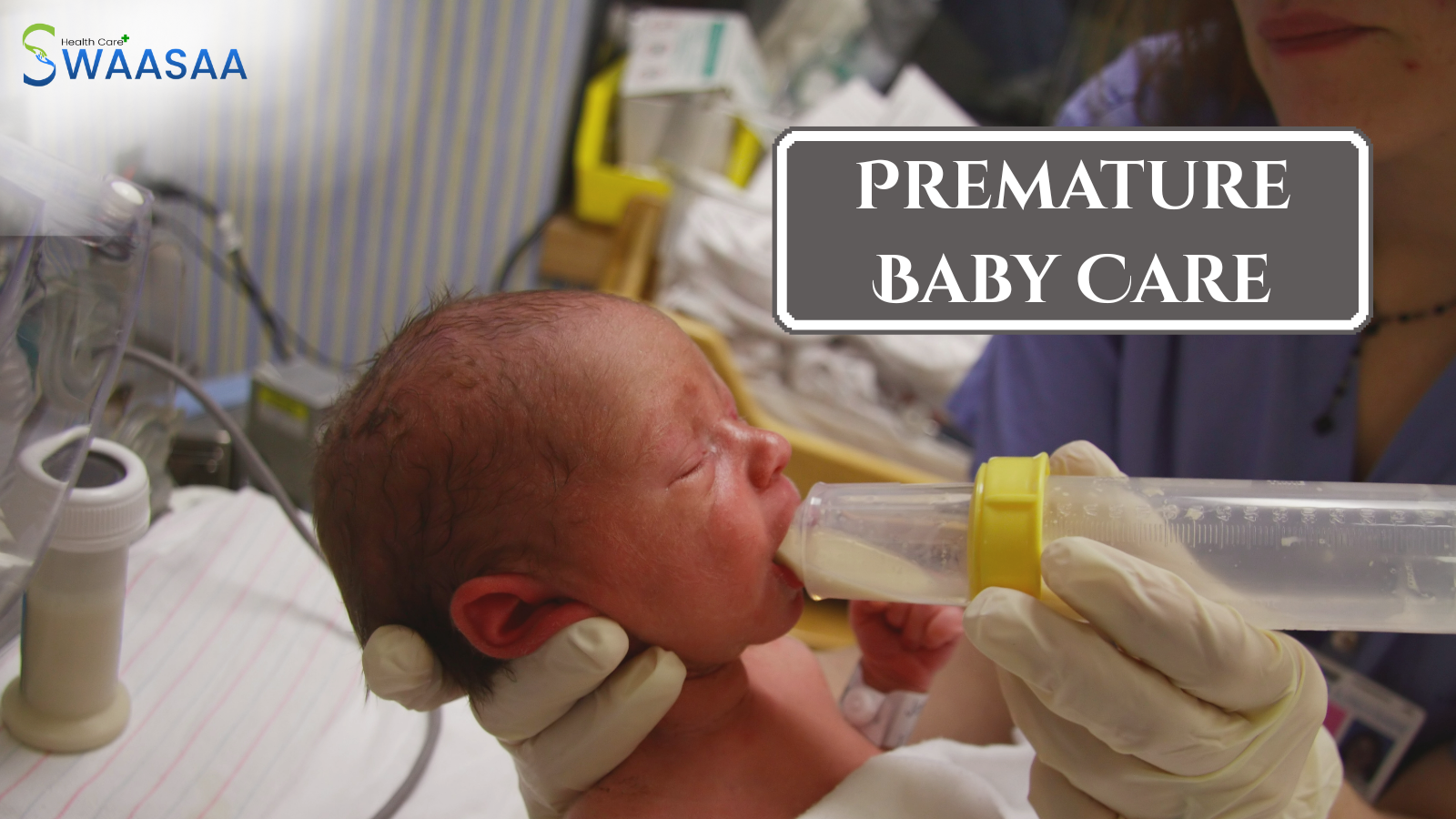
Newborn Baby Care at Home: A Gentle Beginning to Life

Newborn baby care at home ,baby lying peacefully while powder is gently applied to the skin

Bringing your newborn home begins a more beautiful journey. It is a time of joy and the quiet fear of getting everything exactly right. At that point, newborn baby care at home becomes essential.

If you are a new parent and want simple, helpful advice for your newborn baby, the following tips will guide you on how to do baby care at home, covering all the basics, from safety and cleanliness to helping your baby sleep well.

1. Create a calm and safe space for newborn care.

The surroundings of a newborn baby have an essential impact on their comfort and development.

  • Maintain a calm environment – Keep noise levels low and avoid sudden loud sounds.
  • Control room temperature – Ensure the Room is comfortably warm (around 24–26°C).
  • Using natural light- During the day helps set the baby’s day-night routine.
  • Reduce risks like SIDS(Sudden Infant Death Syndrome) – A simple sleep setup helps prevent sudden sleep-related issues.
  • Keep surroundings clean – Frequently clean the room and wash your baby’s bed.

2. Feed Your Baby Comfortably and Gently

Feeding is one of the most personal aspects of newborn care.

  • Hold the baby upright while feeding – Helps prevent gas and spit-up.
  • Take feeding intervals – Give them rest while feeding.
  • Burp gently after feeding – Helps release air and reduce gas.
  • Stay relaxed and calm – Your comfort helps your baby feel safe while feeding.

3. Bathing and Hygiene: Daily Essentials.

Maintaining baby hygiene at home is necessary for avoiding infections and keeping your newborn comfortable.

  • Use lukewarm water – Start with gentle sponge baths using warm (not hot) water and fragrance-free cleansers.
  • Be gentle while cleaning – Wipe the baby’s body softly with a clean cloth to avoid rubbing the skin.
  • Gently press a towel to dry the skin – Use a soft towel to gently press and absorb water from the baby’s skin instead of rubbing it.
  • Change diapers – It helps to prevent rashes and irritation.
  • Apply diaper cream when needed – Use a non-allergenic cream if you notice redness or a rash.
  • Trim nails carefully – Prevents skin cuts and keeps away germs.
  • Keep hands and clothes clean – Wash your hands before and after handling your baby, and change clothes regularly.

4. Simple Sleep and Comfort Tips for Newborns

Newborns usually sleep more than 15  hours a day, but in frequent intervals.

  • Follow a Routine – Feed, cuddle, and help your baby rest around the same time daily.
  • Keep the Room Calm – Use soft lighting and avoid loud noise.

5. Monitor Baby’s Health

It is crucial to check your baby’s health. Always check how regularly they eat and sleep, and whether they need a diaper change. Always follow the vaccination schedule and look for signs like fever or rashes. Talking to a doctor regularly through any call can help you if there are any health problems.

Conclusion

When you choose newborn baby care, your child will be surrounded by warmth, comfort, and expert attention in a familiar setting. A daily routine helps your baby’s feeding, cleaning, sleep, and overall growth. With caring support at home, you don’t have to manage everything alone. Trained professionals help care for your baby so you can focus on resting, bonding, and enjoying each special moment. You’ll have the space and time to focus on bonding with your newborn, healing from childbirth, and adjusting to this beautiful new chapter while being supported by trained hands.

Alzheimer’s Awareness: Early Signs, Care Tips, and How to Support Loved Ones

Creative showing Alzheimer’s care tips, emotional support, and love for elderly patients

Watching someone you love slowly slip away from the person they once were is one of the most painful things a family can experience. Alzheimer’s disease affects memory, thinking, and behavior, and over time, it can make even everyday tasks difficult. That’s why learning to recognize Alzheimer’s early signs and knowing how to provide effective support through thoughtful Alzheimer’s care tips is more important than ever.

Millions of families around the world are silently carrying this burden, often unsure of how to navigate the changes. But with awareness, preparation, and a lot of compassion, you can make this journey more manageable for your loved one and yourself.

Recognizing Alzheimer’s Early Signs: Don’t Ignore the Subtle Changes

The first signs of Alzheimer’s are often brushed off as simple forgetfulness or signs of getting older. But Alzheimer’s is not just about forgetting things; it’s about the gradual decline of brain function.

Here are some early signs of Alzheimer’s to watch for:

  • Short-term memory loss

    They may forget things you just talked about, or keep repeating questions.

  • Having trouble completing familiar chores

    They find difficulties in basic works like paying bills, following a recipe, or brewing a cup of coffee.

  • Trouble with language

    They may pause mid-sentence, forget words, or substitute unusual terms.

  • Changes in mood and behavior

    Withdrawal from social activities, becoming irritable or confused easily.

  • Disorientation

    Getting lost in familiar surroundings or not knowing the time or date.

If you’re noticing these changes, don’t wait for them to get worse. Getting a diagnosis early can help with better treatment options and planning for the future. You can also provide home care support to your loved ones with dementia.

Alzheimer’s Care Tips: Creating a Supportive Environment at Home

Taking care of someone with Alzheimer’s is not just about helping them bathe, eat, or take medicine; it’s about protecting their dignity and reducing their fear. Alzheimer’s patients often know something is wrong, even if they can’t explain it. That’s why the home needs to be a place of comfort, not confusion.

Here are few helpful Alzheimer’s care tips for caregivers and family members:

  • Maintain consistent routines

    Familiar work reduce anxiety and help the person feel more in control.

  • Simplify the environment

    Reduce noise, remove clutter, and keep furniture in the same place to avoid confusion.

  • Label important items

    Use simple signs or photos on drawers, doors, and cabinets.

  • Encourage non-dependability

    Promote them to do what they can safely. It boosts confidence.

  • Redirect, don’t argue

    If they say something incorrect or unusual, gently guide the conversation instead of correcting them.

  • Practice patience

    You may need to repeat yourself often. Speak calmly and clearly.

Caregiving is tough. Don’t try to do everything alone. Seek help from trained nurses, support groups, or respite services when you need to rest.

How can we Emotionally Support our Loved Ones with Alzheimer’s

People with Alzheimer’s might forget your name, but not your love. They may lose words, but they still feel emotions. Emotional support is just as important as physical care, and small moments of connection can be deeply meaningful.

Here’s how you can emotionally support them:

  • Use gentle touch

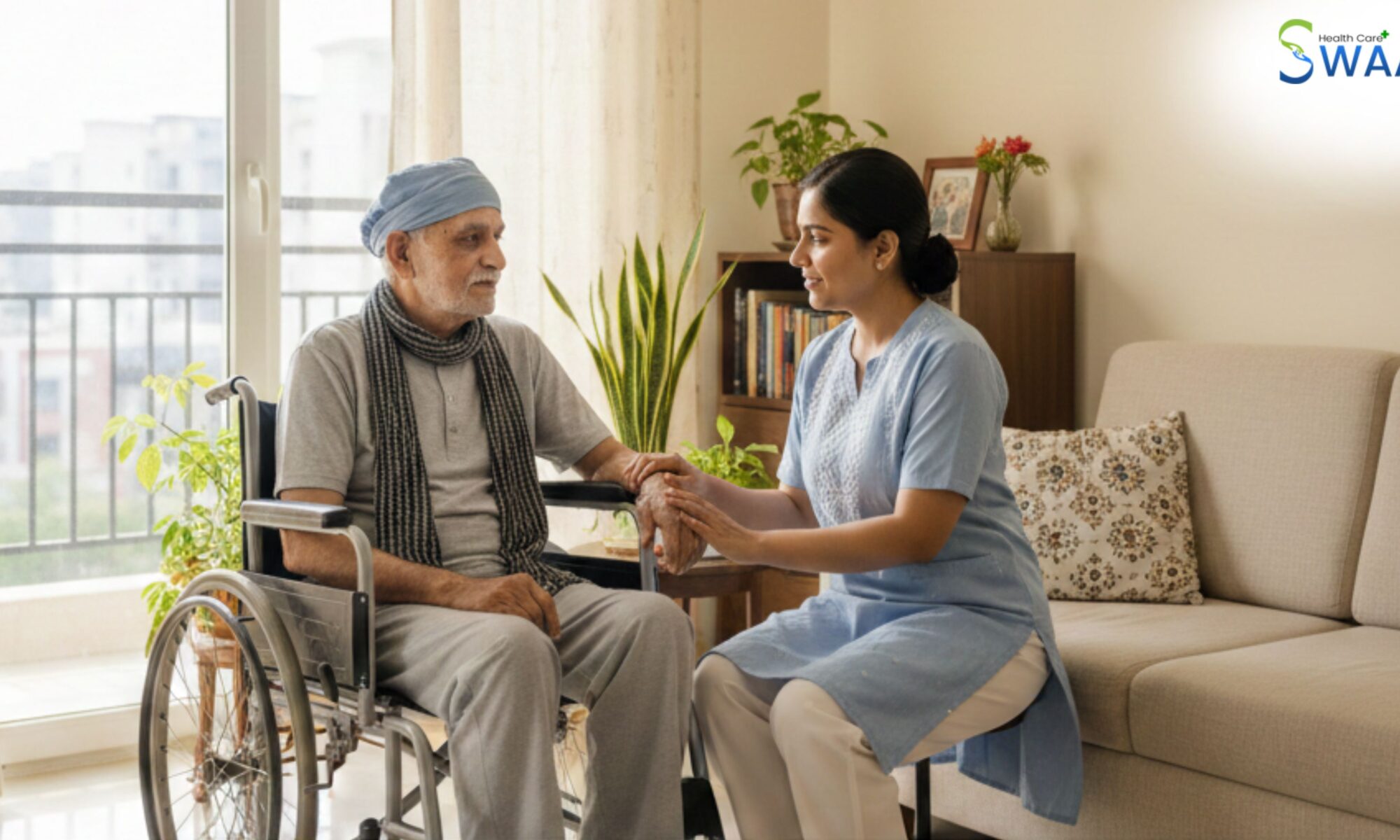
    Holding hands, a hug, or sitting beside them provides reassurance.

  • Look through photo albums

    Old memories often remain longer than new ones. Talking about the past can bring joy and calm.

  • Listen with your heart

    Even if the words don’t make sense, the feelings behind them are real.

  • Stay present

    Sometimes, just sitting together in silence offers more comfort than words.

Encourage family and friends to visit and engage, even if the person doesn’t recognize them. Familiar faces and voices still bring comfort.

Final Thoughts: You’re Not Alone

Living with Alzheimer’s is hard. Caring for someone with Alzheimer’s feels even harder. But you are not alone, and neither is your loved one.

By understanding Alzheimer’s early signs and applying practical Alzheimer’s care tips, you can give your loved one a life filled with comfort, safety, and dignity. You do not need to do it all together; start small. Learn, Adapt, lean on your community and professional caregivers when needed. Explore options for home care and experienced caregivers.

Alzheimer’s takes away memories, but it doesn’t erase love. That love shown in everyday moments of kindness, patience, and presence is what truly matters.

Home Healthcare for Cancer Patients: Myths, Facts, and Real Benefits

Nurse caring for a child recovering from cancer at home

Home healthcare for cancer patients is transforming how recovery and long-term care are delivered. A cancer diagnosis changes everything. For the patient, it’s pain and emotional distress. Meanwhile, the family worries, fears, and is uncertain about what happens next. Amidst hospital visits, treatments, and daily challenges, one question often arises:

Can care be brought home?

Fortunately, the answer is yes. Home healthcare for cancer patients is not only possible, it’s often highly effective. However, several myths still prevent families from exploring this compassionate care option. Let’s separate facts from fiction.

Myth 1: Cancer Patients Must Stay in Hospitals

Reality:

Hospitals play a critical role during active treatment such as surgery or chemotherapy. However, many follow-ups, recovery periods, and even treatments do not require hospital stays.

Instead, home healthcare brings expert care to the patient’s home. Nurses, caregivers, and physiotherapists help manage medications, monitor vitals, and assist with daily tasks.

Home surroundings also help with emotional well-being and help to lower anxiety. Patients eat better, sleep better, and find encouragement from their loved ones.

Myth 2: Home Care Isn’t Professional or Effective

Reality:

Today’s home healthcare services are highly professional. Care teams often include visiting doctors, experienced nurses, dietitians, and physiotherapists.

More importantly, home care is personalized. Sessions follow the patient’s routine and comfort level. The caregiver builds trust, notices subtle symptoms, and adjusts care accordingly.

This one-on-one attention often leads to better recovery outcomes than rushed hospital interactions.

Myth 3: Home Healthcare Is Too Expensive

Reality:

Many people assume home care is costly. However, hospital stays often come with many hidden expenses, including room charges, meals, transportation, and additional caregiving.

Home healthcare avoids those. Providers offer flexible packages, ranging from hourly visits to full-time support.

Moreover, many insurance plans and cancer support programs now cover home healthcare services.

Why Home Healthcare Makes Sense

  1. Comfort at Home: Patients feel more relaxed and less stressed in familiar surroundings.
  2. Time with Family: Home care allows loved ones to be around without time limits.
  3. Focused Attention: Caregivers provide undivided support and track small changes in health.
  4. Reduced Infections: Home is a safer space for immunocompromised patients than hospitals.
  5. Flexible Routines: Schedules are built around the patient’s energy, not the hospital’s clock.

Final Thoughts

Home healthcare for cancer patients is not a compromise. It’s a smart, healing-first option that blends expert care with emotional comfort.

So, if you or a loved one is facing cancer, consider bringing care home. It allows dignity, freedom, and peace when they’re needed most.

Because sometimes, the best place to heal isn’t a hospital, Its home.

Physiotherapy at Home: Top 5 Exercises for Post-Surgery Recovery

Home Physiotherapist assisting a woman with leg therapy during a physiotherapy session at home

Surgery can leave your body feeling weak, sore, and stiff. But healing doesn’t always need to happen in a hospital or clinic. Many people feel more relaxed and supported when they recover in their own homes. That’s where Home Physiotherapist plays an very important role. It allows you to regain strength and movement under the care of a trained physiotherapist, without stepping out of your front door.

Home-based physiotherapy is especially useful after surgeries like joint replacements, fractures, or spine procedures. When done correctly, simple daily exercises can support faster healing, reduce pain, and help you move comfortably again.

What is Home Physiotherapy

After surgery, the body needs time to repair itself. However, staying inactive for too long can lead to stiffness, reduced circulation, and muscle loss. Physiotherapy at home helps prevent those issues by introducing safe, simple movements that gradually restore strength and flexibility.

One of the biggest advantages of home physiotherapy is comfort. Patients don’t have to travel, wait in queues, or adjust to a new environment. Everything happens in a place they know as their own home. This is especially important for elderly patients, those with mobility limitations, or anyone who feels anxious in clinical settings.

Another benefit is that treatment is completely personalized. The physiotherapist tailors every session to the patient’s condition, goals, and daily energy levels. This one-on-one attention leads to faster recovery, better confidence, and fewer chances of complications.

Top 5 Home Physiotherapy Exercises for Recovery

Before starting any exercise, always consult with your physiotherapist or doctor. Everyone’s body heals differently, and exercises must be adjusted based on surgery type, age, and health status. Here are five gentle exercises that are commonly used in home physiotherapy after surgery:

a) Ankle Pumps

Simple but powerful. Lie down comfortably, and point your toes away from you. Then, pull them back toward your body. This movement boosts blood circulation and helps prevent clots in the legs, especially after leg or abdominal surgeries.

b) Quad Sets

This exercise is ideal after knee surgeries. Sit with your legs stretched out in front of you. Tighten the thigh muscle by pushing the back of your knee down toward the floor or bed. Hold for 5 seconds, then relax. Repeat 10–15 times.

c) Heel Slides

This helps improve knee and hip flexibility. Lie on your back and slowly slide your heel along the surface toward your hips, then return to the starting position. Do 10–15 repetitions on each leg. It may be a little uncomfortable at first, but the movement is gentle and effective.

d) Shoulder Rolls

If you’ve had surgery in your upper body, shoulder stiffness is common. Sit in a chair and gently roll your shoulders forward 10 times, then backward. This helps improve circulation and reduce tension.

e) Deep Breathing

After surgery, especially chest or abdominal surgery, deep breathing is crucial. Sit upright or lie down. Inhale slowly through your nose, hold your breath for 3–5 seconds, and exhale gently through

your mouth. Repeat 5–10 times. This keeps the lungs active and prevents complications like pneumonia.

How a Home Physiotherapist Helps

A home physiotherapist doesn’t just guide exercises they become part of your recovery journey. They monitor your progress, ensure correct posture and technique, and make changes to your routine as needed. They also bring motivation, encouragement, and emotional support, which is often just as important as physical care.

Benefits of Home Physiotherapist

▪️ No travel stress or clinic wait times
▪️ Personalized one-on-one attention
▪️ Better comfort and faster progress
▪️ Safer environment for seniors or high-risk patients
▪️ Builds a routine that fits your lifestyle

Final Thoughts

Physiotherapy at home gives you the chance to heal with comfort, support, and personal attention. It takes away the pressure of traveling, waiting in clinics, or adapting to new surroundings. More importantly, it brings care directly to where you need it most, your home. Every recovery journey is different, but one thing stays the same: healing is better when you don’t have to do it alone. A skilled physiotherapist can help you take steady steps toward better mobility, less pain, and renewed confidence. So, if you or your loved one is recovering from surgery, consider bringing care home.
It’s not just about physical recovery; it’s about peace of mind.

Why Choose Physiotherapy at Home? Benefits, Treatments & Easy Booking Guide

Indian physiotherapist providing personalized physiotherapy at home services to a senior patient lying on a mat.

Physiotherapy is a vital part of recovery for many people dealing with injuries, surgeries, or chronic pain. But not everyone finds it easy or convenient to visit a clinic regularly-especially seniors, post-surgery patients, or those with mobility challenges. This is where physiotherapy at home becomes the best solution, offering expert care right in the comfort of your home.

Why Choose Physiotherapy at Home?

  • Comfort and Convenience – No travel, no waiting rooms. Receive care in the familiar setting of your home.
  • One-on-One Attention – Personalized therapy sessions tailored to your health condition and recovery needs.
  • Safe and Hygienic – Avoid exposure to infections that are common in public clinics or hospitals.
  • Faster Recovery – Regular, uninterrupted sessions ensure quicker healing and lasting improvement.
  • Family Support – Loved ones can easily be part of the recovery process, offering comfort and encouragement.

Key Benefits of In-Home Therapy?

  • Post-Surgery Patients – Recovering from joint replacements, fractures, ligament repairs, or major surgeries.
  • Neurological Patients – Stroke recovery, Parkinson’s disease management, or paralysis rehabilitation.
  • People with Chronic Pain – Relief for arthritis, lower back pain, cervical spondylosis, and joint stiffness.
  • Sports & Fitness Injuries – Support for ligament tears, sprains, muscle stiffness, and minor sports injuries.
  • Senior CitizensFall prevention, balance improvement, muscle strengthening, and general mobility exercises.

What Makes Home Physiotherapy Services Effective?

  • Qualified Therapists – Experienced physiotherapists who understand your condition and offer expert care.
  • Customized Treatment Plans – Every session is planned according to your body’s needs and recovery goals.
  • Modern Equipment & Techniques – Manual therapy, electrotherapy, guided rehabilitation – all at home.
  • Flexible Appointments – Schedule sessions as per your comfort and time availability.
  • Complete Care Focus – Addresses pain relief, muscle strength, balance improvement, and overall health.

How to Book Physiotherapy at Home Easily?

  1. Step 1: Contact a trusted home therapy service provider.
  2. Step 2: Choose a time slot that suits your routine.
  3. Step 3: Begin your personalized physiotherapy at home sessions and start your journey to better health and mobility.

Final Thought:

Your health deserves the best care – right at home. Book your physiotherapy session today and enjoy safe, expert treatment without leaving your doorstep!


Symptoms of COVID-19

Man wearing a face mask showing signs of illness, symbolizing symptoms of COVID-19 in 2025 with virus icons in the background.

Let’s Begin With the Truth…

It’s 2025. And yet, the word “COVID” still holds power – not just in headlines, but in our hearts.

Maybe you’ve recently heard someone cough and wondered. Maybe you’ve seen rising corona cases in India and felt that old familiar worry creeping back in.

We understand. You’ve been here before – and so have we.

The good news? You’re not navigating this alone.

Let’s take a moment – not to panic, but to understand. Because facts bring clarity. And clarity brings peace.

Why It Still Matters to Know the Symptoms

We’re seeing signs of a new variant of COVID in circulation – and while health authorities continue to monitor it closely, early recognition of symptoms is still one of our strongest tools.

The virus may have evolved, but so has our ability to protect ourselves. Recognizing early warning signs can help you take action – quickly, calmly, and confidently.

The Current Symptoms to Look Out For (As of 2025)

âś… Common symptoms:

  • Mild to moderate fever (not always present)
  • Dry cough or sore throat
  • Runny or stuffy nose
  • Headache, often with fatigue
  • Muscle aches or joint pain
  • Sneezing (yes, some variants mimic a cold)

⚠️ Occasionally observed:

  • Loss or altered sense of taste/smell (less common)
  • Gastrointestinal symptoms – nausea, diarrhea, mild stomach cramps
  • Red or itchy eyes
  • Skin sensitivity or rashes (rare)
  • Brain fog, confusion, or dizziness — especially in older adults

Symptoms typically appear 2-5 days after exposure.

“What If It’s Just a Seasonal Virus?”

We hear you. That’s what makes things tricky.

The new COVID variants are often hard to tell apart from a regular cold or flu. That’s why testing — even when symptoms seem mild – is encouraged.

Not because we fear the worst, but because we believe in being cautious, especially when vulnerable loved ones are involved.

What You Should Do If You’re Feeling Unwell

  • 🛑 Isolate immediately, even if symptoms are mild
  • đź§Ş Take a COVID test – rapid or RT-PCR
  • đź’§ Stay hydrated and rest
  • 📞 Consult your doctor – especially if you have underlying conditions
  • đź’Š Avoid self-medicating without professional advice
  • 👨‍👩‍👧‍👦 Inform family, close contacts, and monitor elderly at home

Remember: even one symptom is worth noticing.

Let’s Talk About the Vaccine

You’ve heard the debates. You’ve likely had your doses. But here’s the fact – the COVID-19 vaccine continues to save lives, even in 2025.

Yes, breakthrough infections are possible – but vaccinated individuals are far less likely to develop severe illness or complications.

A booster, especially if it’s been more than 6-9 months since your last dose, may still be recommended depending on your region and age group.

Talk to your doctor. Stay updated with your local health authority. Because one conversation today can prevent a crisis tomorrow.

FAQs

âť“ Is COVID still serious in 2025?
For many, it’s mild – but for the elderly, immunocompromised, or unvaccinated, it can still pose a serious risk.
❓ Do I need to get tested even if I’m vaccinated?
Yes. Testing helps confirm diagnosis and prevent spread.
âť“ Are the symptoms different this time?
Slightly. Some variants present more like the common cold, which makes early testing even more important.
âť“ Should I wear a mask again?
In crowded or indoor places, yes – especially during spikes in corona cases in India.
âť“ What about kids and seniors?
Watch them closely – symptoms may appear milder or even go unnoticed. Err on the side of caution and consult a doctor.

A Gentle Note Before You Go

We’re not here to alarm you. We’re here to remind you – you’ve done this before. You’ve protected your family, supported your community, and shown strength in the face of fear.

And while the virus may still be with us, so is something stronger: Knowledge. Awareness. Compassion.

đź’¬ Share This With Someone Who Needs It

Let’s keep one another safe – not through fear, but through facts. Because we’re not just patients and providers. We’re a community. And together, we’ll continue to move forward – informed, empowered, and united.

Today. Tomorrow. Always.

New COVID-19 Variant in 2025: What’s Happening & What You Need to Know

Illustration of a COVID-19 virus particle with text COVID-19, symbolizing new variants emerging in 2025

Because your health is our promise today, tomorrow, always.

Let’s Talk Honestly…

It’s 2025, and yes – COVID-19 is still with us, but so are the lessons we’ve learned.

As your healthcare partner, we know how emotionally exhausting it can be to hear about “new variant” again. But we also believe in transparency, clarity, and care. That’s what this post is about—not fear, but facts.

So, What’s New in 2025?

Over the past few months, new COVID-19 variant have emerged particularly NB.1.8.1, LF.7, and JN.1. Scientists are watching them closely, and while they’re more contagious, early signs suggest they are not more dangerous.

And we know the next question in your mind…

What Symptoms Should I Look Out For?

Here’s what many patients have been reporting with the latest strains:

▪️Sore throat

▪️Tiredness (that “drained” feeling)

▪️Dry cough

▪️Mild fever

▪️Headache

▪️Stuffy or runny nose

It might feel like a cold or mild flu—but it’s still COVID. And we want you to stay ahead of it.

Why We’re Sharing This

We’re not just doctors and nurses – we’re parents, siblings, neighbors. We’ve held hands through uncertainty, administered thousands of vaccines, and answered every midnight phone call with compassion.

We’re sharing this because you matter, and the more you know, the better you can care for yourself and your loved ones.

What Should You Do If You Feel Unwell?

▪️Don’t panic.

▪️Take a rapid COVID test if you feel “off.”

▪️Mask up if you’re heading out or caring for others.

▪️Rest. Hydrate. Let your body catch up.

▪️Call us – we’re always here if you need help.

Do I Need Another Booster?

If you’re immunocompromised, over 60, or pregnant – yes, you might need the updated booster.
The best step? Check with your healthcare provider (we’re always happy to talk).

Got Questions? We’ve Got You Covered

Q: Is the new variant more dangerous?
No. It spreads faster, but symptoms are mild in most cases.

Q: Should I start wearing a mask again?
If you’re in a crowded place or feeling sick – yes, it’s a good idea.

Q: Do I need to isolate again?
It depends. If you test positive, rest and isolate for 3–5 days. Follow your doctor’s advice.

Q: How do I protect my elderly parents?
Ensure they’re boosted, encourage masking in public, and keep symptoms in check.

Let’s Not Just React—Let’s Be Ready

Here’s what we recommend for every household:

▪️Keep a few rapid test kits at home

▪️Wear masks in high-risk areas

▪️Keep vaccination cards up to date

▪️Trust verified medical updates (not social media rumors)

From Our Team to Yours

If we could sit across from you right now, we’d say this:

“You’ve been strong through years of uncertainty. You’ve adapted, cared for others, and stayed informed. You’ve done an amazing job. And we’re still here-by your side.”

Our commitment remains the same: truthful care, real solutions, and a heart that listens.

Final Thoughts:

Let’s Move Forward, Informed and Empowered
We’ve learned a lot over the past few years – about the virus, about resilience, and about each other. COVID-19 in 2025 is different, but so are we. Better informed. Better equipped. And hopefully, more compassionate.

This isn’t just about staying alert – it’s about staying connected to truth, to science, and to each other. By keeping an eye on the facts, recognizing symptoms early, and asking questions when in doubt, we empower ourselves and protect our communities.

You don’t need to live in fear – but you do deserve clarity. Let’s continue choosing facts over confusion, care over complacency, and preparedness over panic.

Because your health isn’t just a priority – it’s our promise. Today. Tomorrow. Always.

Share This With Someone You Love

This isn’t just a blog – it’s a conversation. And someone in your circle might really need to hear this right now.

If you found this helpful, please share it with your family or community.

Because in times like these, kindness and knowledge go hand in hand.