--- Shukrana Guru Ji 🙏 ---

Child Home Care: Caring for Pediatric Patients with Nursing at Home

A caregiver assisting a child with a nebulizer at home, providing pediatric respiratory care in a safe and loving environment.

For parents, nothing matters more than the health and comfort of their child, especially when a little one is unwell. Hospital stays can feel intimidating for both children and caregivers, which is why more families today are choosing professional pediatric home care services. When provided in a child’s familiar surroundings, these services reduce stress, lower the risk of infections, and ensure comfort-driven healing.

From routine recovery support to specialized respiratory care at home, trained caregivers and pediatric nurses bring clinical expertise and emotional care right to your doorstep. Here’s how home-based nursing is transforming pediatric care in India.

Why Pediatric Home Care Services Are Gaining Popularity

Caring for children with health conditions requires more than just basic nursing, it calls for sensitivity, patience, and clinical precision. Whether your child is recovering from surgery, managing a chronic illness, or has developmental challenges, pediatric home care services offer personalized plans based on their unique needs. These services have become an important part of modern home healthcare services, ensuring families can access quality care without frequent hospital visits.

Common pediatric conditions that benefit from home care include:

  • Asthma and other respiratory conditions

  • Post-surgical recovery

  • Congenital disorders

  • Neurological issues

  • Physical or developmental disabilities

With one-on-one attention and tailored support, children heal better in familiar settings where they feel safe and loved. Parents who already rely on nanny care services for daily support often find pediatric home nursing a natural extension, combining both medical and caregiving expertise.

How Home Nurses Help with Pediatric Respiratory Conditions

One of the most common reasons families opt for home care is to manage childhood respiratory issues. Seasonal weather changes, pollution, and weakened immune systems make children vulnerable to breathing difficulties. Instead of frequent hospital visits, many parents now rely on respiratory care at home as part of broader home healthcare services.

Pediatric nurses provide:

  • Nebulization therapy at home

  • Oxygen administration with concentrators or cylinders

  • Airway clearance support (especially in cases like cystic fibrosis)

  • Monitoring of oxygen levels and respiratory rate

  • Daily guidance on posture, nutrition, and breathing routines

In children with asthma, bronchitis, or post-viral lung infections, this type of home-based respiratory support prevents hospital admissions and ensures round-the-clock comfort.

Equipment Support: Making Home Safer for Kids

Another big advantage of pediatric home care is access to child-friendly medical equipment rentals. These tools help stabilize your child’s condition while avoiding clinical stress. Families already using nanny care services often value this added support, since trained caregivers know how to combine comfort with medical supervision.

Key pediatric home-use devices include:

  • Pediatric nebulizers (small and low-noise)

  • Humidifiers and purifiers

  • Pediatric oxygen concentrators

  • Suction pumps for airway management

  • Baby monitors for vitals

Caregivers are trained to operate and sanitize these machines, ensuring safety and smooth use at home.

Emotional & Developmental Support at Home

Unlike hospital nurses who may rotate shifts, home caregivers develop a consistent bond with your child. This emotional connection is crucial for kids, who may feel scared or confused during illness.

Home nurses trained in pediatric care also support:

  • Therapeutic play activities for recovery

  • Basic physiotherapy and motor skill exercises

  • Speech and feeding support for developmental delays

  • Coordination with pediatricians for treatment plans

Because respiratory care at home often includes multiple therapies, having one familiar caregiver ensures routine consistency and emotional stability. Many parents choose a blend of nanny care services and medical nursing so that children receive both emotional nurturing and professional medical guidance.

Why Families Trust Pediatric Home Care Services

Parents who choose home care for their children feel more in control and less anxious. Being present during treatments and maintaining familiar routines provides peace of mind.

Top benefits include:

  • Reduced exposure to hospital-borne infections

  • Customized schedules around the child’s needs

  • Lower healthcare costs over long-term treatment

  • Emotional stability for both child and parent

  • Professional supervision without clinical stress

Moreover, services like respiratory care at home make managing complex pediatric conditions easier, safer, and more comforting for both the child and their family. Families seeking reliable home healthcare services find pediatric home nursing to be the perfect solution for long-term support.

Final Thoughts: Healing Happens Best at Home

When your child is unwell, every detail matters — the environment, emotional support, and quality of care. With expert pediatric home care services, you don’t have to choose between professional support and family comfort — you get both.

Whether your child needs respiratory care at home, post-operative nursing, or long-term condition management, in-home pediatric care brings healing, warmth, and reassurance to your doorstep.

At Swaasaa, we believe children recover better when surrounded by love, laughter, and familiarity. Let us help you care for your child at home, with heart.

Why is Postnatal Care Crucial for Mothers and Newborns

Postnatal care services at home

The journey of childbirth doesn’t end with delivery it begins a deeply emotional and life-changing chapter called the postnatal period. Also known as postpartum care, this stage focuses on the health and well-being of both the mother and her newborn. It’s a time of healing, learning, and adjusting to new responsibilities, making professional support invaluable. According to the World Health Organization (WHO), quality postnatal care is essential to reduce risks for both mothers and babies during this critical phase.

Postnatal Care Services at Home

Recovering from childbirth while caring for a newborn can feel overwhelming, especially for first-time mothers. Postnatal care services at home provide essential medical and emotional support right where it’s needed most in the comfort of your home. From regular health checks to guidance on newborn care, these services give mothers the confidence to embrace motherhood while ensuring a safe and nurturing environment for their baby.

The Importance of Home Health Nursing for New Mothers

Home health nursing brings skilled healthcare professionals directly to your doorstep, eliminating the stress of frequent hospital visits. These trained nurses monitor your recovery, assist with wound care, and help you understand your body’s changes after childbirth. They also check your baby’s feeding and growth, answer questions, and offer reassurance. This type of in-home care empowers mothers to rest, recover, and feel supported during the crucial early weeks of parenthood.

Physical Recovery After Delivery

The postpartum phase is a time of profound physical change. Your body works hard to heal: your uterus gradually shrinks back to its pre-pregnancy size, your hormones shift dramatically, and fatigue sets in after the challenges of labor. Even simple tasks may feel exhausting, and that’s completely normal. With the right care, rest, and nutrition, mothers can recover more comfortably and regain strength at their own pace.

Emotional Health Support During the Postnatal Period

Motherhood brings immense joy, but it’s also natural to feel overwhelmed. Many mothers experience mood swings or the “baby blues,” and some may face postpartum depression or anxiety. Emotional health is just as important as physical recovery, and having access to counseling, support groups, or even a kind and understanding caregiver can make all the difference. Postnatal care helps mothers navigate this emotional journey, reminding them that it’s okay to ask for help.

Why After Delivery Care for Mothers Is Essential

After delivery care for mothers focuses on more than just medical attention; it provides holistic support. Regular check-ups ensure proper healing, while caregivers guide mothers on pain management, nutrition, and building healthy routines. Emotional support during this time also helps mothers adjust to their new identity and responsibilities with confidence.

Breastfeeding Guidance and Support

Breastfeeding is a beautiful way to bond with your baby, but it doesn’t always come naturally. Many mothers struggle with latching, soreness, or milk supply concerns in the early days. With postnatal care, you receive hands-on guidance to make breastfeeding easier and more comfortable. This support helps you feel confident, ensuring your baby is well-fed and thriving.

Newborn Health Monitoring and Caretaker Support

The first few weeks of a baby’s life are precious but can feel overwhelming. Professional caregivers and caretakers for newborn babies and mothers provide gentle, attentive support so parents can focus on bonding with their little one. Caregivers monitor growth, feeding patterns, and development milestones, while also helping mothers feel cared for and less alone during this life-changing period.

Essential Products for Postnatal and Newborn Care

Having the right tools at home can make this stage smoother. Postpartum recovery kits with belly wraps, sitz baths, and perineal sprays help speed up healing. Breastfeeding accessories like pumps and nursing bras make feeding easier. Baby monitors offer peace of mind, while gentle newborn skincare products protect delicate skin. These small essentials can make a big difference in daily life for both mom and baby.

Practical Tips for Effective Postnatal Care at Home

Postnatal care isn’t just about medical check-ups; it’s about nurturing the entire family. Attending scheduled appointments ensures both mom and baby are thriving. Asking for help—whether from family, friends, or professionals can reduce stress and support recovery. Focusing on proper rest, hydration, and a nutrient-rich diet helps your body heal faster. And taking time to learn about newborn care and postpartum health builds confidence and peace of mind, making motherhood a little less overwhelming.

Conclusion: A Gentle Reminder for New Mothers

The postnatal period is a time of love, adjustment, and learning. It’s okay to feel tired, unsure, or emotional during this stage every mother goes through it in her own way. Having compassionate guidance from professionals like those at Swaasaa can provide comfort and support, ensuring mothers feel cared for while their babies receive the best possible start. Whether through home health nursing or trusted caretakers, the right help at the right time can make your journey into motherhood smoother and more joyful.

Expert Guide to Chair Yoga for Elderly at Home

An elder woman practicing chair yoga at home

As our parents and loved one’s age, it’s natural to want the very best for them – not just in terms of medical care, but also in emotional support, comfort, and quality of life. However, aging often comes with physical limitations, chronic conditions, or recovery from surgeries that can make regular movement or exercise a challenge.

That’s where chair yoga comes in – a gentle yet powerful way to support mobility, reduce stress, and promote holistic wellness. When guided through professional medical home care services, this approach becomes even more impactful, helping seniors feel safe, supported, and empowered in their own homes.

In this guide, we explore how chair yoga and home-based medical care work hand in hand to create a nurturing environment for seniors.

What Is Chair Yoga? A Gentle Practice for Everybody

Chair yoga is a modified version of traditional yoga that’s designed to be accessible for individuals with limited mobility, balance issues, or chronic pain.The main tool is a strong chair, which can be used as a seat or as support when standing.

This approach ensures that seniors can still enjoy the benefits of movement, mindfulness, and breathwork without the risks that come with floor-based or high-impact exercises.

Key Benefits of Chair Yoga for Seniors

  • Enhanced Flexibility: Mild stretches help joints move more freely.
  • Improved Circulation: Movements stimulate blood flow, aiding energy and cardiovascular health.
  • Better Posture & Balance: Core and spine alignment help prevent falls.
  • Stress Relief: Breathwork and mindful movement calm the nervous system.
  • Enhanced Mental Clarity: Promotes focus, memory, and a sense of peace.

Chair yoga isn’t about perfection, it’s about presence, comfort, and empowerment, meeting seniors exactly where they are.

The Importance of Medical Home Care for the Elderly

Aging gracefully often requires more than just support it needs personalized, professional care. This is where medical home care services come in. Seniors receive skilled nursing, therapy, and wellness services right in their homes – eliminating the need for travel or unfamiliar settings.

How Home Care Supports Chair Yoga and Wellness

  • Tailored Yoga Routines: Healthcare professionals assess physical abilities and create custom movement plans.
  • Safe Supervision: Caregivers ensure correct posture and breathing techniques to prevent strain or injury.
  • Medical Backup: In case of any underlying health conditions, caregivers are trained to respond appropriately.
  • Daily Encouragement: Care routines include reminders, motivation, and emotional support to keep seniors consistent and engaged.

Swaasaa Healthcare: Medical Care That Feels Like Home

More than just a service, Swaasaa Healthcare is dedicated to providing individualized, compassionate care. Operating across India, Swaasaa brings trained professionals to your doorstep, offering both clinical expertise and human connection.

What Makes Swaasaa Unique?

  • Comprehensive Home Health Services: Including elder care, nursing, mother & baby care, and in-home physiotherapy.
  • Verified & Trained Caregivers: Selected not just for skills, but for empathy and patience.
  • Holistic Wellbeing Support: Physical, emotional, and mental wellness addressed through services like chair yoga and breathing techniques.

To Know more or schedule a consultation at www.swaasaa.com
Your parents deserve comfort, care, and movement – right at home.

What Services Are Included in the Professional Home Nursing Service

Illustration showing various home nursing services including elderly care, physiotherapy, IV support, and assisted mobility.

When considering your options, it is important to take into account several key factors. First, look into the credentials and experience of the staff members who will be providing the care. This includes their education, training, and any special certifications they may have obtained. Next, consider the range of services that are offered by the facility or organization. Are they equipped to meet all of your needs, or do they have limitations? Lastly, pay attention to reviews and testimonials from other clients who have utilized their services. Hearing about others’ experiences can give you valuable insights into the quality of care that can be expected. By thoroughly evaluating these aspects, you can make an informed decision that ensures quality care for yourself or your loved ones.

What Services Are Included in Professional Home Nursing Care

When evaluating your options, it is essential to consider several key factors. First, review the credentials and experience of the staff who will provide care. This includes their education, specialized training, and certifications. Next, assess the range of services offered by the organization. Are they capable of meeting all your needs, or do they have limitations? Finally, check reviews and testimonials from clients, as these provide valuable insights into the quality of care you can expect. By carefully considering these aspects, you can make an informed choice that ensures quality care for yourself or your loved ones.

Professional home nursing services provide essential medical and personal care in the comfort of your home. These services are tailored to individuals who need support with healthcare management and daily activities. From skilled nursing to specialized mother and baby care, the services are comprehensive and ensure patients receive the right support while remaining in familiar surroundings.

Home nursing care is flexible and cost-effective, serving as a practical alternative to prolonged hospital stays and enhancing overall quality of life for patients and families.

What Are Professional Home Nursing Services?

Home nursing services bring healthcare to your doorstep, offering both medical care and personal support. These services ensure holistic well-being and allow patients to receive essential care while remaining at home.

Expert nurses handle everything from health monitoring to medication management, helping patients recover and thrive in familiar surroundings.

Core Medical Services Provided at Home

Home health nursing provides a wide range of medical services that focus on patient recovery, safety, and comfort.

Key Services Offered:

  • Wound care and dressing changes
  • Medication management and administration
  • Vital signs monitoring
  • Chronic illness management
  • Post-surgical care

Continuous monitoring helps prevent complications, supports faster healing, and reduces hospital readmissions.

Home nursing care

Personal Care and Daily Living Assistance

Personal care plays a vital role in maintaining independence and dignity. Professional caregivers support daily living activities, ensuring comfort for patients at home.

Assistance Provided:

  • Bathing and grooming
  • Dressing and toileting
  • Meal preparation and feeding
  • Light housekeeping
  • Mobility assistance

These services are customized to meet individual needs and schedules, improving overall quality of life.

Professional home nursing services

Specialized Mother and Baby Care at Home

Mother and baby care services support new families during the postpartum period. They provide essential assistance, easing the transition into parenthood while ensuring both medical and emotional support.

Services Offered:

Home-based care creates a relaxed environment for recovery and strengthens the bond between parents and their newborns.

Best Physiotherapy and Rehabilitation Services at Home

Physiotherapy at home offers personalized programs designed to improve mobility, reduce pain, and speed up recovery. These services are especially beneficial for patients recovering from injury or surgery.

Key Physiotherapy Services:

  • Personalized exercise programs
  • Joint mobilization techniques
  • Pain management strategies
  • Functional movement training

Receiving physiotherapy at home allows patients to recover in a familiar environment with consistent support.

Physiotherapist assisting a patient at home

Additional Benefits of Home Nursing Care

Home nursing care extends beyond medical assistance, offering emotional comfort and companionship, which contribute to overall well-being.

Key Benefits Include:

  • Reduced hospital visits
  • Flexible scheduling tailored to family needs
  • More cost-effective than prolonged hospital stays

How to Choose the Right Home Nursing Service

Choosing the right home nursing service can feel overwhelming due to the variety of options. To make the best decision, consider the following factors:

Considerations Include:

  1. Staff qualifications and experience – Check credentials, education, and certifications.
  2. Range of services – Ensure they offer everything you require.
  3. Transparency – Services and benefits should be clearly explained.
  4. Reviews and testimonials – Real experiences from clients build trust and confidence.

Constructive feedback also shows a provider’s commitment to quality improvement and client satisfaction.

Conclusion

Professional home nursing services offer a safe, reliable, and compassionate way to receive quality healthcare at home. From skilled medical support to personal care, postpartum support, or physiotherapy at home, these services are tailored to meet diverse needs. By choosing a service with qualified staff, a wide range of offerings, and a proven reputation, you ensure smoother recovery, greater independence, and improved quality of life for yourself or your loved ones.

Renting Medical Equipment for home care

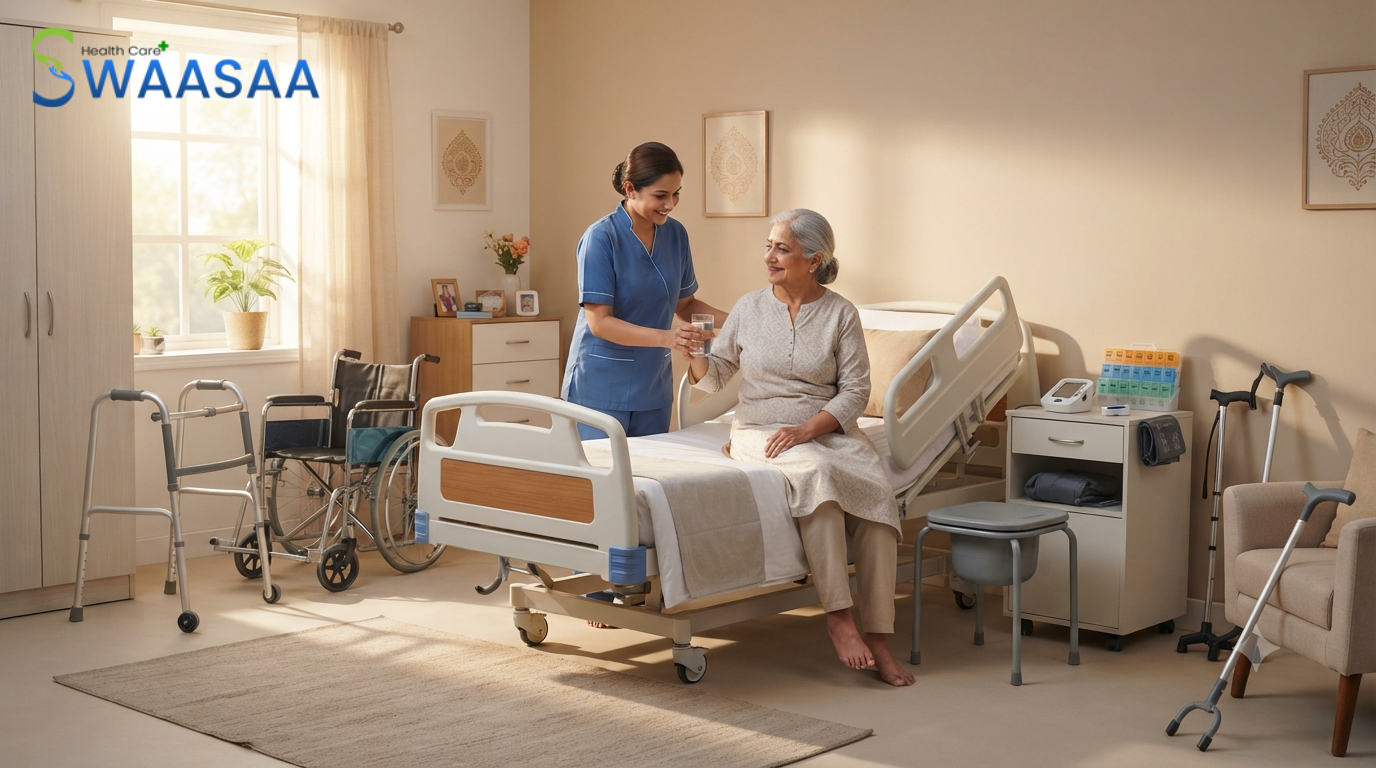
Various home healthcare equipment including wheelchair, walker, hospital bed, oxygen cylinders, and nebulizer machine.

Need quick care without a hospital rush? Fortunately, it is now possible to rent medical equipment for your home. With this option, patients can receive professional care and recover faster in the comfort of their own homes. From patient beds and wheelchairs to oxygen cylinders, ventilators, nebulizers, and walkers—these tools make home-based care easier and more efficient.

In fact, renting medical equipment allows you to keep track of your health, manage chronic conditions, and handle emergencies—all without frequent hospital visits. Below, we’ll explore some essential equipment, their usage, and how they benefit recovery at home.

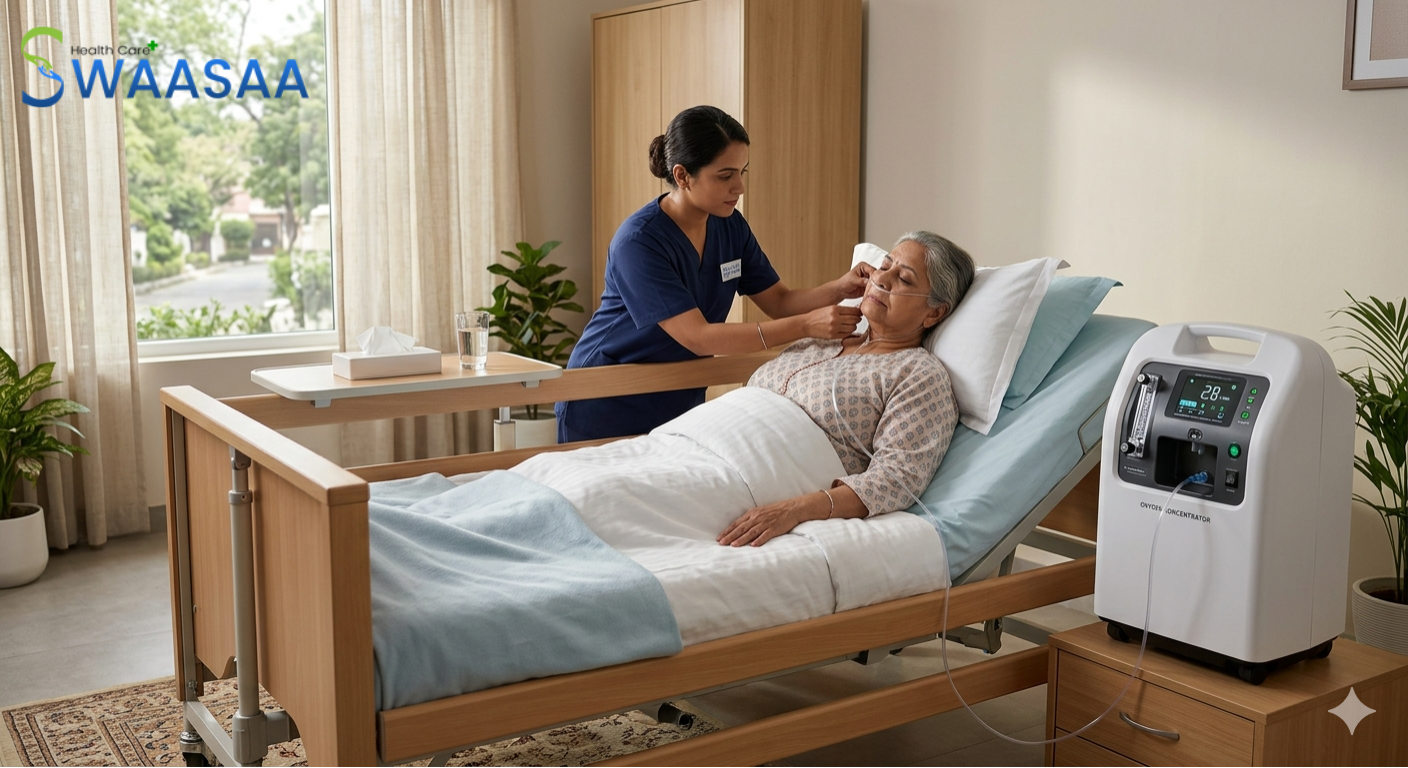
Oxygen cylinder:

It is a device that pulls in air, increases the oxygen level, and gives it to the patient to help them breathe more easily. As a result, it ensures the body gets the oxygen it needs to function properly and stay healthy.

Usage:

For critical situations, It is helpful during sudden breathing issues or low oxygen levels.

  • During Sleep:
    Some people use it to maintain proper oxygen levels.
  • Chronic illness:
    It helps people with chronic lung diseases live more comfortably.

Wheelchairs:

Wheelchairs help people with walking difficulties move around, whether due to injury, surgery, disability, or age-related concerns. Overall, having a wheelchair can bring comfort and safety.

Usage:

  • It helps people who can’t walk or move around safely.
  • This is helpful for people who are healing from surgery or an accident.
  • Supports older people who find walking hard.

Walkers:

Walkers and rollators are helpful for those people who feel weak while walking. Not only do they offer balance, but they also reduce fall risk.

Usage:

  • Help in balancing:
    Walkers give balance and reduce the risk of falling.
  • Used Indoors and Outdoors:
    They are easy to move around in the house or outside, like in the park or clinic.
  • Support While Walking:
    They help people who feel weak, unsteady, or are recovering from surgery walk safely.

Patient bed:

Renting a patient bed is an easy way to give them relaxation and comfort. Compared to a regular bed, these beds make it easier for patients to sit, rest and move. Whether they need this medical equipment for recovery after surgery or elder care, renting saves money and gives the proper support. It’s a safe and helpful choice for home care.

Usage:

  • Bedside support helps the person fall from the bed while resting or sleeping.
  • You can easily adjust the bed positions for better rest and comfort.
  • Making daily routine care easy, feeding and dressing.

Nebulizers:

It is also medical equipment that is helpful for people with breathing problems like asthma and COPD(Chronic Obstructive Pulmonary Disease). They work by converting liquid medicine into a vapour form that helps people breathe easily. It allows the medicine to go to your lungs and gives fast relief. A nebulizer at your home is essential, especially during breathing troubles, as it can help quickly and safely.

Usage :

  • During Colds and Infections:
    It helps to reduce mucus and chest tightness.
  • Asthma Relief:
    During an asthma attack, breathing is difficult, so a nebulizer helps to overcome this problem.

Patient Ventilator:

It helps patients who have breathing issues. Depending on the need, it helps move air in and out of the lungs. A ventilator is an artificial breath giver that assists the patient in getting proper oxygen and removing carbon dioxide.

Usage:

  • Breathing Support:
    People who can’t breathe properly on their own because of lung problems or breathing failure can use it.
  • Provides Oxygen:
    It gives the body the right amount of oxygen to stay healthy.
  • Comfort at Home:
    Patients stay in their homes while still getting the breathing help they need.

Conclusion:

Now that essential medical equipment is readily available, your home can also be a place of healing. Whether you need a wheelchair for safe movement, an oxygen cylinder for easier breathing, or a patient bed for comfortable rest, you can rent it and receive hospital-like care in your home.

Safe Medical Waste Disposal at Home: A Guide for Families and Caregivers

Caregiver disposing of medical waste at home using labeled containers for sharps, medicines, and biohazards with an elderly patient nearby.

Managing health at home, whether it’s caring for a loved one after surgery, managing a chronic illness, or even daily medication use, often raises an important question: how do we handle the medical waste we generate? From used syringes and dressings to expired medicines, safe medical waste disposal is essential to protect not just your family, but also the community and environment.

Why Medical Waste Needs Special Handling

Medical waste at home may seem harmless, but improper disposal can cause serious harm. Used needles, blood-stained bandages, or even unused pills can spread infection, injure sanitation workers, and pollute water or soil. When medical items are mixed with regular garbage, they pose risks far beyond your household.

This is why it’s important for families and caregivers to follow proper waste separation and disposal practices even at home. Doing so not only helps prevent accidents and contamination but also builds a culture of safety and responsibility.

Types of Medical Waste Found at Home

Understanding what qualifies as medical waste is the first step. Here are some common examples you may encounter during at-home care:

  • Used syringes, needles, or lancets (sharps)
  • Bandages, gauze, and cotton with blood or body fluids
  • Expired or unused medications
  • IV bags or tubing
  • Gloves, masks, and other PPE
  • Sanitary napkins or adult diapers (in some cases)

Each of these categories needs to be handled differently. Treating them all the same can create contamination risks and make disposal harder for municipal systems.

How to Dispose of Medical Waste Safely at Home

1. Use a Dedicated Sharps Container

Never throw used needles or lancets directly into household bins. Instead, use a hard plastic container (like a thick laundry detergent bottle) with a screw lid to collect them safely. Label it clearly as “Sharps” and seal it before handing it over to a pharmacy or local disposal center that accepts sharps.

2. Separate Contaminated Materials

Items like used bandages, gloves, or dressings should be sealed in leak-proof bags. If visibly soiled with blood or fluids, wrap them tightly and mark the bag before placing it in the waste bin. Some regions provide red or yellow bags specifically for biomedical waste check with your local health department.

3. Don’t Flush or Toss Expired Medications

Flushing medicines down the toilet or sink can contaminate water sources. Instead, take expired or leftover medications to a pharmacy collection program, medical camps, or community disposal drives. Some areas have secure drop boxes for pharmaceutical waste.

4. Use PPE When Handling Waste

Always wear gloves when disposing of any medical materials. Wash your hands thoroughly afterward, even if gloves were used. This helps minimize the risk of infection or cross-contamination, especially when caring for immunocompromised patients or elderly individuals.

Check Local Guidelines for Medical Waste Disposal

Regulations vary depending on your city or state. Some places offer medical waste pickup or designated drop-off points. It’s worth calling your local municipal office or healthcare provider to ask about available services. Many urban areas in India, for example, have introduced biomedical waste segregation systems for homes with patients undergoing treatment.

If you’re working with a home nursing service or caregiver, ask if they provide or recommend waste handling and removal support.

Final Thoughts: Protecting Health Begins with Responsible Disposal

Medical waste disposal is not just a healthcare issue it’s a human issue. By taking simple, consistent steps at home, you protect your family, sanitation workers, and the planet. Every properly disposed bandage or safely stored syringe reduces the risk of harm and shows that you care deeply and responsibly.

Whether you’re a caregiver, a patient, or someone managing home recovery, make disposal a part of your healing routine. Small actions create safer homes and healthier communities one safely sealed bag at a time. If you are someone who barely has time to take care of your loved ones as a professional you can always hir help. Make your life easy and smooth with caregivers.

Infection After Surgery: How to Spot the Signs Early and Protect Your Recovery

Nurse examining a patient’s surgical wound in a hospital room, highlighting post-surgery infection care.

Undergoing surgery can be both a relief and a source of stress. While it may fix a health problem, the recovery process needs just as much attention, especially when it comes to post-operative care. One of the most common complications patients face is an infection after surgery. It can delay healing, increase discomfort, and in some cases, become dangerous if left untreated. Understanding the early warning signs is key to a safe and smooth recovery journey.

Why Infections Happen After Surgery

Surgical procedures, regardless of their severity, involve breaking the skin and exposing internal tissues. This can allow bacteria to enter the body. While doctors take every precaution to maintain sterile environments, a patient’s immune response, existing medical conditions, or even improper wound care at home can increase the risk of infection.

Infections can occur in the wound site, internal organs, or even in areas like the urinary tract and lungs, especially if medical devices like catheters or ventilators are used during or after the operation.

Common Risk Factors Include:

  • Diabetes or other immune-compromising conditions
  • Smoking or poor nutrition
  • Obesity or being overweight
  • Long surgery durations
  • Improper wound cleaning at home

Recognizing the Signs of Infection After Surgery

Early detection is crucial. Often, people confuse normal healing symptoms like redness or mild swelling with something more serious. But knowing what to look out for can help catch problems before they escalate.

1. Unusual Redness or Swelling

Some inflammation is expected in the healing process, but if redness expands or swelling worsens over days instead of improving, it may be an indicator of infection.

2. Persistent Pain or Tenderness

A certain amount of pain is normal after surgery. However, if the pain increases rather than decreases, or feels hot and tender to the touch, it could mean something is wrong beneath the surface.

3. Discharge or Pus from the Wound

Clear fluid is common from surgical wounds initially, but yellow or green pus, or a foul-smelling discharge, is a sign of infection after surgery and must be taken seriously.

4. Fever or Chills

A fever, especially above 100.4°F (38°C), may indicate that the body is fighting an infection. Chills or night sweats are also red flags that shouldn’t be ignored.

5. Fatigue or Confusion

Severe tiredness, dizziness, or confusion could mean the infection is affecting the entire body, especially in elderly patients. This can become life-threatening if not addressed promptly.

Steps to Prevent Infection Post-Surgery

While not all infections are avoidable, many can be prevented through proactive care and hygiene. Here’s what you can do:

  • Follow your doctor’s post-op instructions carefully
  • Clean the surgical site with sterile products only
  • Keep the area dry and covered unless advised otherwise
  • Wash hands before touching the wound or dressing
  • Avoid smoking, alcohol, and heavy physical activity

If you’re being cared for at home, consider hiring a professional nurse or caregiver to help with wound dressing, monitoring vital signs, and ensuring medications are taken on time.

When to Call Your Doctor

If you notice any of the signs of infection after surgery mentioned above like increased redness, discharge, high fever, or sudden weakness don’t wait. Contact your healthcare provider immediately. Acting early can prevent complications like abscesses, delayed healing, or even sepsis.

It’s always better to check and be wrong than to wait and risk worsening the situation. Your doctor may recommend blood tests, wound cultures, or imaging to determine the cause and begin treatment such as antibiotics or drainage procedures.

Final Thoughts: Healing Happens with Awareness

Recovering from surgery is more than just resting it’s about staying alert and informed. Knowing the possible risks of an infection after surgery and being able to spot early symptoms ensures that you or your loved one can heal safely and confidently at home.

Trust your body, listen to it, and never hesitate to seek professional help when something doesn’t feel right. With a little caution and the right care, recovery can be smooth, empowering, and complication-free.

Cardiac Arrest vs Heart Attack? What You Need to Know

Person holding their chest because of pain, which could be a sign of a heart problem - highlighting the need to understand the difference between cardiac arrest vs heart attack.

Every second counts when it comes to a heart emergency. Yet, many don’t know about Cardiac Arrest vs Heart Attack. Both are serious, but they are not the same.

Let’s understand this better:

Heart Attack: What Does It Mean?

A heart problems symptoms happens when there is no flow of blood to the heart of a person. This is usually because something is blocking the blood flow, like a clot or fat in the blood vessels. When there is not enough blood reaching to heart, it gets damaged. The person is usually awake and may feel chest pain tightness or pressure. It is important to get the help right away to stop more damage.

Signs or Symptoms of a Heart Attack:-

  • Heaviness or discomfort in the chest- You may feel a tightness or pressure in your chest, as if a heavy object rested on it.
  • Back pain, neck pain, and arm pain-Pain from a heart attack doesn’t stay in the chest. It may spread to your neck, back, and arms. You might not feel well at that time
  • Shortness of breath-It can suddenly become hard to breathe, even while resting.
  • Feeling dizzy: You may suddenly feel weak, or as if you might fall or pass out.

Cardiac Arrest: What Does It Mean?

Cardiac arrest happens when a heart of person stops responding. Because there is no flow of blood to the brain and body, the person may faint, stop breathing, and not respond at all. It happens very quickly and is very serious. If no help is given right away, it can be life-threatening.

Signs or Symptoms of Cardiac Arrest:-

  • Sudden Collapse- The person may fall down suddenly and become unresponsive.
  • Chest Pain Before Collapse – In some cases, there might be chest discomfort or pain right before collapsing.
  • Heartbeat Stops– The heart stops working during cardiac arrest, so there’s no heartbeat.
  • Skin or Lips Turn Blue – When the heart stops, then oxygen also stops reaching the body. This makes the person’s lips, fingertips, or skin look blue. It’s a clear signal that the body lacks proper oxygen supply

Cardiac arrest vs Heart attack

  • Heart attack: Blood can’t reach the heart because some blood clots are blocking the way.
  • Cardiac arrest: The heart suddenly stops beating.
  • Heart attack: Chest pain, suffocation, dizziness, pain in the arm, and back.
  • Cardiac arrest: The system that controls the heartbeat fails suddenly.
  • Heart attack: When a blood vessel to the heart gets blocked, it can cause a heart attack.

How to Lower the Risk Through Homecare

While not all heart emergencies can be prevented, good care at home can lower the risk of both heart attacks and cardiac arrest. Here are various things to follow:

  • Eat healthy food
  • Stay active
  • Avoid smoking and limit alcohol
  • Manage stress

Homecare Support Can Help

With a trained nurse at home, you can get support like

  • Monitor your vital signs regularly
  • Help with medication and diet
  • Encourage daily movement and exercise
  • Offer emotional support and stress relief

Conclusion:

Knowing the cardiac arrest vs heart attack can save lives. Both are dangerous heart problems that need fast action and attention. By understanding the symptoms, home health care services , and getting regular checkups, you can lower your risk.

With  support from trained caregivers or nurses at home, you or your loved ones can get the right care, comfort, and early help when it’s needed the most.

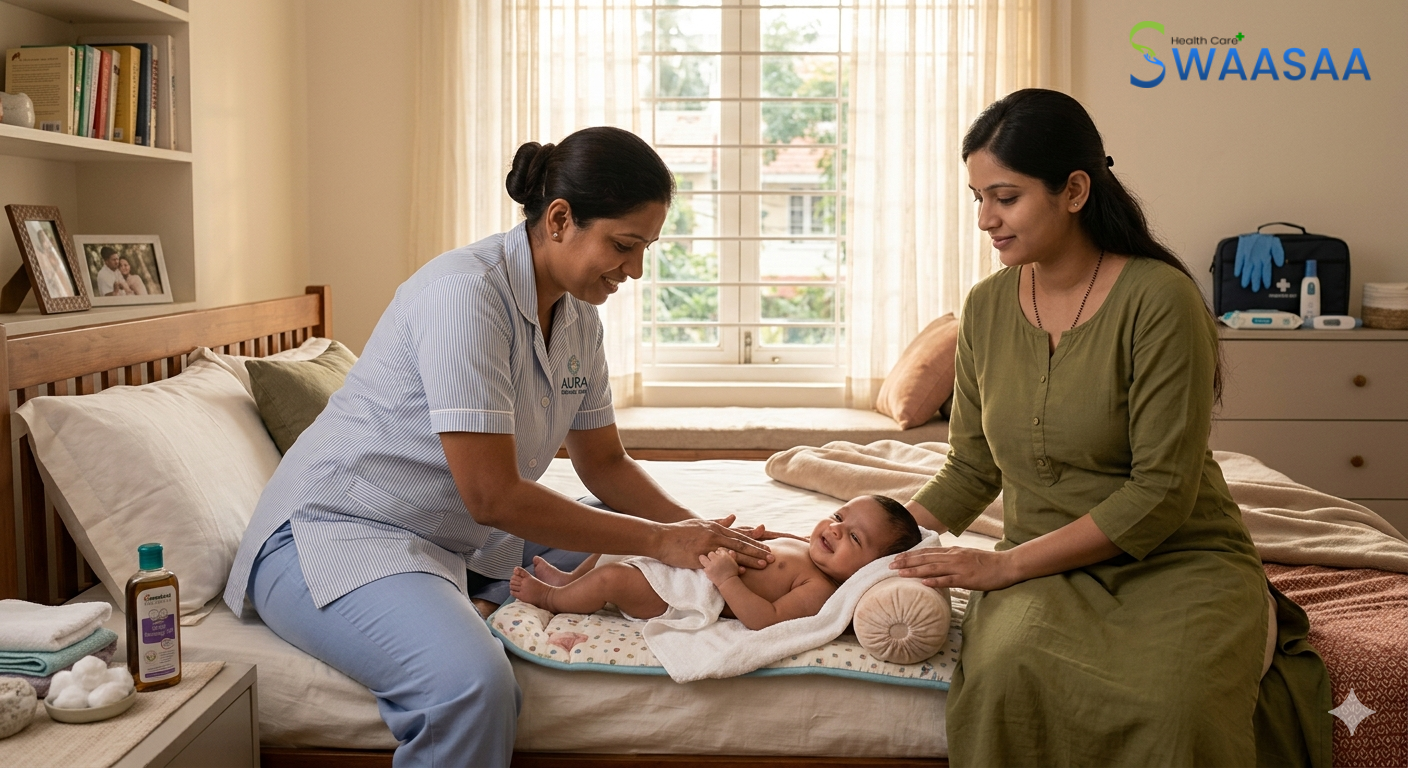
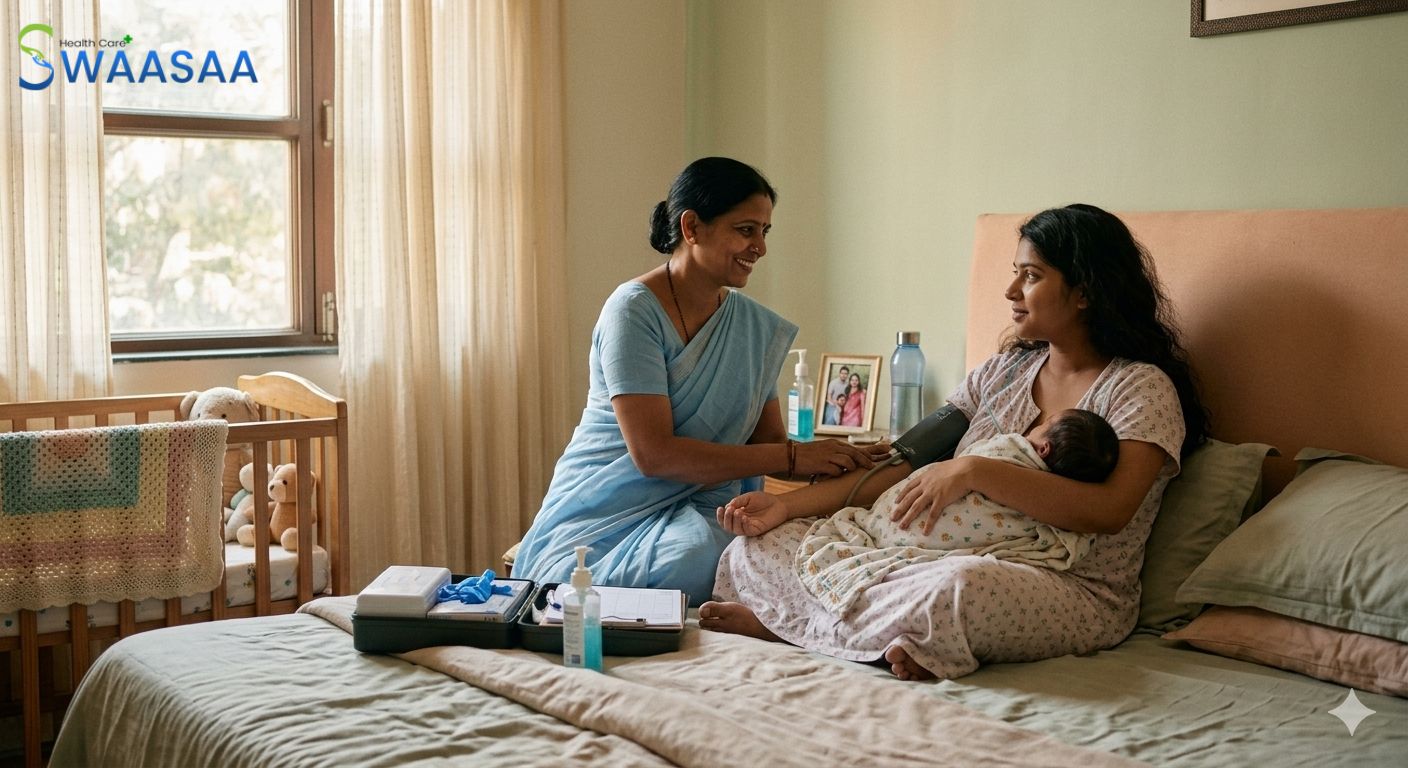
Postnatal Care at Home: Essential Support for New Mothers and Newborns

Nurse providing postnatal care to a new mother holding her baby at home

Welcoming a baby into the world is one of life’s most beautiful moments, but it’s also a time of massive physical, emotional, and mental change for new mothers. The post-delivery period can be overwhelming between late-night feedings, adjusting to newborn routines, and healing from childbirth. That’s why more families are turning to postnatal care at home, a supportive and comforting way to ensure both mother and baby get the care they deserve in a familiar, loving environment.

Healing and Comfort Through At-Home Recovery After Childbirth

After giving birth, a woman’s body goes through intense changes, pain, fatigue, hormonal shifts, and sometimes even complications. This is not just a time for rest but for guided recovery. While hospitals may handle the initial few days, true healing often happens at home.

That’s where home care for new mothers becomes invaluable. Having a trained nurse or caregiver visit your home ensures the mother is physically healing and emotionally supported. From monitoring stitches and C-section wounds to helping with breastfeeding and newborn care, these professionals act as both medical support and emotional anchors during an incredibly delicate time.

Personalized Home Nursing Support for New Moms

One of the most significant benefits of postnatal services at home is the undivided attention the mother receives. Unlike hospitals, where nurses juggle multiple patients, a home nurse focuses solely on one family. This one-on-one attention means that care is tailored to the mother’s needs.

New mothers often struggle with breastfeeding, sleep schedules, and anxiety. A maternal care specialist helps with:

  • Lactation support
  • Baby hygiene and feeding routines
  • Pain management and recovery tracking
  • Emotional reassurance
  • Education for first-time parents

This isn’t just medical care. It’s compassionate companionship when mothers need it the most.

Empowering New Mothers with Confidence

In India, especially in urban areas, many nuclear families may not have older women in the house to guide and assist after delivery. In such cases, professional at-home post-delivery care fills that gap beautifully.

It’s not uncommon for mothers to question themselves: Am I doing this right? Why am I so tired? Is my baby feeding enough? With a professional by your side, these doubts slowly melt away.

Caregivers help new mothers build confidence by:

  • Teaching proper baby-handling techniques
  • Offering tips for postnatal nutrition
  • Creating structured daily routines
  • Being there to talk through fears and frustrations

This kind of support helps reduce the risk of postpartum depression and builds emotional resilience.

When Should You Consider Home-Based Maternal Care?

Not every new mother will have a smooth recovery. It is beneficial in situations such as:

  • C-section or complicated delivery recovery
  • First-time motherhood
  • Lack of family support
  • Premature baby or special care needs
  • Breastfeeding difficulties
  • Postpartum anxiety or depression symptoms

In these cases, having professional support at home can make the difference between struggling silently and healing confidently.

You can choose between part-time visits or 24/7 live-in support during the early days. The care plan can be customized depending on your needs, comfort, and health goals. Check out time slots and services.

Final Thoughts: Why Postnatal Care at Home Matters More Than Ever

Motherhood is a journey full of happiness and requires strength, calmness, and care. Sadly, in the excitement of the new baby, a mother’s well-being often gets overlooked. Postnatal care at home brings the focus back where it belongs on the mother’s recovery and emotional health.

You give the mother the gift of time, care, and rest by choosing at-home postnatal services. You’re also creating a calmer environment for the baby to grow, bond, and thrive. Whether you are a new mom, a spouse, or a family member, know that the support you choose now will shape the future health and happiness of both mother and child.

Healing doesn’t have to happen alone. Let it happen gently, lovingly at home.

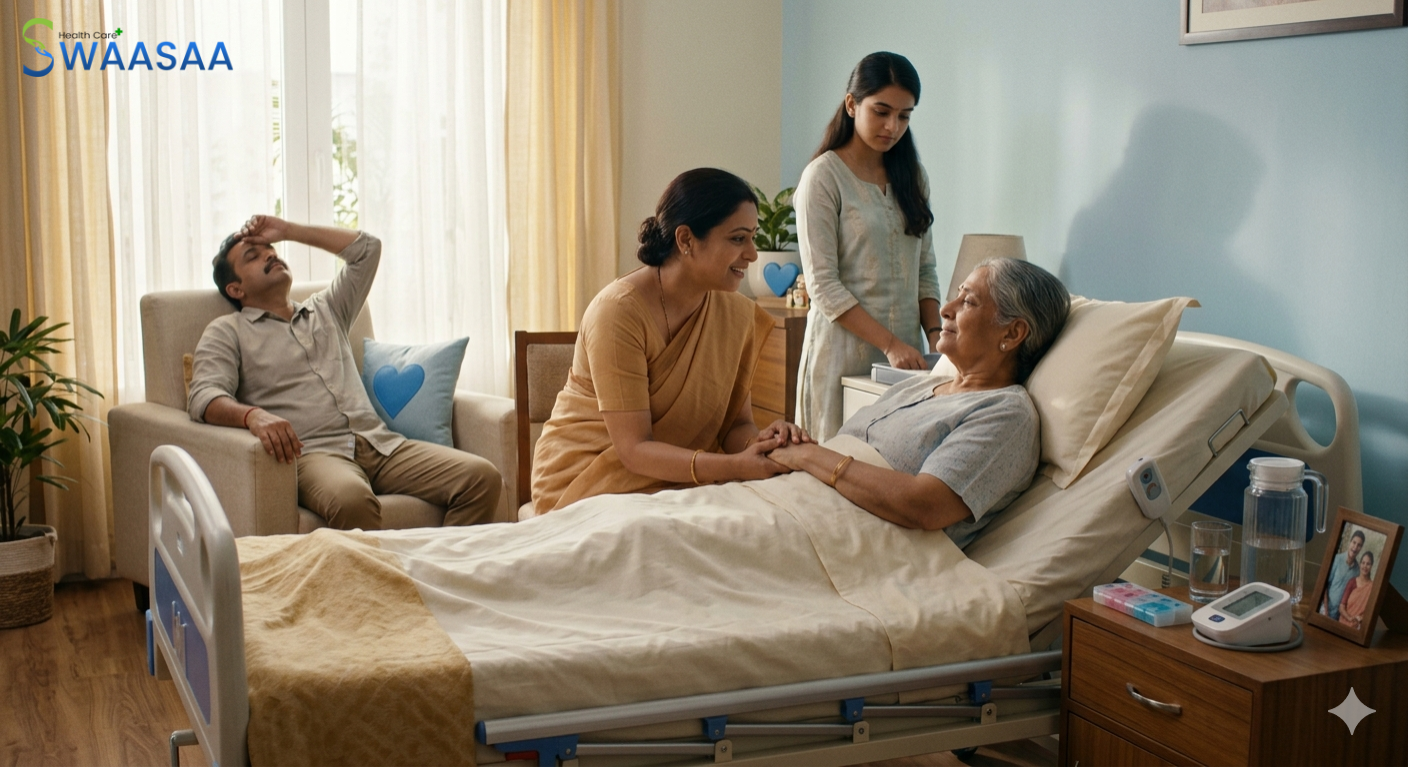
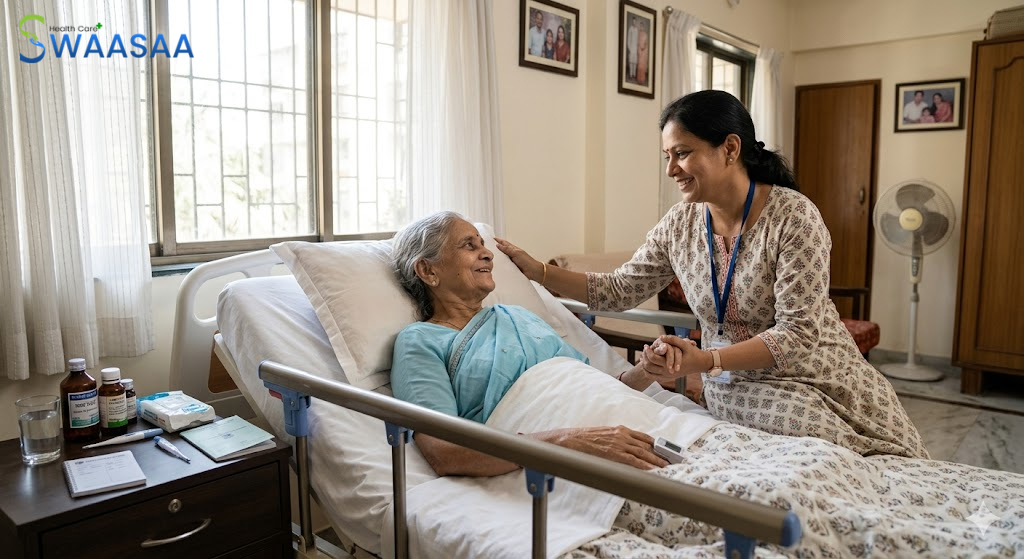
Elderly Care Tips at Home

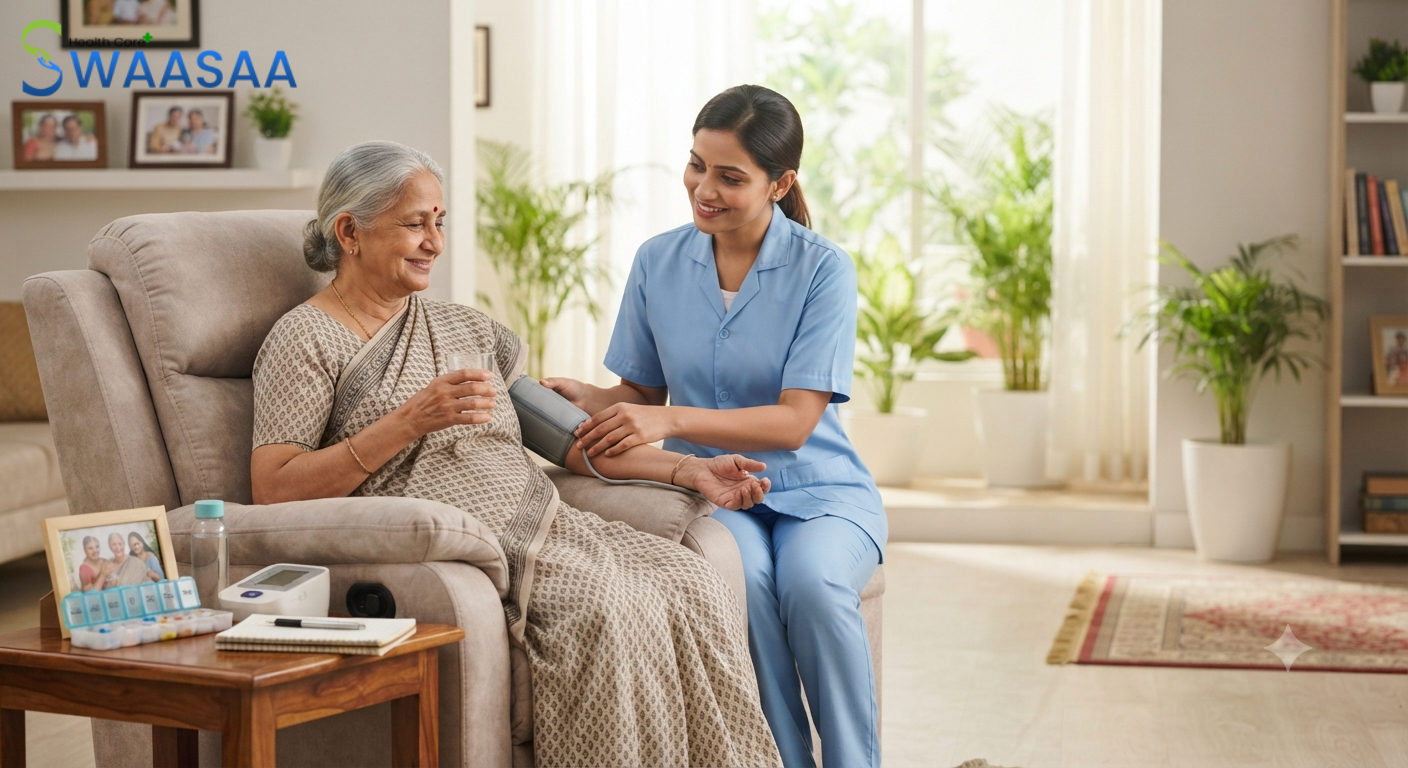
elder care services for home

Elderly care is essential because it helps older people live comfortably and safely. In our family, some elders face health issues like diabetes, high blood pressure, Mobility problems, and heart diseases. Older adults hold a very special place in our family, and it’s our responsibility to take care of them.

Here, we have listed some tips that will help in elderly care for your family, and they can be used by any of your family members, caregivers, and friends:

Keep them active:

Older people commonly face movement issues like stiff joints and chronic diseases like arthritis, which make movement uncomfortable. So, to keep them active, encourage them to do regular exercises like chair exercises and yoga. It will help older adults to be physically active.

Some simple exercises for seniors:

  • Toe Taps: Sit on a chair, keep heels down, and lift your toes to boost blood flow and muscle movement.
  • Neck Stretch: Sit comfortably, relax your hands, and gently rotate your neck side to side until you feel a light stretch.

Keep Their Minds Active:

Keeping the body healthy is essential, but the mind needs care too. When our elders stay mentally active and emotionally connected, they feel happier and less lonely.

We can encourage them by:

  • Having Daily Conversations: Talking regularly helps elders feel connected and emotionally supported.
  • Watching Light-hearted or Comedy Shows: Light entertainment lifts their mood and reduces stress.
  • Outdoor Activities: Fresh air and gentle movement improve mental and physical well-being.
  • Read Books or Listen to Spiritual Talks: Encourages calmness, reflection, and mental engagement.

Elderly Care Daily Routine Plan:

Older people feel more comfortable when their day follows a regular pattern.

You can include:

  • Fixed wake-up and bedtime: A regular sleep schedule supports overall health and stability in elderly care.
  • Set meal and snack times: Timely meals help with digestion and avoid confusion.
  • Time for exercise or a walk: Light movement keeps the body active and boosts mood.
  • Prayer or relaxation time: Quiet time brings peace and mental balance.

Creating a routine is a key part of elderly care that helps reduce confusion and provides structure. A caregiver can gently guide you through the day.

Manage Medicines Properly:

Managing medicines is a significant responsibility in elderly care. They often take several medicines a day, and missing a dose or taking the wrong one can be harmful. That’s why proper family or home healthcare services —support are so important.

How to manage it well:

  • Use a weekly pill organiser: It helps keep track of daily doses.
  • Set reminders for medicines: Make sure medicines are taken on time.
  • Hire caregivers or home healthcare professionals: They can monitor medications safely and provide timely support.

Regular Health Checkups at Home:

With elderly care services at home, there’s no need to travel for routine medical checkups.

Common checkups include:

  • Check BP and sugar levels: Monitors common health issues in elderly care.
  • Track oxygen and pulse: Keep vital signs under watch.
  • Doctor consultations at home: Reduces the need to travel.
  • Offer physiotherapy at home if needed: Aids in recovery and strength.
  • Follow-up post-treatment: Supports faster healing at home.

Encourage Social Connection:

Loneliness can affect both mood and health. That’s why elderly care also includes helping seniors stay socially connected.

Easy ways to stay connected:

  • Phone/video calls with family: Keeps emotional bonds strong.
  • Join online satsangs/groups :This builds a feeling of belonging.
  • Group calls with old friends: Bring back happy memories.
  • Host home visits: Adds joy through social interaction.
  • Include them in family events: This makes them feel loved and included.

Support with Daily Activities:

A big part of elderly care includes helping with everyday tasks like bathing, dressing, and eating. Support them kindly and allow them to do whatever they are interested in.

You Can:

  • Help with dressing
  • Support with walking or movement

CONCLUSION

Looking after our elders is one of the most meaningful and valuable responsibilities we have. Keeping them active, listening to their stories, sitting with them for a cup of tea, and making them feel heard brings them joy and comfort. After all, they’ve spent their lives caring for us; now it’s our turn to make their days easier, happier, and full of warmth right at home.