--- Shukrana Guru Ji 🙏 ---

How to Protect an Elder Patient’s with Weak Immune System

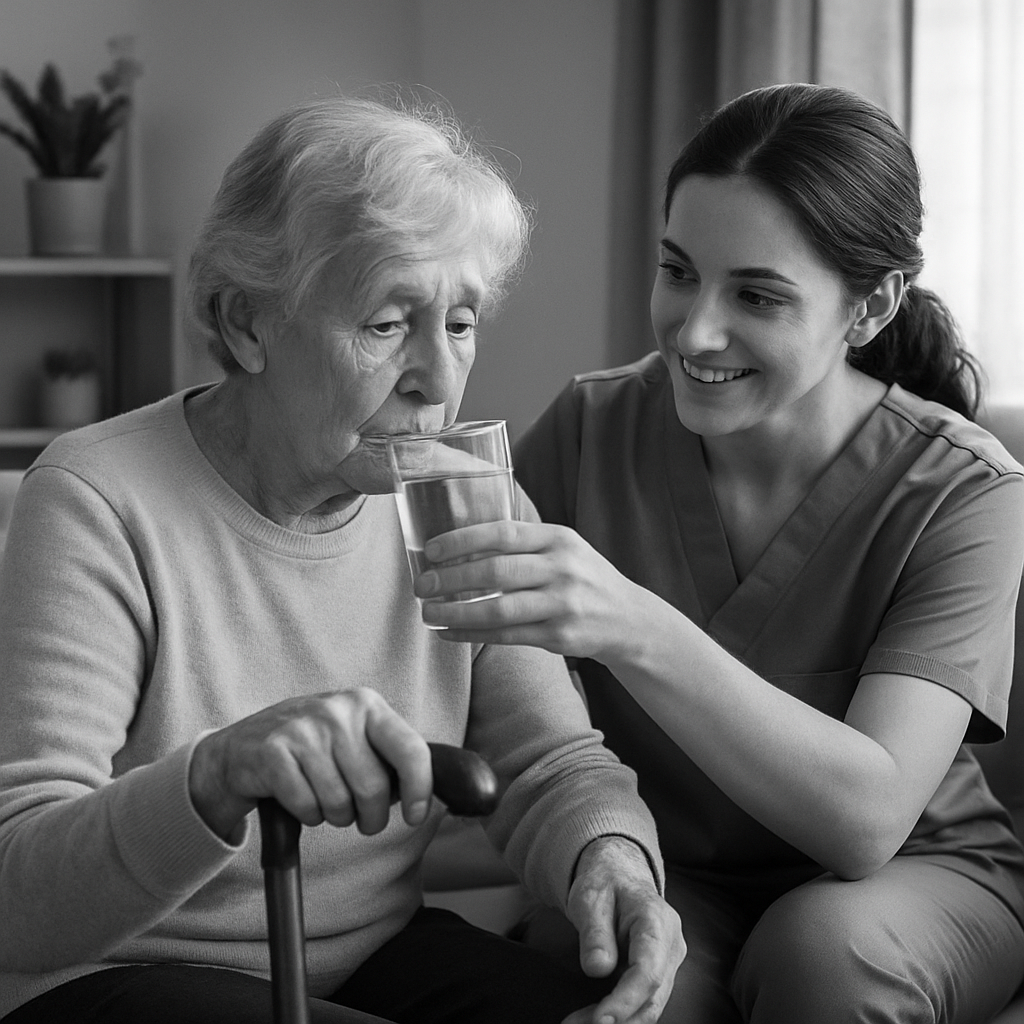
Caregiver supporting an elderly patient at home with hygiene assistance, symbolizing protection for those with weak immune systems.

Caring for an elderly loved one whose immune defenses are weak can feel like walking a tightrope. On one hand you want them to live life, stay connected, and maintain dignity; on the other hand you fear that a simple infection could cascade into serious illness. Older adults with weak immunity are at higher risk not just from common colds or flu, but from complications of infections, slower healing, and hidden conditions like heart disease that may go unnoticed until it’s too late.

Early detection of health issues for example, spotting the first signs of heart problems can make the difference between life and emergency. That’s why combining Medical Care for Patients with attentive home observation and professional support is so crucial. In this blog, I will guide you through causes, preventive strategies, caregiver roles, warning signs to watch, and practical tips to strengthen immune protection around your loved one.

Why Older Adults Often Have Low Immunity: Causes & Risk Factors

As people age, the immune system undergoes changes that make it less efficient. Scientists call this process immunosenescence.Here are key causes and risk factors:

1) Aging and immunosenescence

  • The production of new immune cells (especially T cells) slows, reducing the body’s ability to respond to new infections.
  • The innate immune system (the first-line, non-specific system) becomes more “on edge,” with a tendency for low-grade inflammation (“inflammaging”) that can damage tissues over time.
  • Vaccine responses tend to be weaker in older adults because of this decline.

2) Chronic illnesses and comorbidities

Conditions such as diabetes, chronic kidney disease, chronic lung disease, and autoimmune disorders can suppress immunity or require treatments (like steroids) that reduce immune activity.

3) Recovery from surgery or hospitalization

The period after surgery, prolonged bed rest, or hospital stay often weakens immune resilience due to stress, wound healing burden, nutritional deficits, and possible exposure to hospital-based pathogens.

4) Malnutrition and micronutrient deficiencies

Older adults may eat less, have poor appetite, dental problems, or digestive issues, leading to deficiencies of vitamins and trace minerals essential for immune health (e.g. zinc, vitamin D, vitamin C, selenium)

5) Medications and treatments

Some medicines (e.g. immunosuppressants, chemotherapy, prolonged steroids) reduce immune system strength.

6) Lifestyle factors and stress

Poor sleep, chronic stress, inactivity, smoking, dehydration, and social isolation all weaken immune defenses.

Because of these overlapping factors, elders often cannot rely on immunity the way younger people do. That’s why Home Healthcare Support with preventive measures becomes essential.

The Role of Medical Care for Patient at Home: Prevention, Monitoring & Action

Strong immune protection for an elderly patient doesn’t happen by chance it is built through consistent, thoughtful medical care at home. Here are key components:

1. Hygiene & infection prevention

  • Frequent hand washing for both patient and caregiver (at least 20 seconds with soap) is basic but powerful.
  • Use alcohol-based hand sanitizer when soap isn’t available.
  • Clean and disinfect frequently touched surfaces (door handles, railings, bedside tables) daily.
  • Use masks and protective gear if the patient is in close contact with someone with respiratory symptoms.
  • When caring for wounds, follow strict sterile dressing and wound care protocol to prevent local infections.

2. Balanced nutrition & hydration

  • Ensure daily meals include protein-rich foods (eggs, legumes, lean meat, dairy), fresh vegetables, fruits, whole grains.
  • Add immune-supporting nutrients: vitamin D, zinc, vitamin C, selenium. 
  • Monitor for appetite loss, difficulty swallowing, or weight loss, and adjust meal plans or supplements accordingly.
  • Encourage 6–8 glasses of liquids (water, soups, herbal teas) unless medically restricted.

3. Adequate rest & sleep

Poor sleep reduces immune responses. Encourage a regular sleep schedule, 7–8 hours or more if needed, and reduce disturbances (light, noise). 

4. Gentle physical activity

Even light movement (bed exercises, stretching, short walks) helps boost circulation and immune cell function.

5. Stress and emotional care

Chronic stress and negative emotions flood the body with stress hormones (like cortisol) which suppress immune responses. Encourage relaxation, social connection (even by phone/video), simple meditation, or listening to music.

6. Vaccinations & medical supervision

  • Keep the patient up to date with recommended vaccines: flu, pneumonia (pneumococcal), COVID (if applicable), shingles, etc.
  • Ensure regular medical checkups to monitor chronic conditions (hypertension, diabetes, heart disease) that impact immunity.
  • If any infection-like symptoms arise (fever, cough, urinary issues), promptly contact a physician to avoid complications.

7. Monitoring & early alert system

  • Keep a daily log of vital signs (temperature, pulse, blood pressure, oxygen levels if available).
  • Note any unusual fatigue, loss of appetite, sudden weight changes, or confusion.
  • A quick response to early signs of infection or internal stress can prevent escalation.

In sum, Medical Care for Patients at home is your first line of defence, a daily, intentional effort rather than occasional checkups.

How Professional Patient Care Taker Services & Nursing Services Help

While family care is very valuable, professional support takes home care to a higher standard. Here’s how:

  • Skilled clinical assessment and care: Home nurses can check vital signs, administer injections, manage IV lines or wound care, and recognize early changes that might escape untrained eyes.
  • Strict infection control: Professionals are trained in sterilization, isolation protocols, and reducing cross-contamination risks in the home.
  • Medication management: They ensure timely dosage, observe side effects, review interactions, and prevent missed or duplicate doses.
  • Rehabilitation and guided therapy: Many nurse or caregiver services offer physiotherapy, mobility support, training in exercises, fall prevention, etc.
  • Education and support for family: Care taker services train family members on safe handling, hygiene, nutrition, and observation of signs so everyone works consistently.
  • 24/7 availability: In high-risk patients, having a service available day and night gives peace of mind and faster response in emergencies.
  • Maintaining a clean, infection-free environment: From regular deep cleaning and air filtration to proper disposal of waste and linens, these services reduce pathogen loads in the home.

If you can combine Home Healthcare Support with Patient Care Taker Services or Nursing Services, you raise the level of protection significantly. Many families find this combined approach to be the gold standard for fragile patients.

Recognizing the Early Sign of Heart Problem in Patients with Weak Immunity

We must not forget: weak immune defenses do not protect against hidden organ stress. In elderly patients, heart problems may silently worsen. Because their immune system is weak, an infection or inflammatory trigger can exacerbate cardiovascular risk. Continuous monitoring is therefore crucial.

Here are early warning signs (which may be subtle) to watch for in such patients:

  • Chest discomfort, heaviness or tightness (may radiate to arm, jaw, back)
  • Shortness of breath, especially on minimal exertion or lying flat
  • Swelling (edema) in legs, ankles, feet
  • Persistent fatigue or unexplained weakness
  • Palpitations, irregular or fast heartbeat
  • Coughing, wheezing or difficulty breathing (fluid in lungs)
  • Sudden lightheadedness, dizziness, nausea, sweating

Because some older adults feel none of the typical chest pain, these non-specific signs must raise concern. 

If any of these appear, immediate medical evaluation is needed, delaying could lead to heart attack or heart failure.

In the context of immunocompromised elders, vigilance is even more important. A slight change in breathing or swelling could be due to infection, fluid overload, or cardiac stress, so they require prompt assessment.

Practical Tips & Actionable Steps

Here are concrete, easy-to-follow strategies to reduce risk and bolster immunity:

A. Nutritional Support for Immune Health

  • Use small frequent meals if full meals are difficult.
  • Add broths, nutrient-dense soups, smoothies with protein powder or milk.
  • Include foods rich in:
    1. Vitamin C: citrus fruits, bell peppers, strawberries
    2. Vitamin D: fortified foods, safe sun exposure or supplements if deficient
    3. Zinc & selenium: nuts, seeds, legumes, seafood
    4. Protein: eggs, lentils, beans, lean meat, dairy
  • Consult a doctor before giving supplements in absence of deficiency, large doses may not help and sometimes cause harm.

B. Safe Interaction Guidelines for Visitors

  • Screen visitors: anyone with cold, flu, cough, fever should avoid visiting.
  • Wear masks, especially indoors, and encourage hand hygiene before entering.
  • Keep visits brief at first, avoid crowded or enclosed settings.
  • Maintain distance as needed, and ventilate rooms (open windows, use air purifiers) to dilute airborne pathogens.
  • Limit multiple visitors at once; schedule one or two trusted ones to reduce exposure.

C. Importance of Vaccinations & Medical Supervision

  • Ensure the patient is current with influenza, pneumococcal, COVID-19, and other recommended vaccines.
  • Before each season, consult a doctor about booster shots or antibody therapies.
  • Monitor laboratory markers (CBC, inflammatory markers, kidney/liver function) as advised.
  • If signs of infection arise (fever, cough, urinary symptoms, sudden fatigue), don’t wait call a doctor immediately.

D. Daily Routines & Environmental Tips

  • Sunlight: allow safe sun exposure (10–15 min) for vitamin D production.
  • Ventilation: air rooms and use HEPA filters or air purifiers if possible.
  • Avoid overcrowding: no large gatherings around the patient.
  • Disinfection: frequently sanitize high-touch surfaces.
  • Rest: encourage naps and avoid overexertion.
  • Emotional health: keep them socially connected, engaged, and mentally stimulated.

Conclusion: Compassionate Care & the Role of Reliable Services

Caring for an elderly patient with weak immunity is both a challenge and a calling. While there is no foolproof barrier to every infection or complication, combining vigilant Medical Care for Patient, smart lifestyle measures, and the support of Patient Care Taker Services and Nursing Services greatly raises the odds of safety, comfort, and dignity.

Your loving attention — early detection, daily logs, prompt responses — matters deeply. And when you bring in professional help, you relieve family stress, increase medical safety, and improve the patient’s quality of life.

If your loved one is recovering or living in Haryana, Punjab, Mumbai or Delhi and you need home care services, home nursing, or old age care taker support, contact us at Swaasaa Healthcare. Together, we can build a safe, healing environment for those you cherish most.

Why Nurse for Home Service Is the Backbone of Quality Healthcare

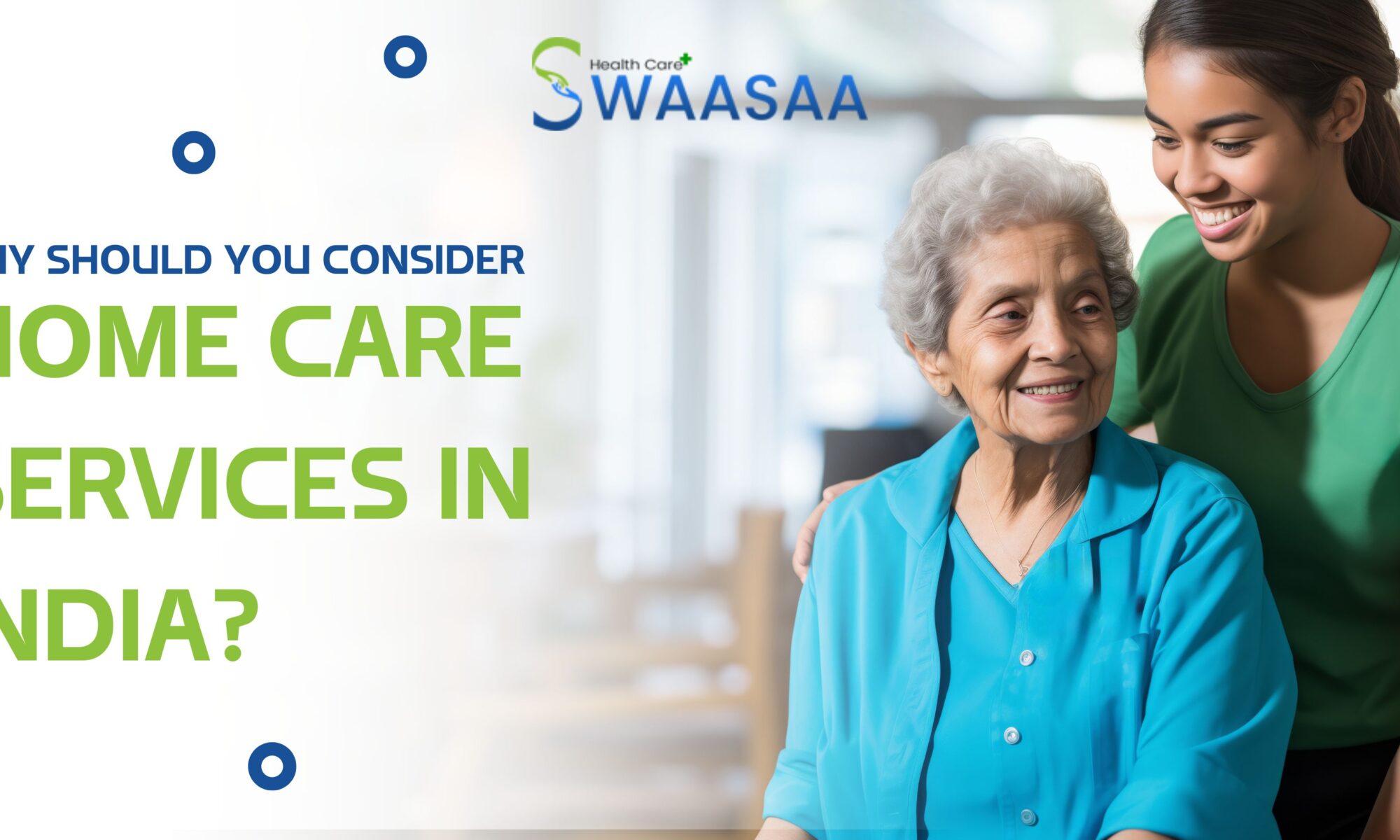
Caregiver providing compassionate support to an elderly patient at home

When a loved one is unwell, the atmosphere at home changes. Every smile carries hesitation, and every conversation holds worry. In such moments, having a nurse for home service brings not just medical help but also emotional comfort. Nurses at home become more than professionals; they are silent caregivers, trusted companions, and a source of peace for families.

The Comfort of Care in Familiar Surroundings

One of the biggest advantages of home healthcare services is the emotional relief it provides. Patients feel better when they are surrounded by loved ones in a familiar environment. Recovery often happens faster in the comfort of one’s own bed.

Families often struggle with tasks like managing medicines, wound care, or post-surgery recovery. This is where a nursing assistant for home care plays an important role. They are trained to give injections, monitor vital signs, manage pain, and provide daily support—all while keeping patients emotionally strong. Simply put, it is care that feels like family.

More Than Medical Assistance: A Human Touch

In-home nursing is not just about treatment. It requires patience, kindness, and empathy. Many patients are elderly, recovering after surgery, or living with long-term health conditions. In such cases, families often choose to hire nurse for home because they bring both medical expertise and emotional reassurance.

Many families share how a home nurse became a companion to their aging parents or gave them strength during a difficult diagnosis. This personal connection is something hospitals often cannot provide.

Why Families Are Choosing Nurses at Home Over Hospitals

Healthcare is changing, and more families are choosing nurses for home service instead of long hospital stays. Here’s why this shift is happening:

  • Peace of mind: A trained caregiver is always by your loved one’s side.
  • Personalized care: Every patient is different, so care plans are adjusted to individual needs.
  • Faster recovery: Studies show patients heal quicker in familiar surroundings.
  • Less stress for family: Instead of frequent hospital visits, families can focus on emotional support.

This makes home care a trusted choice for those who want comfort and professional care at the same time.

The Role of Home Nurses in Long-Term Recovery

Whether it’s recovery after surgery or managing conditions like Alzheimer’s, Parkinson’s, or stroke, home healthcare services play a vital role. Nurses act as a bridge between doctors and family members, making sure medical care for patients is followed properly.

The consistent presence of a home nurse provides stability, which hospital shifts cannot match. Regular monitoring, emotional support, and one-on-one attention make long-term recovery smoother and more effective.

Final Thoughts: The Quiet Heroes in Every Home

Behind every recovery story at home, there is often a nurse who made it possible. Their daily routine may include checking vitals, giving medicines, comforting patients, or simply being there when someone needs silent support.

In today’s busy world, nurses at home bring back something truly human compassion, presence, and dignity in care. Choosing a nurse for home service is not just about convenience; it’s about giving your loved ones respect, peace, and a more meaningful healing journey.

If you need any nurse for home care in Punjab, Mumbai, Delhi, or Haryana, contact Swaasaa for trusted and professional support.

Why Should You Consider Home Care Services in India?

Home Care Services in India

In today’s fast-paced world, balancing work, family, and health can often feel overwhelming. Whether it’s caring for a newborn, looking after elderly parents, or managing medical care for a patient at home, families are increasingly seeking professional support. This is where home care services come in offering compassionate, reliable, and specialized care right at your doorstep.

From Baby Care Taker for Home in Delhi to Medical Care for Patients in Punjab, home-based healthcare is transforming how Indian families manage health and well-being. But why should you consider home care services? Let’s explore.

1. What Are Home Care Services?

Home care services provide professional medical and non-medical assistance at home. These services can include:

  • Home care nursing services – Skilled nurses offering wound care, injections, medication management, or monitoring chronic conditions.
  • Baby care at home – Specialized attendants trained in newborn and postnatal care.
  • Elderly care at home – Compassionate caregivers assisting senior citizens with daily activities, mobility, and companionship.
  • Home health nursing – Ongoing support for patients with chronic or acute health conditions.

This model ensures that individuals receive hospital-quality care without leaving the comfort of home.

2. Why Families in India Prefer Home Care Services

A) Convenience and Comfort

Traveling back and forth to hospitals can be tiring, especially for the elderly, new mothers, or recovering patients. Home care allows people to heal in a familiar environment.

B) Personalized Attention

Unlike busy hospitals, home care ensures one-on-one attention, where the caregiver focuses entirely on the patient’s needs.

C) Cost-Effective Alternative

Extended hospital stays can be expensive. Home care reduces hospital visits and unnecessary admissions, making it a cost-effective option.

D) Emotional Support

Being surrounded by family during recovery reduces stress and anxiety, leading to faster healing.

3. Baby Care Taker for Home in Delhi

The first few months with a newborn are exciting but also physically and emotionally demanding. Professional baby caretakers at home offer:

  • Assistance with feeding and bathing.
  • Guidance on postnatal nursing care for mothers.
  • Monitoring the baby’s sleep and hygiene.
  • Support for working parents balancing office and childcare.

This service is especially valuable for nuclear families in urban cities like Delhi, where extended family support may not always be available.

4. Home Care for Elderly Parents in Delhi

Caring for aging parents is a responsibility filled with love—but it can also be challenging without professional help. With trained caregivers, families in Delhi can ensure their parents:

  • Get assistance with daily activities like bathing, dressing, and meals.
  • Receive help with mobility, physiotherapy exercises, or medication reminders.
  • Have companionship that reduces loneliness and depression among seniors.
  • Access home health nursing for chronic conditions like diabetes, hypertension, or arthritis.

This allows children to balance their professional commitments while ensuring their parents are well looked after.

5. Medical Care for Patient in Punjab

For families with patients recovering from surgery, accidents, or long-term illnesses, medical care at home in Punjab is becoming a reliable option. Services typically include:

  • Skilled home care nursing services for wound dressing, injections, and IV administration.
  • Monitoring vital signs for patients with heart disease, diabetes, or respiratory issues.
  • Post-operative care, reducing the need for long hospital stays.
  • Palliative and end-of-life care for terminally ill patients, ensuring dignity and comfort.

This localized care not only reduces hospital congestion but also provides a sense of security to patients and their families.

6. Practical Tips When Choosing Home Care Services

Before hiring a provider, keep these points in mind:

  1. Check Credentials – Ensure the agency provides certified nurses or trained caregivers.
  2. Verify Background – Always request background checks of attendants for safety.
  3. Match Services to Needs – A newborn requires different care than an elderly parent or a post-surgical patient. Choose accordingly.
  4. Ask About Emergency Support – Confirm if the service offers 24/7 assistance or quick doctor consultations when needed.
  5. Review Feedback – Look for reviews or testimonials from other families to ensure reliability.

7. The Role of Postnatal Nursing Care

New mothers need care just as much as their babies. Postnatal nursing care helps with:

  • Recovery from childbirth.
  • Breastfeeding guidance and support.
  • Nutrition advice for faster healing.
  • Monitoring for signs of postpartum depression or complications.

By combining baby care and postnatal nursing, families can ensure both mother and child thrive during this crucial period.

8. Key Takeaway

Home care services in India are no longer a luxury they are a necessity. Whether you need a Baby Care Taker for Home in Delhi, Home Care for Elderly Parents in Delhi, or Medical Care for Patients in Punjab, professional services provide convenience, safety, and expert support right at home.

With the right home health nursing or postnatal care, families can ensure their loved ones receive the best possible care without compromising on comfort.

In short: home care bridges the gap between hospital and home delivering professional healthcare with a personal touch.

Home Care Technology Trends 2025: AI, Telehealth & Remote Patient Monitoring

Creative image showing artificial intelligence in home healthcare through smart devices and digital monitoring

In recent years, home healthcare has transformed from a supportive service into a full-fledged medical solution, and at the heart of this transformation is home care technology. From smart devices to virtual doctor visits, the future of healthcare is unfolding right at our doorsteps.

In 2025, the combination of artificial intelligence (AI), telehealth, and remote monitoring will not just enhance care, it will also make healthcare more accessible, affordable, and personalized for patients of all ages. Let us take a closer look at the latest tech trends in home care that are reshaping how we heal and thrive at home.

Home care technology: More Intelligent, Efficient, and Personalized

One of the most exciting changes in home care technology is the rise of AI-powered systems. These intelligent tools are helping caregivers and healthcare providers at home understand patient needs better and faster.

For example, AI can now:

  • Monitor vital signs, such as heart rate and oxygen levels, in real-time.
  • Prediction of health risks early by studying patterns in patient data
  • Alert caregivers before an emergency happens

This means fewer hospital visits and better safety for people recovering at home, especially elderly or chronically ill patients.

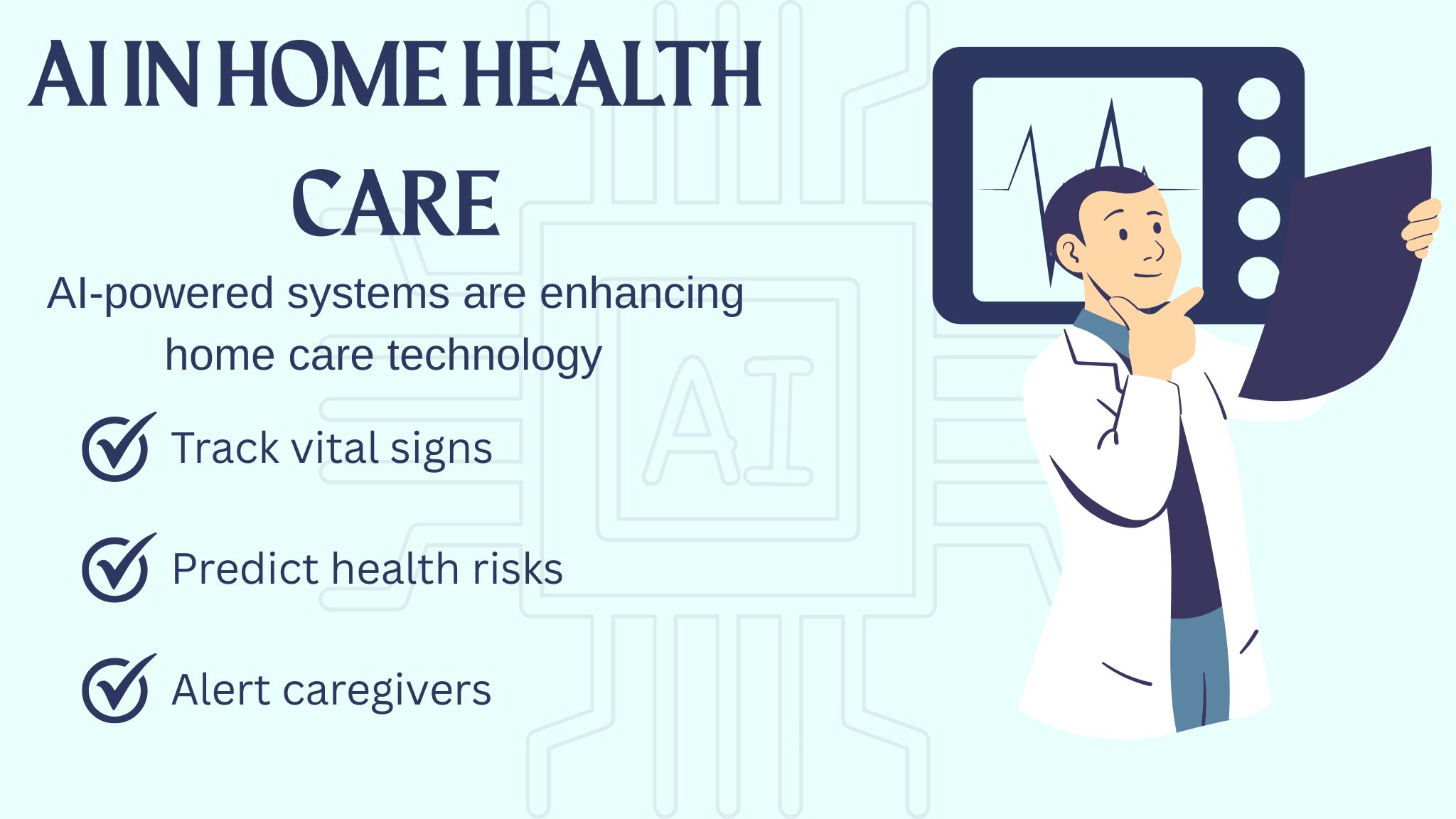
Infographic showing how AI is transforming home healthcare through smart monitoring and early alerts.
33 AI is revolutionizing home healthcare by enabling real-time monitoring, early warnings, and predictive care for patients at home.

What makes AI truly valuable is how it adapts learning from a patient’s habits, preferences, and conditions. It supports families and nurses by taking care of routine check-ins and spotting warning signs early, so help can be provided before problems worsen. 

Telehealth: Doctor Visits Without Leaving Home

Telehealth is becoming a necessity rather than a high standard. With just a smartphone or tablet, patients can now consult doctors, therapists, or specialists from home. This trend gained significant momentum during the pandemic, and by 2025, it became a permanent aspect of everyday healthcare. Whether for follow-up care after surgery, mental health support, or managing chronic conditions like diabetes, teleconsultations save time, travel, and costs. They’re especially helpful for:

  • Elderly patients with mobility issues
  • People living in remote areas
  • Families juggling busy schedules

Through secure video calls and online prescriptions, telehealth bridges the gap between medical expertise and home comfort. You can always explore more for such home care services.

Remote Patient Monitoring: Care That Watches Over You

Another advancement in home health solutions is remote patient monitoring (RPM). Using simple wearable devices like fitness bands or Bluetooth-enabled machines patients can share their daily health data with doctors in real-time.

This is changing how we manage:

  • Blood pressure
  • Sugar levels
  • Oxygen saturation
  • Medication reminders

RPM ensures patients are always under medical observation without being confined to a hospital. It gives families peace of mind and lets doctors intervene only when necessary.

As technology improves, these devices are becoming more affordable and user-friendly, even for people who aren’t tech-savvy. It’s like having a silent nurse by your side, 24/7. You can get required medical equipment on rent, Check out.

The Bigger Picture: What it Means for Families and Patients

These technologies aren’t just about gadgets they’re about freedom, dignity, and proactive care. For families who once had to choose between hospital care and doing it all alone, today’s tools offer the best of both worlds.

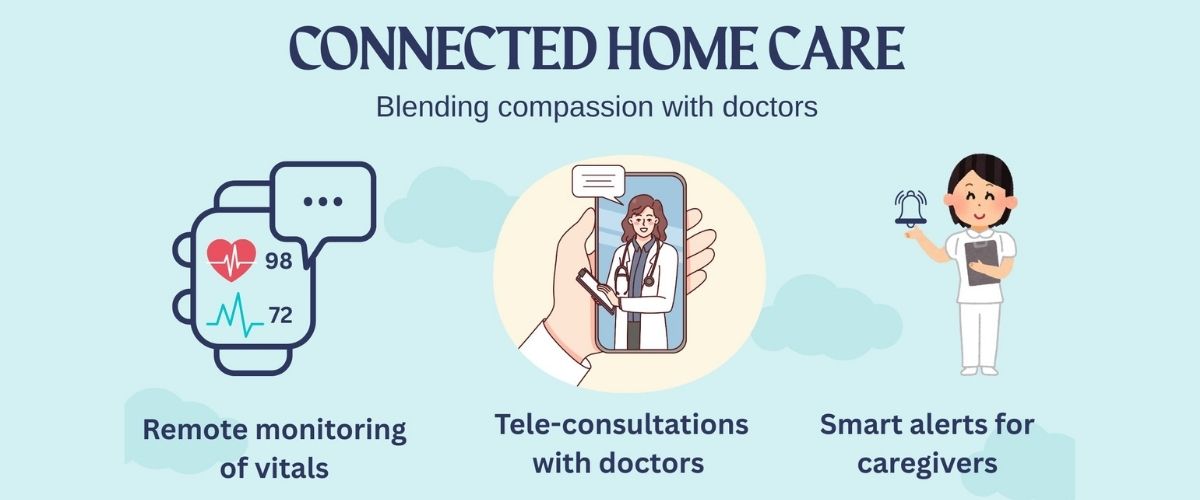
Infographic showing connected home care through remote vitals monitoring, teleconsultations, and caregiver alerts
Connected home care blends technology with compassion through telehealth, vitals tracking, and smart alerts for caregivers.

Imagine this a grandmother recovering from surgery wears a smartwatch that sends daily reports to her doctor. She speaks to her physiotherapist over video and takes medication with reminders from a voice assistant. Her children, even if they live far away, can check on her health dashboard and feel reassured.

Final Thoughts: Embracing Technology with Compassion

The future of healthcare is not just in hospitals it’s in our homes, powered by home care technology that’s smart, reliable, and human-centered.

Whether you’re a caregiver, a patient, or a loved one, embracing these innovations means better health, greater comfort, and a stronger sense of control. Technology will never replace human touch, but it can empower it making every interaction more meaningful and efficient.

At the end of the day, healing at home should feel safe, supported, and smart. Thanks to today’s tools, it finally can.

Respiratory Care at Home: Preventing Illness in Changing Weather

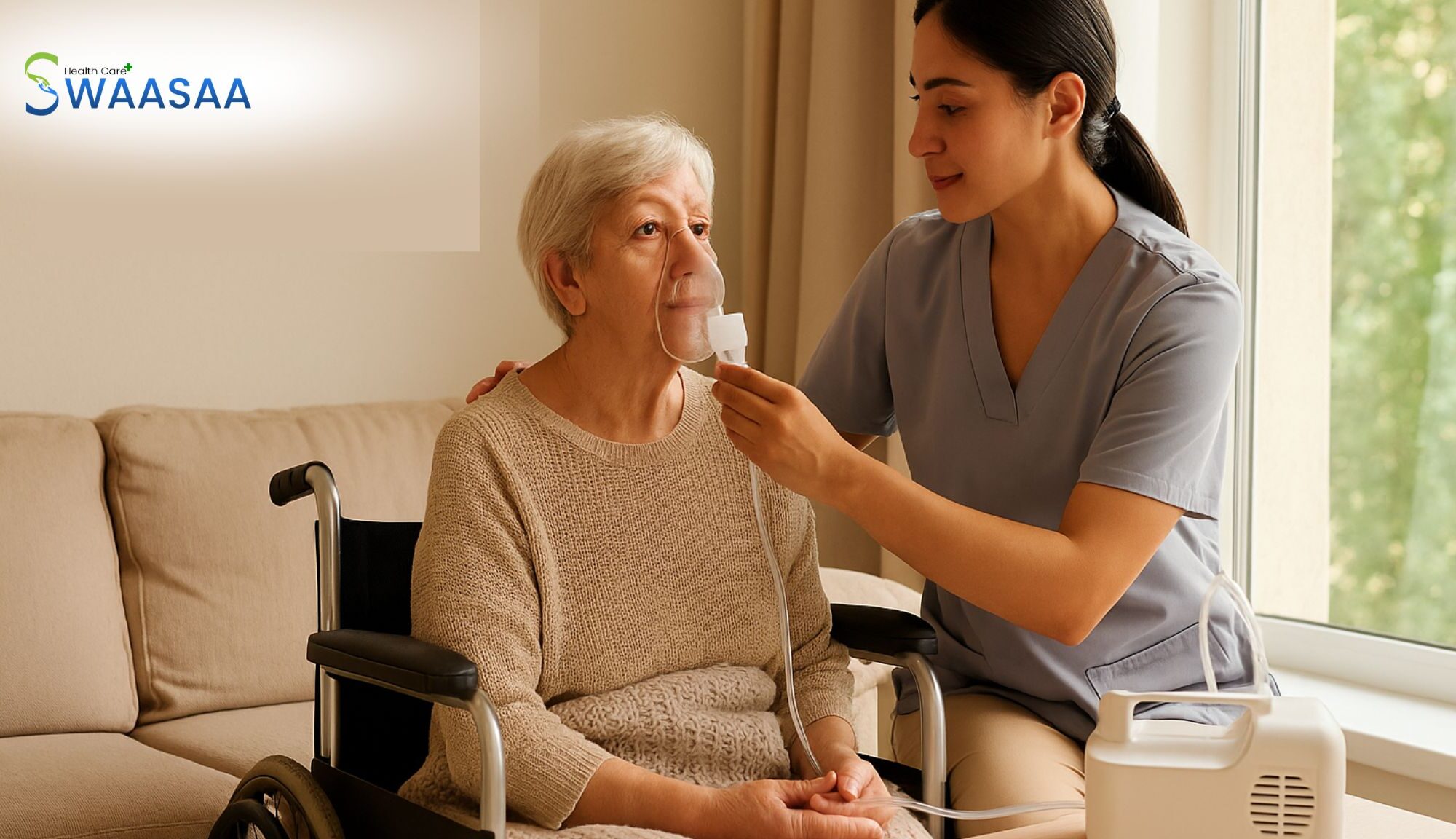
Caregiver assisting a patient with respiratory therapy at home, showing safety and comfort during seasonal changes.

As the seasons shift, so does the air we breathe. For people with breathing difficulties, these changes can trigger serious health concerns. Fluctuating temperatures, rising pollution, dust, and pollen often lead to flare-ups in asthma, COPD, bronchitis, and other lung-related conditions.

To reduce these risks, many families now prefer a safer and more personalized approach to respiratory care at home. Instead of frequent hospital visits, home healthcare providers bring comfort, convenience, and skilled medical attention directly to your doorstep. Let’s explore how home health nursing supports better breathing, prevents complications, and promotes long-term lung health.

How Weather Changes Affect Breathing

Changing weather alters humidity, air pressure, and allergen levels—all of which impact how we breathe. For individuals with chronic respiratory conditions, this often leads to:

  • Shortness of breath
  • Persistent coughing
  • Chest congestion
  • Low oxygen levels
  • Fatigue and weakness

These symptoms may seem common but can quickly become dangerous if left unmanaged. That’s where nurse services at home play an important role. With daily monitoring and timely care, families can prevent these symptoms from turning into emergencies.

Home Nursing and Respiratory Support: What’s Included?

A trained home nurse does more than assist; they manage vital aspects of lung health with both medical skill and compassion. Key services include:

  • Regular monitoring of oxygen saturation
  • Nebulizer therapy for delivering medicines
  • Oxygen support with concentrators
  • Guidance in breathing exercises and physiotherapy
  • Posture corrections to improve lung capacity

These services reduce hospital visits while ensuring that patients receive immediate care in a safe, familiar environment. With home health nursing, recovery becomes easier, safer, and stress-free.

Essential Equipment for At-Home Respiratory Care

One of the major advantages of choosing home healthcare providers is access to medical-grade equipment delivered and managed right at home.

1. Oxygen Concentrators

  • Provide clean, filtered oxygen 24/7
  • Compact, user-friendly, and available in portable models
  • Ideal for patients with COPD, post-COVID recovery, and heart conditions

2. Nebulizers for Daily Relief

  • Deliver medicine directly to the lungs
  • Quick relief from congestion and inflammation
  • Suitable for both children and elderly patients

3. Respiratory Physiotherapy

  • Helps clear mucus and improve lung function
  • Includes chest physiotherapy, guided breathing routines, and strengthening exercises
  • Techniques such as pursed-lip and diaphragmatic breathing enhance recovery

With the right equipment and nurse services at home, patients experience better control over their condition and enjoy a higher quality of life.

Preventive Lifestyle Tips for Better Breathing

Along with medical care, home nurses also guide families on creating a lung-friendly environment. Some simple changes include:

  • Using air purifiers to reduce allergens and pollution indoors
  • Avoiding sudden exposure to cold air or outdoor smoke
  • Staying hydrated and eating nutritious meals
  • Practicing indoor breathing exercises regularly

By combining these habits with professional home health nursing, families can ensure long-term respiratory wellness.

Why Families Prefer Respiratory Support at Home

More and more families are choosing at-home respiratory care over hospital-based treatment. Here’s why:

  • One-on-one personalized attention
  • Reduced risk of hospital-related infections
  • Cost savings compared to hospital admissions
  • Emotional comfort of being cared for at home
  • Better rest, faster healing, and peace of mind

Above all, home healthcare providers bring not just medical care, but also emotional reassurance, helping patients feel safe, supported, and less anxious.

Final Thoughts: Breathing Better Begins at Home

Respiratory problems don’t wait for the right time, and neither should your care. With trained nurses, modern medical devices, and customized care routines, respiratory care at home becomes the first line of defense against seasonal and environmental breathing challenges.

From oxygen concentrator rentals and nebulizer treatments to guided breathing physiotherapy, everything can now be done safely at home. If someone in your family struggles with breathing during weather changes, it’s time to act.

Choose comfort. Choose safety. Choose better breathing with professional nurse services at home.

Child Home Care: Caring for Pediatric Patients with Nursing at Home

A caregiver assisting a child with a nebulizer at home, providing pediatric respiratory care in a safe and loving environment.

For parents, nothing matters more than the health and comfort of their child, especially when a little one is unwell. Hospital stays can feel intimidating for both children and caregivers, which is why more families today are choosing professional pediatric home care services. When provided in a child’s familiar surroundings, these services reduce stress, lower the risk of infections, and ensure comfort-driven healing.

From routine recovery support to specialized respiratory care at home, trained caregivers and pediatric nurses bring clinical expertise and emotional care right to your doorstep. Here’s how home-based nursing is transforming pediatric care in India.

Why Pediatric Home Care Services Are Gaining Popularity

Caring for children with health conditions requires more than just basic nursing, it calls for sensitivity, patience, and clinical precision. Whether your child is recovering from surgery, managing a chronic illness, or has developmental challenges, pediatric home care services offer personalized plans based on their unique needs. These services have become an important part of modern home healthcare services, ensuring families can access quality care without frequent hospital visits.

Common pediatric conditions that benefit from home care include:

  • Asthma and other respiratory conditions

  • Post-surgical recovery

  • Congenital disorders

  • Neurological issues

  • Physical or developmental disabilities

With one-on-one attention and tailored support, children heal better in familiar settings where they feel safe and loved. Parents who already rely on nanny care services for daily support often find pediatric home nursing a natural extension, combining both medical and caregiving expertise.

How Home Nurses Help with Pediatric Respiratory Conditions

One of the most common reasons families opt for home care is to manage childhood respiratory issues. Seasonal weather changes, pollution, and weakened immune systems make children vulnerable to breathing difficulties. Instead of frequent hospital visits, many parents now rely on respiratory care at home as part of broader home healthcare services.

Pediatric nurses provide:

  • Nebulization therapy at home

  • Oxygen administration with concentrators or cylinders

  • Airway clearance support (especially in cases like cystic fibrosis)

  • Monitoring of oxygen levels and respiratory rate

  • Daily guidance on posture, nutrition, and breathing routines

In children with asthma, bronchitis, or post-viral lung infections, this type of home-based respiratory support prevents hospital admissions and ensures round-the-clock comfort.

Equipment Support: Making Home Safer for Kids

Another big advantage of pediatric home care is access to child-friendly medical equipment rentals. These tools help stabilize your child’s condition while avoiding clinical stress. Families already using nanny care services often value this added support, since trained caregivers know how to combine comfort with medical supervision.

Key pediatric home-use devices include:

  • Pediatric nebulizers (small and low-noise)

  • Humidifiers and purifiers

  • Pediatric oxygen concentrators

  • Suction pumps for airway management

  • Baby monitors for vitals

Caregivers are trained to operate and sanitize these machines, ensuring safety and smooth use at home.

Emotional & Developmental Support at Home

Unlike hospital nurses who may rotate shifts, home caregivers develop a consistent bond with your child. This emotional connection is crucial for kids, who may feel scared or confused during illness.

Home nurses trained in pediatric care also support:

  • Therapeutic play activities for recovery

  • Basic physiotherapy and motor skill exercises

  • Speech and feeding support for developmental delays

  • Coordination with pediatricians for treatment plans

Because respiratory care at home often includes multiple therapies, having one familiar caregiver ensures routine consistency and emotional stability. Many parents choose a blend of nanny care services and medical nursing so that children receive both emotional nurturing and professional medical guidance.

Why Families Trust Pediatric Home Care Services

Parents who choose home care for their children feel more in control and less anxious. Being present during treatments and maintaining familiar routines provides peace of mind.

Top benefits include:

  • Reduced exposure to hospital-borne infections

  • Customized schedules around the child’s needs

  • Lower healthcare costs over long-term treatment

  • Emotional stability for both child and parent

  • Professional supervision without clinical stress

Moreover, services like respiratory care at home make managing complex pediatric conditions easier, safer, and more comforting for both the child and their family. Families seeking reliable home healthcare services find pediatric home nursing to be the perfect solution for long-term support.

Final Thoughts: Healing Happens Best at Home

When your child is unwell, every detail matters — the environment, emotional support, and quality of care. With expert pediatric home care services, you don’t have to choose between professional support and family comfort — you get both.

Whether your child needs respiratory care at home, post-operative nursing, or long-term condition management, in-home pediatric care brings healing, warmth, and reassurance to your doorstep.

At Swaasaa, we believe children recover better when surrounded by love, laughter, and familiarity. Let us help you care for your child at home, with heart.

Why is Postnatal Care Crucial for Mothers and Newborns

Postnatal care services at home

The journey of childbirth doesn’t end with delivery it begins a deeply emotional and life-changing chapter called the postnatal period. Also known as postpartum care, this stage focuses on the health and well-being of both the mother and her newborn. It’s a time of healing, learning, and adjusting to new responsibilities, making professional support invaluable. According to the World Health Organization (WHO), quality postnatal care is essential to reduce risks for both mothers and babies during this critical phase.

Postnatal Care Services at Home

Recovering from childbirth while caring for a newborn can feel overwhelming, especially for first-time mothers. Postnatal care services at home provide essential medical and emotional support right where it’s needed most in the comfort of your home. From regular health checks to guidance on newborn care, these services give mothers the confidence to embrace motherhood while ensuring a safe and nurturing environment for their baby.

The Importance of Home Health Nursing for New Mothers

Home health nursing brings skilled healthcare professionals directly to your doorstep, eliminating the stress of frequent hospital visits. These trained nurses monitor your recovery, assist with wound care, and help you understand your body’s changes after childbirth. They also check your baby’s feeding and growth, answer questions, and offer reassurance. This type of in-home care empowers mothers to rest, recover, and feel supported during the crucial early weeks of parenthood.

Physical Recovery After Delivery

The postpartum phase is a time of profound physical change. Your body works hard to heal: your uterus gradually shrinks back to its pre-pregnancy size, your hormones shift dramatically, and fatigue sets in after the challenges of labor. Even simple tasks may feel exhausting, and that’s completely normal. With the right care, rest, and nutrition, mothers can recover more comfortably and regain strength at their own pace.

Emotional Health Support During the Postnatal Period

Motherhood brings immense joy, but it’s also natural to feel overwhelmed. Many mothers experience mood swings or the “baby blues,” and some may face postpartum depression or anxiety. Emotional health is just as important as physical recovery, and having access to counseling, support groups, or even a kind and understanding caregiver can make all the difference. Postnatal care helps mothers navigate this emotional journey, reminding them that it’s okay to ask for help.

Why After Delivery Care for Mothers Is Essential

After delivery care for mothers focuses on more than just medical attention; it provides holistic support. Regular check-ups ensure proper healing, while caregivers guide mothers on pain management, nutrition, and building healthy routines. Emotional support during this time also helps mothers adjust to their new identity and responsibilities with confidence.

Breastfeeding Guidance and Support

Breastfeeding is a beautiful way to bond with your baby, but it doesn’t always come naturally. Many mothers struggle with latching, soreness, or milk supply concerns in the early days. With postnatal care, you receive hands-on guidance to make breastfeeding easier and more comfortable. This support helps you feel confident, ensuring your baby is well-fed and thriving.

Newborn Health Monitoring and Caretaker Support

The first few weeks of a baby’s life are precious but can feel overwhelming. Professional caregivers and caretakers for newborn babies and mothers provide gentle, attentive support so parents can focus on bonding with their little one. Caregivers monitor growth, feeding patterns, and development milestones, while also helping mothers feel cared for and less alone during this life-changing period.

Essential Products for Postnatal and Newborn Care

Having the right tools at home can make this stage smoother. Postpartum recovery kits with belly wraps, sitz baths, and perineal sprays help speed up healing. Breastfeeding accessories like pumps and nursing bras make feeding easier. Baby monitors offer peace of mind, while gentle newborn skincare products protect delicate skin. These small essentials can make a big difference in daily life for both mom and baby.

Practical Tips for Effective Postnatal Care at Home

Postnatal care isn’t just about medical check-ups; it’s about nurturing the entire family. Attending scheduled appointments ensures both mom and baby are thriving. Asking for help—whether from family, friends, or professionals can reduce stress and support recovery. Focusing on proper rest, hydration, and a nutrient-rich diet helps your body heal faster. And taking time to learn about newborn care and postpartum health builds confidence and peace of mind, making motherhood a little less overwhelming.

Conclusion: A Gentle Reminder for New Mothers

The postnatal period is a time of love, adjustment, and learning. It’s okay to feel tired, unsure, or emotional during this stage every mother goes through it in her own way. Having compassionate guidance from professionals like those at Swaasaa can provide comfort and support, ensuring mothers feel cared for while their babies receive the best possible start. Whether through home health nursing or trusted caretakers, the right help at the right time can make your journey into motherhood smoother and more joyful.

Expert Guide to Chair Yoga for Elderly at Home

An elder woman practicing chair yoga at home

As our parents and loved one’s age, it’s natural to want the very best for them – not just in terms of medical care, but also in emotional support, comfort, and quality of life. However, aging often comes with physical limitations, chronic conditions, or recovery from surgeries that can make regular movement or exercise a challenge.

That’s where chair yoga comes in – a gentle yet powerful way to support mobility, reduce stress, and promote holistic wellness. When guided through professional medical home care services, this approach becomes even more impactful, helping seniors feel safe, supported, and empowered in their own homes.

In this guide, we explore how chair yoga and home-based medical care work hand in hand to create a nurturing environment for seniors.

What Is Chair Yoga? A Gentle Practice for Everybody

Chair yoga is a modified version of traditional yoga that’s designed to be accessible for individuals with limited mobility, balance issues, or chronic pain.The main tool is a strong chair, which can be used as a seat or as support when standing.

This approach ensures that seniors can still enjoy the benefits of movement, mindfulness, and breathwork without the risks that come with floor-based or high-impact exercises.

Key Benefits of Chair Yoga for Seniors

  • Enhanced Flexibility: Mild stretches help joints move more freely.
  • Improved Circulation: Movements stimulate blood flow, aiding energy and cardiovascular health.
  • Better Posture & Balance: Core and spine alignment help prevent falls.
  • Stress Relief: Breathwork and mindful movement calm the nervous system.
  • Enhanced Mental Clarity: Promotes focus, memory, and a sense of peace.

Chair yoga isn’t about perfection, it’s about presence, comfort, and empowerment, meeting seniors exactly where they are.

The Importance of Medical Home Care for the Elderly

Aging gracefully often requires more than just support it needs personalized, professional care. This is where medical home care services come in. Seniors receive skilled nursing, therapy, and wellness services right in their homes – eliminating the need for travel or unfamiliar settings.

How Home Care Supports Chair Yoga and Wellness

  • Tailored Yoga Routines: Healthcare professionals assess physical abilities and create custom movement plans.
  • Safe Supervision: Caregivers ensure correct posture and breathing techniques to prevent strain or injury.
  • Medical Backup: In case of any underlying health conditions, caregivers are trained to respond appropriately.
  • Daily Encouragement: Care routines include reminders, motivation, and emotional support to keep seniors consistent and engaged.

Swaasaa Healthcare: Medical Care That Feels Like Home

More than just a service, Swaasaa Healthcare is dedicated to providing individualized, compassionate care. Operating across India, Swaasaa brings trained professionals to your doorstep, offering both clinical expertise and human connection.

What Makes Swaasaa Unique?

  • Comprehensive Home Health Services: Including elder care, nursing, mother & baby care, and in-home physiotherapy.
  • Verified & Trained Caregivers: Selected not just for skills, but for empathy and patience.
  • Holistic Wellbeing Support: Physical, emotional, and mental wellness addressed through services like chair yoga and breathing techniques.

To Know more or schedule a consultation at www.swaasaa.com
Your parents deserve comfort, care, and movement – right at home.

What Services Are Included in the Professional Home Nursing Service

Illustration showing various home nursing services including elderly care, physiotherapy, IV support, and assisted mobility.

When considering your options, it is important to take into account several key factors. First, look into the credentials and experience of the staff members who will be providing the care. This includes their education, training, and any special certifications they may have obtained. Next, consider the range of services that are offered by the facility or organization. Are they equipped to meet all of your needs, or do they have limitations? Lastly, pay attention to reviews and testimonials from other clients who have utilized their services. Hearing about others’ experiences can give you valuable insights into the quality of care that can be expected. By thoroughly evaluating these aspects, you can make an informed decision that ensures quality care for yourself or your loved ones.

What Services Are Included in Professional Home Nursing Care

When evaluating your options, it is essential to consider several key factors. First, review the credentials and experience of the staff who will provide care. This includes their education, specialized training, and certifications. Next, assess the range of services offered by the organization. Are they capable of meeting all your needs, or do they have limitations? Finally, check reviews and testimonials from clients, as these provide valuable insights into the quality of care you can expect. By carefully considering these aspects, you can make an informed choice that ensures quality care for yourself or your loved ones.

Professional home nursing services provide essential medical and personal care in the comfort of your home. These services are tailored to individuals who need support with healthcare management and daily activities. From skilled nursing to specialized mother and baby care, the services are comprehensive and ensure patients receive the right support while remaining in familiar surroundings.

Home nursing care is flexible and cost-effective, serving as a practical alternative to prolonged hospital stays and enhancing overall quality of life for patients and families.

What Are Professional Home Nursing Services?

Home nursing services bring healthcare to your doorstep, offering both medical care and personal support. These services ensure holistic well-being and allow patients to receive essential care while remaining at home.

Expert nurses handle everything from health monitoring to medication management, helping patients recover and thrive in familiar surroundings.

Core Medical Services Provided at Home

Home health nursing provides a wide range of medical services that focus on patient recovery, safety, and comfort.

Key Services Offered:

  • Wound care and dressing changes
  • Medication management and administration
  • Vital signs monitoring
  • Chronic illness management
  • Post-surgical care

Continuous monitoring helps prevent complications, supports faster healing, and reduces hospital readmissions.

Home nursing care

Personal Care and Daily Living Assistance

Personal care plays a vital role in maintaining independence and dignity. Professional caregivers support daily living activities, ensuring comfort for patients at home.

Assistance Provided:

  • Bathing and grooming
  • Dressing and toileting
  • Meal preparation and feeding
  • Light housekeeping
  • Mobility assistance

These services are customized to meet individual needs and schedules, improving overall quality of life.

Professional home nursing services

Specialized Mother and Baby Care at Home

Mother and baby care services support new families during the postpartum period. They provide essential assistance, easing the transition into parenthood while ensuring both medical and emotional support.

Services Offered:

Home-based care creates a relaxed environment for recovery and strengthens the bond between parents and their newborns.

Best Physiotherapy and Rehabilitation Services at Home

Physiotherapy at home offers personalized programs designed to improve mobility, reduce pain, and speed up recovery. These services are especially beneficial for patients recovering from injury or surgery.

Key Physiotherapy Services:

  • Personalized exercise programs
  • Joint mobilization techniques
  • Pain management strategies
  • Functional movement training

Receiving physiotherapy at home allows patients to recover in a familiar environment with consistent support.

Physiotherapist assisting a patient at home

Additional Benefits of Home Nursing Care

Home nursing care extends beyond medical assistance, offering emotional comfort and companionship, which contribute to overall well-being.

Key Benefits Include:

  • Reduced hospital visits
  • Flexible scheduling tailored to family needs
  • More cost-effective than prolonged hospital stays

How to Choose the Right Home Nursing Service

Choosing the right home nursing service can feel overwhelming due to the variety of options. To make the best decision, consider the following factors:

Considerations Include:

  1. Staff qualifications and experience – Check credentials, education, and certifications.
  2. Range of services – Ensure they offer everything you require.
  3. Transparency – Services and benefits should be clearly explained.
  4. Reviews and testimonials – Real experiences from clients build trust and confidence.

Constructive feedback also shows a provider’s commitment to quality improvement and client satisfaction.

Conclusion

Professional home nursing services offer a safe, reliable, and compassionate way to receive quality healthcare at home. From skilled medical support to personal care, postpartum support, or physiotherapy at home, these services are tailored to meet diverse needs. By choosing a service with qualified staff, a wide range of offerings, and a proven reputation, you ensure smoother recovery, greater independence, and improved quality of life for yourself or your loved ones.

Renting Medical Equipment for home care

Various home healthcare equipment including wheelchair, walker, hospital bed, oxygen cylinders, and nebulizer machine.

Need quick care without a hospital rush? Fortunately, it is now possible to rent medical equipment for your home. With this option, patients can receive professional care and recover faster in the comfort of their own homes. From patient beds and wheelchairs to oxygen cylinders, ventilators, nebulizers, and walkers—these tools make home-based care easier and more efficient.

In fact, renting medical equipment allows you to keep track of your health, manage chronic conditions, and handle emergencies—all without frequent hospital visits. Below, we’ll explore some essential equipment, their usage, and how they benefit recovery at home.

Oxygen cylinder:

It is a device that pulls in air, increases the oxygen level, and gives it to the patient to help them breathe more easily. As a result, it ensures the body gets the oxygen it needs to function properly and stay healthy.

Usage:

For critical situations, It is helpful during sudden breathing issues or low oxygen levels.

  • During Sleep:
    Some people use it to maintain proper oxygen levels.
  • Chronic illness:
    It helps people with chronic lung diseases live more comfortably.

Wheelchairs:

Wheelchairs help people with walking difficulties move around, whether due to injury, surgery, disability, or age-related concerns. Overall, having a wheelchair can bring comfort and safety.

Usage:

  • It helps people who can’t walk or move around safely.
  • This is helpful for people who are healing from surgery or an accident.
  • Supports older people who find walking hard.

Walkers:

Walkers and rollators are helpful for those people who feel weak while walking. Not only do they offer balance, but they also reduce fall risk.

Usage:

  • Help in balancing:
    Walkers give balance and reduce the risk of falling.
  • Used Indoors and Outdoors:
    They are easy to move around in the house or outside, like in the park or clinic.
  • Support While Walking:
    They help people who feel weak, unsteady, or are recovering from surgery walk safely.

Patient bed:

Renting a patient bed is an easy way to give them relaxation and comfort. Compared to a regular bed, these beds make it easier for patients to sit, rest and move. Whether they need this medical equipment for recovery after surgery or elder care, renting saves money and gives the proper support. It’s a safe and helpful choice for home care.

Usage:

  • Bedside support helps the person fall from the bed while resting or sleeping.
  • You can easily adjust the bed positions for better rest and comfort.
  • Making daily routine care easy, feeding and dressing.

Nebulizers:

It is also medical equipment that is helpful for people with breathing problems like asthma and COPD(Chronic Obstructive Pulmonary Disease). They work by converting liquid medicine into a vapour form that helps people breathe easily. It allows the medicine to go to your lungs and gives fast relief. A nebulizer at your home is essential, especially during breathing troubles, as it can help quickly and safely.

Usage :

  • During Colds and Infections:
    It helps to reduce mucus and chest tightness.
  • Asthma Relief:
    During an asthma attack, breathing is difficult, so a nebulizer helps to overcome this problem.

Patient Ventilator:

It helps patients who have breathing issues. Depending on the need, it helps move air in and out of the lungs. A ventilator is an artificial breath giver that assists the patient in getting proper oxygen and removing carbon dioxide.

Usage:

  • Breathing Support:
    People who can’t breathe properly on their own because of lung problems or breathing failure can use it.
  • Provides Oxygen:
    It gives the body the right amount of oxygen to stay healthy.
  • Comfort at Home:
    Patients stay in their homes while still getting the breathing help they need.

Conclusion:

Now that essential medical equipment is readily available, your home can also be a place of healing. Whether you need a wheelchair for safe movement, an oxygen cylinder for easier breathing, or a patient bed for comfortable rest, you can rent it and receive hospital-like care in your home.