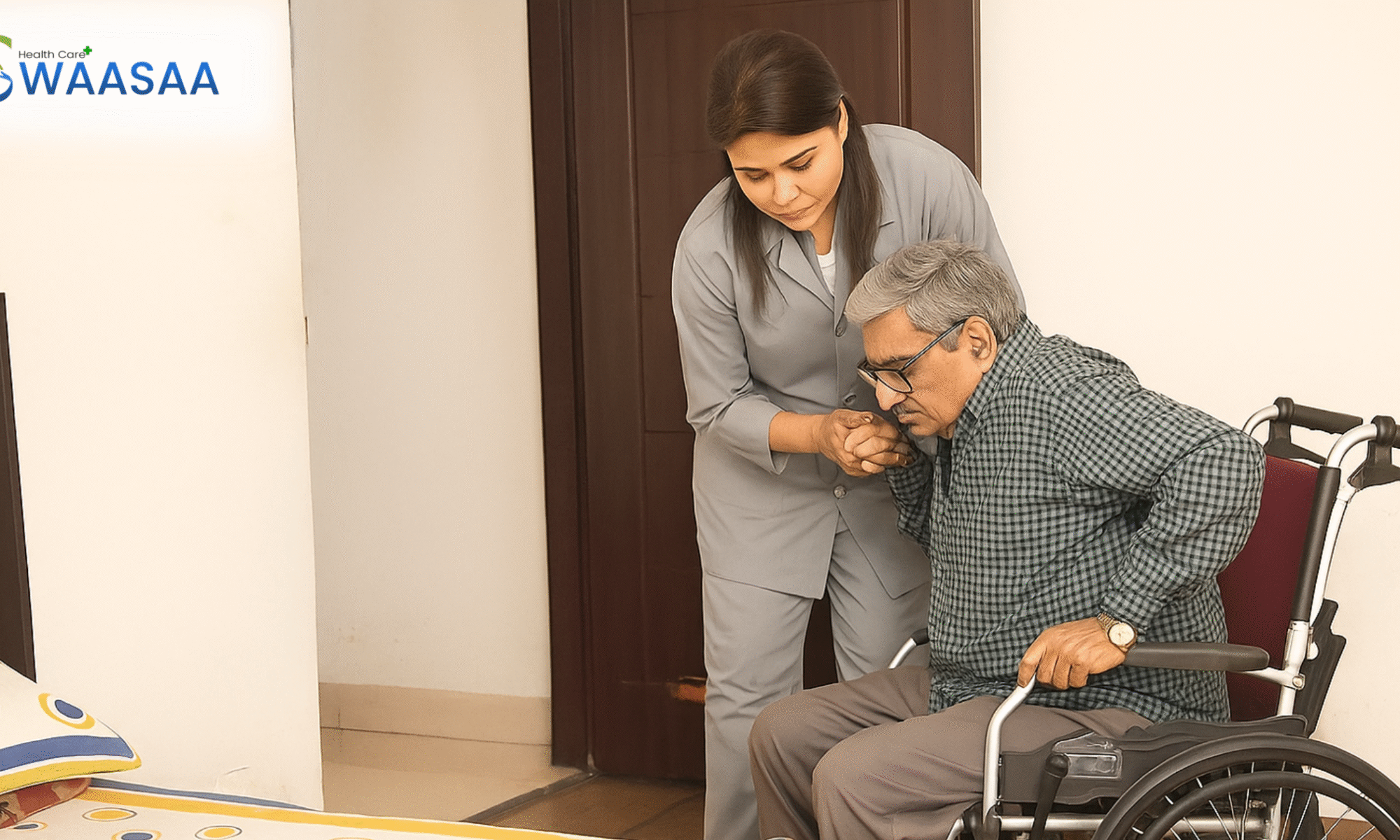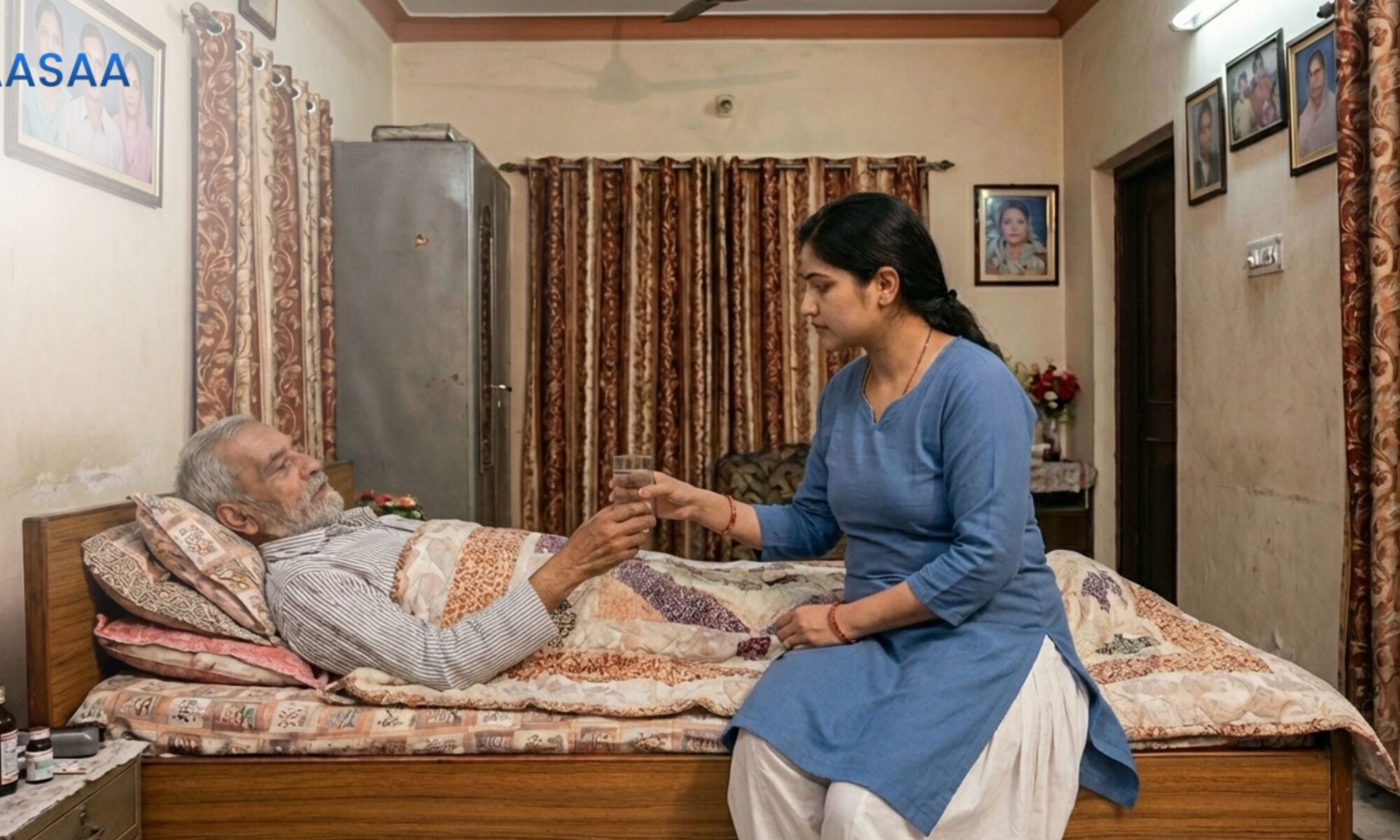
--- Shukrana Guru Ji 🙏 ---

How to Choose the Right Caretaker for Elderly in Mumbai

Caretaker for Elderly in Mumbai

Most families don’t wake up one morning and decide they need a caretaker. It usually starts with something small. A tablet still sitting on the dining table at night. A call from the watchman saying your mother slipped but didn’t want to make a fuss. A father who once walked confidently to the corner shop now waiting for someone to walk with him.

In Mumbai, these moments hit harder. Workdays stretch long. Commutes steal hours. Many families don’t live together anymore. And slowly, almost reluctantly, adult children realise they can’t be everywhere at once—even when their parents need them most.

Choosing a caretaker isn’t about handing responsibility to someone else. It’s about making sure your parents feel safe, respected, and supported when you can’t be there yourself. And yes, it’s also about finding a little peace of mind in the middle of a very busy life.

Why This Choice Matters More Than People Realise

Elderly care isn’t a service you can treat casually. It’s personal. Someone is entering your parent’s home, their routine, their private space.

When the right caretaker comes in, things quietly improve. Your parents move more confidently. Meals happen on time. Loneliness doesn’t feel as heavy. And you stop checking your phone every ten minutes.

When the wrong person is hired, the opposite happens. Complaints increase. Caregivers keep changing. Seniors feel unsettled. For older people, especially, that lack of consistency can be deeply upsetting.

Making Sense of Home Care Services in Mumbai

There are plenty of home care services in Mumbai, but families often assume they’re all the same. They’re not.

Understanding the difference helps you choose what your parents actually need—not more, not less.

General Caregivers: Everyday Support That Makes Life Easier

General caregivers help with the basics—things your parents may have done independently for years but now finds tiring or risky.

Bathing. Changing clothes. Eating meals properly. Moving around the house safely. Sometimes, just being present so your parents aren’t alone.

This kind of support works well for seniors who are mostly stable but shouldn’t be left unattended for long hours.

Trained Attendants: When Care Needs Become More Specific

Trained attendants are used to handling situations that need extra care—limited mobility, post-surgery recovery, age-related weakness, or early dementia.

Many elder care services for home in Mumbai provide attendants who understand how to support seniors without making them feel helpless. That balance—helping without taking away dignity—is important.

Nurses: When Medical Care is Genuinely Required

Home nursing services in Mumbai are meant for medical needs. Things like wound dressing, injections, catheter care, or close monitoring after surgery.

One mistake families often make is assuming a nurse is always the safest option. In reality, many seniors don’t need medical care every day. A trained attendant is often more suitable and less intrusive.

Home Care for Elderly Parents in Mumbai is Also Emotional Care

Care isn’t just about what gets done. It’s about how it’s done.

Does the caretaker listen patiently when your mother repeats herself? Does your father feel respected when he needs help standing up? Are routines followed, or rushed through?

Good home care for elderly parents in Mumbai looks simple from the outside—but it’s built on consistency, kindness, and familiarity. Most seniors value a calm presence more than technical skill.

When Patient Care Services for Home in Mumbai Become Necessary

Families usually look into patient care services for home in Mumbai after a major change—hospital discharge, a fracture, surgery, a stroke, or a sudden drop in mobility.

At this stage, care may include helping the senior move safely, reminding them to take medicines, observing small changes, and keeping family members informed.

The aim isn’t to turn the home into a hospital. It’s to help recovery happen in a place that feels familiar and reassuring.

Caregiver or Nurse: How Do You Decide What’s Right?

If your parent needs help with daily activities, safety, and companionship, a caregiver or trained attendant is usually enough.

If a doctor has prescribed ongoing medical procedures or monitoring, that’s when home nursing services in Mumbai make sense.

Many families begin with basic care and adjust as needs change. That approach often works best.

What Really Matters When Choosing a Caretaker

From working with many families across Mumbai, a few things consistently matter more than anything else.

Experience helps. Training matters. But soft skills matter most.

Patience. Calmness. Respectful communication. Willingness to understand routines. Emotional sensitivity.

Background checks and verification are essential. But just as important is watching how the caretaker interacts with your parents. Seniors notice tone, body language, and attitude instantly.

Skills can be taught. Empathy cannot.

Mistakes Families Often Make

Most problems don’t come from bad intentions. They come from urgency.

Hiring in a panic. Choosing only based on cost. Skipping verification. Not asking the elderly parent how they feel. Expecting one person to handle everything.

Taking a little extra time at the beginning usually saves months of stress later.

Addressing The Concerns Families Worry About

Safety: Always choose verified caregivers and stay involved.

Cost: More care isn’t always better care. Match support to real needs.

Availability: Have a backup plan for weekly offs or emergencies.

Continuity: Seniors feel safer when familiar faces remain consistent.

A Simple Checklist Before You Decide

Before finalising a caretaker, pause and check:

  • Are the care needs clearly understood?
  • Is experience verified and documented?
  • Does the elderly parent feel comfortable?
  • Is communication between caretaker and family clear?
  • Is there backup support if needed?

A Final, Honest Thought

Choosing a caretaker is one of the most meaningful decisions you’ll make for your parents.

There’s no perfect solution. Only thoughtful ones. When chosen with care, the right support doesn’t replace family—it strengthens it.

In a city like Mumbai, where life moves fast, good care allows elderly parents to feel secure, respected, and at home—in every sense of the word.
 

India’s Air Pollution: Impact on Health and Environment

Air Pollution

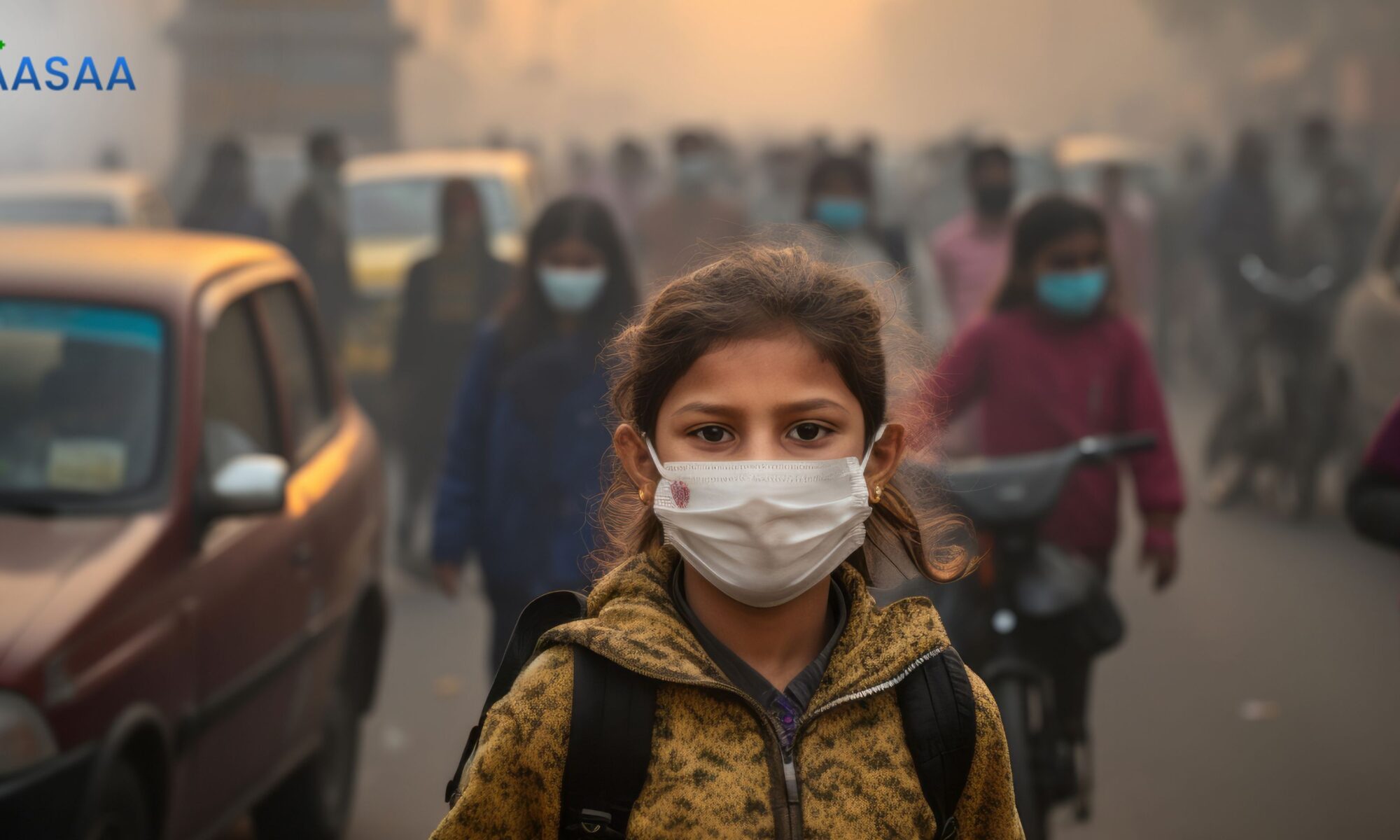
Walk through any busy Indian city early in the morning and you’ll notice it even before you see it—a light burning smell, a thin layer of smoke in the air, and a feeling of heaviness when you breathe. For millions of people, this is no longer a seasonal issue. It has become a part of daily life. India’s air pollution problem is now a serious health concern that affects our lungs, our land, our water, and even our wildlife.

This article explains the real impact of polluted air, how it affects our body and nature, and simple ways to stay safe.

1. The Rising Air Pollution Problem in India

India has grown rapidly in the last 10 years, but air quality in many cities has become much worse. Cities like Delhi, Gurugram, Lucknow, Patna, Mumbai, and Kolkata often record AQI levels far above safe limits, sometimes reaching “severe” levels. On such days, it feels like the air has more dust than oxygen.

Main causes of this pollution include:

  • Vehicle exhaust from millions of cars and bikes
  • Dust from construction and roads
  • Emissions from factories
  • Crop burning in northern states
  • Smoke from household fuels in villages
  • Waste burning in city outskirts

These activities release harmful pollutants like PM2.5, PM10, nitrogen dioxide, sulfur dioxide, ozone, and carbon monoxide.

The dangerous part? PM2.5 is so small that it enters deep into the lungs and even the bloodstream.

Air pollution is no longer just an environmental problem—it’s a health and safety risk, especially for children, elderly people, and those with asthma or heart issues.

2. How Air Pollution Affects the Human Body

Even a few hours in polluted air can affect your body. Many people don’t realize their symptoms are linked to poor air quality.

Immediate Breathing Problems

Polluted air irritates the throat and lungs, causing:

  • Difficulty breathing
  • Burning or scratchy throat
  • Constant coughing
  • Chest tightness
  • More asthma attacks
  • Faster spread of infections

Children are affected the most because they breathe faster and spend more time outdoors.

Hidden Damage to the Heart

Most people don’t know that polluted air harms the heart too. Fine particles can enter the blood and affect blood vessels.

Long-term exposure can lead to:

  • High blood pressure
  • Heart disease
  • Higher chances of stroke

Doctors now consider air pollution as risky as smoking.

Effects on Eyes, Skin & Immunity

Polluted air can cause:

  • Burning eyes
  • Redness and dryness
  • Itchy skin

Over time, it weakens the immune system and increases infections.

Slow, Long-Term Damage

Long-term exposure can cause:

  • Reduced lung capacity
  • Chronic bronchitis and COPD
  • Faster aging of organs
  • Higher risk of certain cancers

Clean air is not a luxury—it’s essential for a healthy life.

3. How Pollution Harms Nature and the Environment

Air pollution does not only harm humans. It affects the entire environment around us.

Plants and Crops Get Weaker

Pollution settles on leaves like invisible dust. It blocks sunlight and slows plant growth. Farmers in northern India often see lower crop yields during heavy smog.

Soil and Water Become Polluted

Pollutants like sulfur dioxide and nitrogen oxides cause acid rain. Over time, this damages soil nutrients and makes water bodies acidic, harming fish and other species.

Wildlife Suffers Too

Birds struggle with visibility. Animals breathe the same polluted air, leading to breathing problems and lower survival rates.

Pollution and Climate Change

Black carbon and greenhouse gases increase global warming. India is facing more floods, heat waves, and irregular rainfall because of this—directly affecting agriculture and water supply.

4. Simple Ways to Protect Yourself and Support Cleaner Air

We cannot fix everything overnight, but we can protect our health and make small changes that help the environment.

Check AQI Before Going Out

Use apps or government websites. Avoid outdoor exercise on poor or severe AQI days.

Wear the Right Mask

Use certified N95 or N99 masks to filter fine particles.

Improve Indoor Air Quality

  • Keep windows closed during peak pollution
  • Use an air purifier if possible
  • Clean fans and vents regularly
  • Keep air-purifying plants like aloe vera, snake plant, and peace lily

Strengthen Your Body from Inside

  • Drink lots of water
  • Eat foods rich in antioxidants: berries, nuts, ginger, turmeric, citrus fruits
  • Practise breathing exercises indoors

A stronger body can fight pollutants better.

Make Small Eco-Friendly Choices

  • Carpool or take public transport
  • Avoid burning waste
  • Join or support tree-planting drives
  • Save electricity

Small habits, when followed regularly, can create big change.

Final Thoughts

Air pollution in India is not just a number or a news headline—it affects how we breathe, work, and live. Understanding the problem is the first step. The next is taking simple actions to protect ourselves and help our environment.

Cleaner air is not optional—it is necessary for a healthy future. With awareness, good habits, and collective effort, we can protect ourselves today and create a safer world for the next generation.

Elder Care for Parents: What to Do When They Need Help

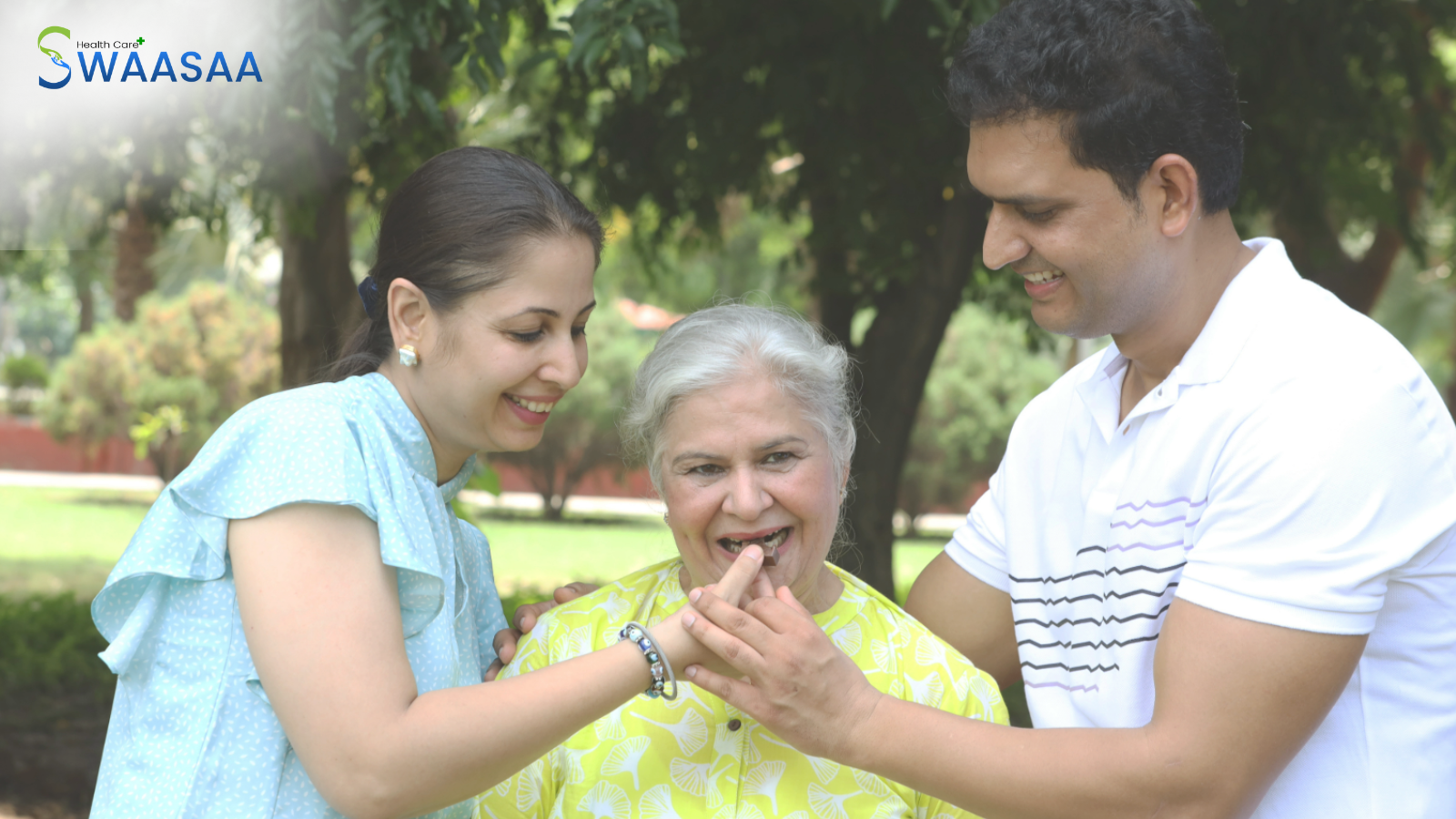
Daughter and son feeding sweets to their smiling elderly mother in a park.

As your parents become older, they may require extra help with daily tasks such as walking, cooking, bathing, or remembering essential information. Managing things on your own may be difficult, especially if you are busy at work or live far away. You may even be unsure about what type of elder care for home they require or where to begin.

The good news is that there are simple and effective strategies to help your parents. From medical support to housekeeping, the correct elder care plan can keep your loved ones safe, comfortable, and independent for as long as possible.

Do You Notice the Small Changes in Your Parents?

One of the first tasks in elder care is to observe small changes in your parents’ behavior and routine. Are they forgetting to eat, not taking their medications, or asking the same questions? Are they having difficulty walking in the house or climbing the stairs?

Even minor indicators, such as staying in bed longer than usual, avoiding specific places, or losing interest in everyday activities, can suggest that they want help. Identifying these changes early on makes it much easier to plan suitable assistance for their safety and comfort.

Open Up With Your Parents Through an Honest, Loving Talk

It is important to communicate with your parents in a calm and caring manner. Sit with them and talk openly about how they’re feeling, both physically and emotionally. Ask if they are having any difficulties moving, remembering things, or performing daily duties.

Listen patiently, without interrupting or judging. Sometimes parents avoid discussing their difficulties because they don’t want to feel dependent. Giving them a secure area to discuss makes them feel appreciated and supported. These open-hearted conversations help you understand their true needs and arrange elder care as a family.

Choose the Right Healthcare Provider for Your Parents

Once you’ve identified what they require, the following step is to select the appropriate type of help. For many families, home-based care is both comfortable and practical.

Home Care for Daily Support

If your parents require help with basic tasks such as washing, dressing, cooking, or taking medications on time, experienced caregivers can pay regular visits to help them. This allows your parents to live in a familiar and comfortable place while remaining safe and cared for.

Home care also gives companionship, which helps to reduce loneliness and improve emotional well-being.

Medical Help at Home

Parents struggling with medical conditions such as diabetes, mobility issues, stroke recovery, or chronic sickness can benefit greatly from expert medical treatment at home. Find Skilled nurses and physiotherapists for home can pay them regular visits to manage treatments, check health issues, and help with recovery.

This avoids the need for frequent hospital trips and ensures that your parents receive appropriate care without ruining their everyday routine.

Ensuring a Safe Home for Your Parents

Creating a safe home environment is an important aspect of elderly care. Small safety improvements can significantly lower the likelihood of falls and injuries.

Here are a few simple steps you can follow:

  • To prevent slipping, place nonslip mats in the kitchen and bathroom.
  • Use night lights in bedrooms, corridors, and restrooms to improve visibility.
  • Install support bars around the toilet and in the shower to add stability.
  • To avoid bending or climbing, keep everyday goods like clothes, medicines, and kitchen basics within easy reach.

These simple improvements will help your parents feel more confident when moving around the house.

Involve Whole Family in Elder Care

You are not required to do anything alone. Include siblings, cousins, and other close family members in your parents’ care. Sharing responsibilities reduces stress and ensures that your parents receive consistent assistance.

Family members can take turns performing chores such as:

  • Accompanying them to doctor appointments.
  • Managing drugs and medical reports
  • Handling minor house repairs or safety upgrades.
  • Spending meaningful time while keeping them company

Working as a family not only helps caring, but it also encourages emotional relationships.

Final Thoughts

Caring for elderly parents can be difficult at times, but it is also one of the most rewarding experiences you can have. You can ensure that your parents feel respected, safe, and loved every day by planning ahead of time, communicating openly, and providing appropriate elder care.

Remember that even minor changes can make a significant difference in their comfort and overall well-being. You don’t have to do everything on your own. When necessary, contact family members or look into reputable elder care providers.

Taking these steps now will help your parents live happier, healthier, and more secure lives as they age.

Arthritis Home Care: Simple Exercises for Pain Relief at Home

Person holding painful arthritic hand with joint inflammation, promoting arthritis patient care.

Living with arthritis is a challenge. Simple tasks like getting out of bed, climbing stairs, and even holding a cup can be painful and exhausting. While many people believe that rest is sufficient, light movement is essential for patient care and plays a critical role in arthritis home care. Gentle exercises at home can help to reduce stiffness, relieve joint pain, and increase mobility. Including these safe, simple activities in daily routines can significantly improve comfort and overall function.

What Is Arthritis?

Arthritis develops when joints, such as the knees, fingers, hips, or shoulders, become swollen, stiff, or painful. This makes it difficult to move or perform daily tasks such as walking, bending, and lifting. Some people are constantly in pain, while others feel it more when they move.

There are numerous types of arthritis, but the two most prevalent are:

  • Osteoarthritis: Joints wear down naturally over time.

  • Rheumatoid arthritis: an autoimmune condition in which the body’s immune system mistakenly attacks its joints.

Understanding these conditions enables families to provide better patient care at home and select appropriate exercises.

Easy Exercises for Arthritis Care at Home

1. Range-of-Motion Exercises

Light stretching helps joints stay flexible and reduces stiffness. These movements allow joints to move through their entire range and promote smooth mobility. Simple actions, such as raising your arms overhead or gently rolling your shoulders, can help you stay active and comfortable during your daily home care routines.

2. Strength Training to Support Joints

Strong muscles protect your joints and make everyday tasks easier. Simple strength exercises, such as lifting light weights, using resistance bands, or performing body-weight movements, can be beneficial for arthritis patients. Working on major muscle groups such as the legs, arms, back, and core improves joint stability.

3. Aerobic Exercises

Light cardio exercises boost heart health, energy, and overall mobility. Walking, cycling, swimming, and water aerobics are low-impact activities that are gentle on the joints and can be done at home. Even 15 minutes per day can have a positive impact.

4. Balance Exercises

Balance training lowers the risk of falling and promotes better posture, which is especially important for seniors and people with arthritis.

  • Stand on One Leg: Hold on to a chair or a wall for support. Lift one foot slightly and hold for a few seconds. Switch legs.
  • Heel-to-Toe Walk: Walk in a straight line, with one foot directly ahead of the other.
  • Side Leg Lifts: Stand straight, with support if necessary, and gently lift one leg to the side before lowering it. This strengthens the hips and legs and can be easily incorporated into daily home care activities.
  • Try Gentle Tai Chi or Yoga: These calm, controlled movements improve balance and allow the body to remain relaxed and steady.

Conclusion

Managing arthritis at home is easier with the right approach. Stretching, strength training, and balance movements are all light exercises that can help reduce joint pain and increase flexibility. When these are followed on a regular basis, they help to improve patient care for people with arthritis. Seeking advice from physiotherapists or trained caregivers ensures that exercises are safe and personalized.

Living with arthritis can be made more manageable, comfortable, and healthier with the right support and a consistent home routine.

Which Is Better for Long-Term Recovery: Home Healthcare or Hospital Care?

Creative visual comparing home healthcare and hospital care for long-term recovery

When someone is recovering from surgery, illness, or living with a chronic condition, one important question often comes up — Home Healthcare vs. Hospital Care, which option supports long-term recovery better?

There is no single answer. Each patient is different, and every recovery journey has its own needs. However, in recent years, many families have been choosing home healthcare because of its emotional comfort, personalized support, and faster healing outcomes. At the same time, hospital care remains essential in serious or high-risk medical situations.

This blog will help you understand the difference between the two so you can make the right choice for your loved one.

What Is Home Healthcare?

Home healthcare means receiving medical support at home through trained professionals such as nurses, physiotherapists, and certified caregivers. These services include everything from post-surgery home care, wound and medication management, and mobility support to chronic illness care at home.

One of the greatest strengths of healing at home is emotional comfort. Patients recover in their own beds, surrounded by family, familiar surroundings, and a sense of control. This can significantly reduce anxiety and loneliness.

Key Benefits of Home Healthcare

  • No need to travel or wait in hospital queues

  • Personalized one-on-one attention

  • Lower risk of hospital-acquired infections

  • Flexibility in routine and care schedules

  • Family can remain close to support the patient

  • Skilled nursing care at home available when needed

  • Rental medical equipment available for home recovery

Especially for elderly individuals, patients with mobility issues, or those recovering from major surgeries, home patient care can improve motivation and help them participate more actively in rehabilitation.

What Is Hospital Care Best For?

Hospitals play a crucial role in providing intensive medical care when a patient needs constant monitoring or advanced treatments.

Hospital care is ideal for:

  • ICU and emergency recovery

  • Trauma care

  • Use of complex medical equipment

  • Continuous monitoring and observation

  • Situations where complications can happen suddenly

Hospitals provide timely access to doctors, diagnostic labs, surgical rooms, and specialized teams. These facilities are lifesaving during critical medical conditions.

However, extended hospital stays may lead to:

  • Emotional stress and loneliness

  • Disrupted sleep and eating patterns

  • Higher risk of infection (especially for weak immunity)

  • Increased financial costs over time

    Home Healthcare vs. Hospital Care — Which Should You Choose?

    Before deciding, it’s important to look at the full picture:

    Factor Home Healthcare Hospital Care
    Condition Stability Best when patient is stable Necessary if patient is unstable or critical
    Medical Needs Suitable for rehabilitation, home physiotherapy services, nursing care Suitable for advanced machines, ICU support, emergency interventions
    Mental Health High comfort and emotional support Can feel stressful over time
    Cost Generally more affordable Higher long-term cost
    Family Support Family involvement possible Limited family participation


    Real-Life Comparison

    A stable patient recovering from knee replacement who needs mobility support and patient rehabilitation at home can recover better at home — familiar surroundings reduce stress and boost confidence.

    A patient after major heart surgery who needs constant cardiac monitoring will benefit from hospital care until they reach a stable condition.

    Every situation is different, and the best choice depends on medical needs as well as emotional wellbeing.

    Final Thoughts

    Choosing between home healthcare and hospital care is not about which is “best” in general, but which is best for the patient’s current recovery stage.

    Hospitals are vital for critical conditions, but healing does not always require a hospital stay. Many patients recover faster mentally, emotionally, and physically when they receive personalized medical care at home.

    If your loved one is medically stable and entering the healing phase, home healthcare can be a safe, comfortable, and cost-effective long-term recovery solution — offering dignity, peace, and the feeling of being home.

Comprehensive Guide to Home Palliative Care in India

Caregiver providing palliative care to an elderly patient at home

Helping families provide comfort, dignity, and quality of life at home

Caring for a loved one with a serious illness, such as cancer, heart failure, neurological problems, or the effects of old age, can be an emotional burden on any family. In this regard, palliative care at home is much more than a service; it becomes a lifeline, whereby comfort, alleviated suffering, and medical and emotional support are delivered to families.

The need for professional, empathetic palliative and home health care is on the rise in India. More and more families prefer home therapy instead of regular visits to the hospital. This article discusses how home-based palliative care works, the advantages it presents, the available options, and how to select the best provider in your vicinity.

What Is Home Palliative Care?

Palliative care aims at providing the best quality of life possible to patients with serious, advanced, or terminal illness. It is a step away from conventional medical therapy and addresses comfort, symptom alleviation, emotional support, and dignity.

When this care is provided at home, it is termed Palliative Care at Home, which is a service provided by qualified experts in palliative care, physiotherapists, and doctors who visit the patient at their house.

Who requires home-based palliative care?

It is right for:

  • Palliative care for patients with cancer.
  • Terminal or life-limiting diseases.
  • Chronic illnesses include COPD, heart failure, and renal disease.
  • Dementia or Alzheimer’s
  • Paralysis and neurological diseases
  • Elderly patients who have limited mobility.

Why do families in India opt for home-based palliative care?

1. Comfort of Being at Home
Patients tend to feel that they are emotionally secure when they are surrounded by familiar faces, their room, and the comforts of home. Many people report this helps improve their mood and reduces stress.

2. Fewer Hospital Admissions
Frequent hospital visits could be exhausting for both patients and their families. Home palliative care avoids unnecessary hospitalization and transportation, yet still provides medical treatment.

3. Personal Attention
The patient gets individualized attention at home, and all the needs are dealt with timely. While in palliative care, the nurse will monitor the vital signs, medicines, levels of pain, and emotional state

4. Family Involvement
Home care allows family members to be involved in the care, build relationships, and understand the patient’s needs better.

5. Cost-Effective Option
Home care allows and encourages family members to participate in care, build relationships, and understand the patient’s actual needs.

Key Services Included in Home Palliative Care

Professional home health care teams provide a variety of services suited to each patient’s condition:

1. Medical Support for Palliative Care

  • Pain management
  • Management of symptoms such as anxiety, nausea, exhaustion, and shortness of breath.
  • Monitoring chronic conditions
  • Administration of medications and IV/IM injections

2. Palliative Care Nursing
Trained nurses support:

  • Daily medical care
  • Wound and catheter care
  • Feeding assistance-NG tube or oral
  • Instand support and positioning
  • Skin care to prevent bedsores

3. Doctor Visits at Home
The specialists in palliative care assess the patients’ conditions, modify treatment strategies, and counsel the families.

4. Physiotherapy at Home
Helps in:

  • Improving mobility
  • Reducing pain
  • Preventing stiffness
  • Strengthening muscles

5. Emotional and Psychological Support
An essential element of palliative care is

  • Counseling sessions
  • Family Member Support
  • Managing sadness and anxiety in terminal disease.

6. End-of-Life Care
Person-centered care that prioritizes the patient’s dignity, comfort, and preferences during the last phase of their life.

Palliative Care at Home in Major Indian Cities

Palliative Care in Delhi

Delhi has a developing network of educated palliative care professionals who provide cancer, pain management, and home nursing services. Home-based treatment is preferred for many families due to the traffic and long hospital wait times.

Best Palliative Care in Mumbai

Some of Mumbai’s most modern home healthcare services include professional cancer palliative care, home ICU setup, and 24/7 nurse assistance without hospital admission.

Home Palliative Care in Punjab & Haryana

These services are gaining increasing popularity in cities like Chandigarh, Panchkula, Ludhiana, Amritsar, Gurgaon, and Faridabad. Families often opt for home palliative care for aged parents and long-term cancer patients, where the requirement is more for comfort care than aggressive treatment.

How to Choose the Right Home Palliative Care Provider

When selecting a provider, look for

1. Qualified Medical Team
Ensure the service includes:

  • Palliative care physicians
  • Experienced nurses
  • Physiotherapists
  • Trained caregivers

2. Experience With Serious Illnesses
Ask if they are treating cancer, stroke, dementia, or age-related diseases.

3. 24/7 Support Availability

Medical crises could happen anytime, so the team should be available any time of the day or night.

4. Customized Care Plans
Care should be arranged around the patient’s daily needs, health status, and degree of comfort.

5. Transparent Pricing
Opt for those suppliers that explain pricing correctly and avoid hidden charges.

Is Home Palliative Care Right for Your Family?

If your loved one has chronic pain, severe disease, emotional stress, and a lack of mobility, and you want to keep them at home, then palliative care is the best choice. It addresses quality of life rather than just medical care. Home palliative care means combining compassion, professional experience, and specialized help to make the lives of patients better and their families more supported. 

Final Thoughts

Palliative care at home in India is beyond a service, it’s a commitment toward dignity, comfort, and care. No matter which city you live in, the right home healthcare team will bring calm, solace, and strength in this journey for your loved one. If you want dependable, loving, and professional assistance, go with a provider that really puts people-first care into practice, prioritizes what matters to families, and provides medical excellence with empathy. 

Post-Surgery Home Care: Healing Safely at Home

Female caregiver helping an elderly man in a wheelchair to stand up at home.

Coming home after surgery can be both comforting and worrisome. Whether you or a loved one has a minor or major surgery, the first few days and weeks at home are important. With competent post-operative nursing care advice and specified pre- and post-operative care protocols, patients can recover more comfortably, safely, and quickly. This book is aimed for Indian patients and families who are interested in home care services and practical ways for promoting healing at home.

Why post-operative care matters

The importance of post-operative care cannot be overstated. Good care reduces the risk of infection, manages pain effectively, avoids complications (such as blood clots or wound collapse), and allows you to return to your normal life sooner. Patients’ post-operative care includes vital sign monitoring, wound care, medication management, and gradual movement, depending on the type of procedure.

Preparing for discharge: pre operative and post operative care basics

Even before you leave the hospital, you want a clear strategy. Pre and post-operative care planning should include the following:

  • A printed medication list (what to take, when, and what to avoid).
  • Wound and dressing instructions.
  • Follow-up appointment dates and emergency contact information.
  • Mobility and diet advice (e.g., when to begin walking and when to resume normal meals).

Having this explained to you in simple terms benefits families in Indian homes where numerous caregivers may contribute.

Post operative nursing care at home: what to expect

Professional post-operative nursing care provided by home-care services can be quite beneficial, particularly for elderly patients or complex surgery. Typical nursing tasks include:

  • Checking the temperature, pulse, and blood pressure, and reporting any red flags.
  • Dressing changes and wound inspection using aseptic approach (to prevent infection).
  • Assistance with bathing, toileting, and moving to avoid falls.
  • Giving injections or intravenous drugs as directed.
  • Educating family members on pharmaceutical adverse effects and wound care.

Nurses who have obtained post-operative care training will also teach patients how to spot signs of complications such as increased redness, fever, intense pain, foul discharge, or sudden shortness, as well as when to seek emergency medical care.

Special considerations: brain and abdominal surgery

Different surgeries demand different techniques. For example:

Post-operative care for brain surgery typically focuses on neurological monitoring, which includes screening for changes in speech, weakness, confusion, severe headaches, or vomiting. Nurses teach patients how to rest, avoid strenuous exercise, and manage their blood pressure (high blood pressure is harmful following brain surgery).

Post-operative care for abdominal surgery includes wound care, slow food progression to avoid nausea, constipation (a common cause of strain and wound stress), and early ambulation to reduce the risk of deep vein thrombosis. Families are taught how to assist the patient in coughing or standing up (for example, using a pillow to support the wound while coughing).

Practical tips for families (simple, actionable)

  • Keep a recovery record: noting the temperature, drugs administered, wound look, and bowel movements. This facilitates interactions with doctors.
  • Pain control is recovery control: take analgesics as prescribed and report any uncontrolled pain.
  • Hydration and nutrition: Protein-rich foods (dal, eggs, paneer, beans) and water promote wound healing.
  • Hygiene and wound protection: wash your hands before changing your dressing, and avoid using unprescribed medicines.
  • Mobility: Even brief, supervised walks every few hours can help decrease difficulties. Use walking assistance if indicated.
  • Emotional care is encouraging little, meaningful activities; mood and sleep affect physical healing.

Affordability and benefits for Indian patients

Home-based postoperative nursing care is becoming more inexpensive and practicable in India. Home care is frequently less expensive than extended hospital stays since it saves on room and facility fees while still offering expert nursing visits. Home care also provides cultural and emotional benefits, as patients heal better in familiar surroundings, among family, and with their preferred meals and routines. For many Indian families, visiting nurses or short-term caregiver assistance fills the gap between hospital discharge and complete independence.

Final thoughts

Healing after surgery is a joint effort; the surgeon and hospital start the process, but good pre- and post-operative care provided at home has a substantial impact. Whether you choose professional post-operative nursing care, hire a nurse for home care, or rely on family assistance, prioritize wound care, medication adherence, modest activity, and keeping an eye out for warning signs. If you are hesitant, please contact your surgical team; early questions and concerns are typical and important. With expert care and patient-centered support, most patients can gradually and safely return to their normal life.

Typhoid Symptoms and Prevention Guide: Your Complete Seasonal Guide to Stay Safe

Card with “Typhoid Fever” held in a lab to raise awareness about typhoid symptoms and seasonal illness prevention

Every year, as temperatures rise and rains arrive, the risk of seasonal infections increases and one of the most common is typhoid fever. This bacterial infection spreads through contaminated food or water and can become serious if not treated in time. The good news is, with awareness and preventive care, you can stay safe and healthy.

In this guide, we’ll discuss Typhoid Symptoms, prevention methods, and useful Typhoid Tips to Stay Safe this season.

Understanding Typhoid: What Is It and How It Spreads

Typhoid fever is caused by a bacterium called Salmonella Typhi. It spreads mainly through food or drinks that have come in contact with contaminated water or unwashed hands. In areas with poor sanitation or during the rainy season, the chances of infection increase significantly.

Once inside the body, the bacteria travel through the bloodstream and settle in the intestines, leading to inflammation and infection. If not treated, typhoid can spread to other organs like the liver, spleen, or gallbladder.

People of all ages can get typhoid, but children, older adults, and individuals with weak immune systems are more at risk.

Common Typhoid Symptoms to Watch Out For

Recognizing the early signs of typhoid helps in getting timely treatment and avoiding complications. Here are the most common Typhoid Symptoms:

  • High, continuous fever (usually increasing in the evening)
  • Headache and fatigue
  • Loss of appetite
  • Stomach pain or abdominal cramps
  • Diarrhea or constipation
  • Weakness and body aches
  • Skin rash with small pink spots (in some cases)

These symptoms usually appear 6 to 30 days after exposure. Because typhoid fever can resemble a viral infection, it’s important not to ignore persistent fever or digestive discomfort.

If you or a loved one experience these symptoms for more than two days especially after eating outside or drinking unfiltered water consult a doctor immediately.

How Typhoid Is Diagnosed and Treated

To confirm typhoid, doctors may perform tests such as:

  • Widal Test: A common blood test that checks for Salmonella Typhi antibodies.
  • Blood Culture or Stool Culture: Helps detect the bacteria directly.

Treatment usually includes antibiotics to kill the infection-causing bacteria. Along with that, doctors recommend rest, hydration, and light, easily digestible foods.

In severe cases, if dehydration or intestinal problems occur, hospitalization might be needed. For patients recovering at home, home healthcare services can provide medical monitoring, medication management, and nutritional support under professional supervision.

Prevention First: Tips to Stay Safe from Typhoid Infection

Preventing typhoid is easier than treating it. Simple hygiene habits and food safety practices can go a long way in protecting you and your family.

1. Drink Only Safe Water

  • Use boiled, filtered, or bottled water for drinking and brushing your teeth.
  • Avoid consuming tap water, especially during the monsoon.
  • Store drinking water in clean, covered containers.

2. Eat Fresh and Home Cooked Food

  • Wash fruits and vegetables properly before eating.
  • Avoid raw salads or food from roadside stalls.
  • Always reheat stored food thoroughly.

3. Wash Hands Regularly

  • Wash hands with soap and clean water after using the toilet and before eating.
  • Teach children proper handwashing habits to keep infections away.

4. Get Vaccinated

  • The Typhoid vaccine is an effective preventive step.
  • Talk to your doctor about vaccination, especially for children and frequent travelers.

5. Be Extra Careful While Traveling

  • When traveling to areas where typhoid is common, carry your own bottled water.
  • Avoid ice cubes, unpasteurized milk, and uncooked foods.

These Typhoid Tips to Stay Safe can help you reduce your risk of infection and maintain good health throughout the season.

When to Seek Medical Help

If someone in your family has a high fever that doesn’t go away, stomach pain, or extreme tiredness, don’t delay medical care. Typhoid can worsen if ignored, leading to complications like intestinal perforation or severe dehydration.

Professional care and timely treatment are key. You can also rely on trusted home healthcare services like Swaasaa, where expert nurses and caregivers ensure safe, comfortable recovery right at home.

Final Thoughts: Stay Aware, Stay Protected

Typhoid is preventable with simple hygiene practices and awareness. By understanding Typhoid Symptoms, eating clean food, drinking safe water, and getting vaccinated, you can protect your loved ones from this seasonal illness.

If you or a family member shows early signs of typhoid, don’t wait, consult a doctor or reach out to Swaasaa Home Healthcare for professional support and personalized care.

Remember: Prevention is always better than cure. Let’s spread awareness, not infection. Stay safe, stay healthy, and enjoy the season responsibly.

Swine Flu: Essential Guide to Symptoms, Prevention and When to Act

Injection, H5N1 tiles, stethoscope, and medicines symbolizing swine flu awareness and prevention

We are all familiar with Swine Flu, which is scientifically recognized as H1N1 influenza, a communicable disease of the respiratory tract which will affect humans and can surge through communities rapidly if not diagnosed in a timely manner. It is important to know more about the symptoms of swine flu, the modes by which it spreads, and when to seek treatment. It is especially important when seasonal outbreaks are likely. This guide will help you identify warning signs, support your family in their recovery, and act quickly in serious situations to limit the complications of the swine flu.

What Is Swine Flu?

The swine flu was originally transmitted from pigs to humans, but it is now fully adapted to humans. It spreads primarily as respiratory droplets droplets are produced when an infected person sneezes, coughs, or talks. While the majority of cases are mild and treatable at home, some groups of people are at greater risk of severe consequences of the infection, such as children, the elderly, pregnant women, and those suffering from chronic disease.

Common Swine Flu Symptoms in Humans

Detecting it early saves lives and can prompt action to minimize the spread. Here are the leading symptoms of swine flu, which are typically similar to seasonal flu: 

  • High fever (100°F and above)
  • Dry cough
  • Sore throat
  • Runny or stuffy nose
  • Body aches and headache
  • Fatigue and weakness
  • Chills and sweating
  • Loss of appetite

These serious H1N1 symptoms likely signal that the infection is aggravated and possibly progressing to pneumonia or respiratory failure. Medical assistance should be immediately sought at this point.

How Does Swine Flu Spread?

  • Human to human transmission through droplets
  • Touching contaminated surfaces and then touching nose, eyes, or mouth
  • Close contact in crowded places, offices, or public transport

Swine flu is not transmitted by eating pork or any pig-related food products. This is a common myth.

Swine Flu Pandemic Insight

The swine flu pandemic of 2009 was a major international health crisis by affecting millions of people in the world. While vaccines and more awareness have made the disease manageable in modern times, the virus is still circulating and causing outbreaks in the world. For this reason, we need to know how to identify the symptoms and how to avoid the illness.

Understanding the H1N1 Vaccine

The H1N1 flu vaccine is the best way to prevent the flu caused by the H1N1 influenza virus. The vaccine can help your body’s immune system develop protection against the illness. 

Who Should Take the Vaccine?

  • Children (6 months and older)
  • Elderly above 60 years
  • Pregnant women
  • People with diabetes, asthma, heart disease
  • Healthcare workers

Benefits:

  • Reduces risk of severe infection
  • Prevents hospitalization
  • Helps control community spread

Swine Flu Treatment Options

Most cases of swine flu should be managed at home with supportive care, however, if you do receive a laboratory-confirmed case of swine flu, your healthcare professional may prescribe antiviral medications.

Common Treatments:

  • Antiviral drugs (Oseltamivir/Tamiflu) – work best when taken within 48 hours of symptom onset
  • Fever reducers and pain relievers
  • Hydration and rest

Home Care for Patient:

  • Keep the patient in a well-ventilated room
  • Use separate utensils, towels, and bedding
  • Encourage fluid intake (water, soups, ORS)
  • Monitor temperature and breathing regularly
  • Use a mask when around others

If the patient’s condition worsens or they experience breathing difficulty, medical intervention is essential.

Prevention: How to Protect Yourself and Your Family

Preventing swine flu actually starts with some basic, everyday habits that can greatly lessen your risk of being infected. First, practice good hand hygiene; wash your hands often with soap and water (for at least 20 seconds), especially after being in a public space and touching surfaces. Wear a face mask in crowded places or when around someone showing flu-like symptoms, as this helps mitigate the spread of respiratory droplets.

Eat a healthy diet, especially full of vitamins, antioxidants, and foods high in vitamin C, to enhance your immune system and to prepare your body to combat infections. Avoiding close contact with people who are infected is also key. If someone in your household is sick, keep them in a separate room and refrain from touching them and maintaining close contact until their recovery.

The most effective way to prevent swine flu is through vaccination. If you are able and receive the H1N1 seasonal flu vaccine yearly, this will provide strong protection against swine flu and lessens the risk of developing severe disease or other complications.

By combining these preventative strategies, including hygiene, mask wearing, maintaining good nutrition, avoiding close contact with infected individuals, and vaccination, you will greatly reduce your risk of contracting the illness of swine flu, while also keeping your family safe.

When to Act Immediately

You should seek medical attention if you notice any of the following:

  • Rapid breathing or difficulty breathing
  • Chest pain
  • Persistent fever lasting more than 3 days
  • Blood in mucus
  • Inability to eat or drink
  • Symptoms worsening instead of improving

Early treatment helps prevent complications such as pneumonia and respiratory failure.

Natural & Home Remedies (Supportive Only)

While these do not cure swine flu, they help with symptom relief:

  • Steam inhalation to ease nasal congestion
  • Warm water with honey and lemon for sore throat
  • Turmeric milk to boost immunity
  • Adequate rest and hydration

Always consult your doctor before trying home remedies alongside medication.

Recovery & Post-Flu Care

After recovering from H1N1 influenza:

  • Continue wearing a mask for a few days
  • Avoid crowded places
  • Gradually return to daily activities
  • Strengthen your lungs with breathing exercises
  • Complete the full course of prescribed antiviral medication

Final Thoughts: Stay Informed, Stay Prepared

Recognizing the symptoms of swine flu promptly and acting on preventive measures can mean the difference in saving lives. The H1N1 vaccine is essential to prevent more serious disease, but there are also proper hygienic measures, and boosting immunity, that are equally important. 

To conclude, swine flu symptoms should never be taken lightly. Taking action by getting vaccinated timely, being informed, and acting responsibly can help protect not just your well-being but to the health of your community at large.

How Much Does Home Healthcare Cost in India?

Home Healthcare Cost in India

The landscape of healthcare in India is changing rapidly. More families are now choosing home healthcare over traditional hospital stays. This shift is driven by a desire for personalized care and significant cost savings. Naturally, one of the first questions families ask is: “How much does Home Healthcare Cost in India?”

Understanding the financial investment required is crucial. The cost is not a single, fixed number. Instead, it varies based on the type of service, the patient’s condition, and the city you live in. We will provide a detailed, region-specific breakdown. The Indian home healthcare market reached a valuation of $14.0 billion in 2024. This growth confirms that affordability and convenience are major drivers of this trend. Therefore, exploring the Home Healthcare Cost helps families make informed, secure decisions for their loved ones.

Key Factors Affecting Home Healthcare Cost

Several specific elements determine the final price of care provided at home. Families must evaluate their needs across these four major factors.

1. Type of Service: Basic vs. Specialized Needs

The nature of the required assistance is the primary cost indicator. Different medical situations demand different levels of expertise.

  1. Trained Attendants or General Duty Assistants (GDAs): These professionals offer non-medical assistance. Their duties include mobility support, bathing, feeding, and basic monitoring. This is the most affordable type of home nursing service.
  2. Qualified Home Nursing Services: This involves trained nurses (GNM or ANM certified). They handle medical procedures like injections, IV fluid administration, wound dressing, and catheter care.
  3. Specialized Care: This category includes highly specific or complex support. This care requires professionals with advanced training.
    • Post-operative Nursing: This helps patients recovering from surgery. The nurse manages complex wound care and monitors recovery protocols.
    • Palliative Care: This is specialized care for people with serious illnesses. The goal is to provide relief from symptoms and stress. It is not curative, but aims to improve quality of life for both the patient and the family.
    • Physiotherapy: This is a physical treatment to restore movement and function. A physiotherapist visits to help patients recover from strokes, injuries, or surgeries.
    • Postnatal Care for Mothers and Newborns Babies: These Home Nursing Services focus on the mother’s recovery and infant care. This specialized service may include help with breastfeeding and newborn hygiene. 

2. Experience and Skill Level of the Nurse

The qualifications and hands-on experience of the nurse directly impact the Cost of Home Nursing Service. A nurse’s experience ensures a higher quality of care.

  • Basic Caregiver: These are caregivers with foundational training. They usually handle elderly parents requiring companion and mobility help.
  • Mid-Level Nurse: These are certified GNM/ANM nurses. They have several years of experience managing chronic conditions like diabetes or hypertension.
  • Critical Care Specialist: These are highly trained nurses often with ICU experience. They manage complex equipment such as ventilators or tracheostomy tubes. They command the highest rates due to their specialized skills.

The quality of professional care is paramount. A skilled nurse can prevent complications and expedite recovery. Therefore, investing in experienced staff is often the wisest decision.

3. Frequency and Duration of Care

Care can be structured in many ways, affecting the Home Healthcare Cost.

Service Duration Typical Monthly Rate Structure
Short Visits Priced per visit (e.g., for a daily injection or dressing change).

Example: charged per visit; total depends on number of visits per month.

12-Hour Shift Suitable for night or day coverage. This is billed daily or in a monthly package.

Example: billed as a daily 12-hour rate or as part of a fixed monthly package for recurring coverage.

24-Hour Care Two or three nurses rotating shifts daily. This is necessary for critically ill or bedridden patients.

Example: typically quoted as a monthly package covering 24/7 nursing with shift rotations.

Long-term contracts generally offer a better monthly rate than short-term or hourly visits. Many providers also offer package deals.

4. Regional Variations Across India

The cost of living and the availability of skilled medical professionals vary significantly across the country. This creates notable regional differences in the Home Nursing Services cost. Metro areas consistently show higher costs than Tier-2 and Tier-3 cities.

Average Cost of Home Nursing Services by City

Here is a realistic overview of the Average Cost of Home Nursing Services in major Indian regions. These figures are monthly estimates for full-time (28-30 days) services, based on current market data (2024–2025):

Region General Duty Attendant (Monthly) Qualified Nurse (12-Hour Shift – Daily Rate) Specialized 24-Hour Nurse (Monthly)
Delhi NCR (Delhi, Noida, Gurugram) ₹18,000 – ₹28,000 ₹1,200 – ₹2,200 ₹38,000 – ₹65,000+
Mumbai ₹20,000 – ₹30,000 ₹1,500 – ₹2,500 ₹40,000 – ₹70,000+
Hyderabad ₹17,000 – ₹25,000 ₹1,100 – ₹2,000 ₹35,000 – ₹60,000
Kolkata ₹16,000 – ₹24,000 ₹1,000 – ₹1,800 ₹30,000 – ₹55,000
Punjab/Haryana (Chandigarh, Pune) ₹16,000 – ₹25,000 ₹1,000 – ₹2,000 ₹33,000 – ₹58,000

Note: These are estimated ranges. Actual prices depend on the provider’s reputation and the specific case criticality.

Comparison: Home Healthcare vs. Hospital Stays

For many families, the cost comparison is the most compelling reason to choose home care. Long-term hospitalization for chronic illness or recovery can be financially crippling.

Cost Efficiency and Comfort

Home healthcare is often 20% to 50% more cost-effective than a hospital stay for comparable long-term care needs. Consider a scenario where a patient needs long-term post-operative nursing care.

  1. Hospital Stay: Includes room charges, ICU fees, pharmacy costs, specialist consultation fees, and hospital overhead. These charges typically run into lakhs per month.
  2. Home Healthcare: The cost primarily covers professional services, equipment rental, and medical supplies. There are no expensive room fees. The patient enjoys the comfort of familiar surroundings. This drastically reduces stress and may accelerate recovery.

Moreover, hospital care often includes unnecessary services. Home care is tailor-made for the patient’s exact requirements. This customization saves money and provides personalized attention.

Conclusion: Making the Right Decision for Home Healthcare Cost

Choosing the best care for a loved one is a huge responsibility. It requires balancing clinical needs with financial planning. While the final Home Healthcare Cost varies widely, its value proposition remains strong. It offers expert, personalized care that is significantly more affordable and emotionally nurturing than prolonged institutional stays.

To get the most accurate estimate, always secure a detailed quote. This quote should specify the level of the Experience of the Nurse, the required shift duration, and all inclusive services. Choosing a reputed provider offering transparent pricing ensures quality care and peace of mind. Ultimately, the investment in reliable home care is both a wise financial and emotional decision.