--- Shukrana Guru Ji 🙏 ---

How to Choose the Right Equipment for Your Needs: A Rental Checklist

Choosing the right medical equipment for home care is an important decision that directly impacts patient comfort, recovery, and safety. Whether it’s post-surgery support, elderly care, chronic illness management, or respiratory assistance, renting equipment can be a practical and cost-effective solution.

Swaasaa Healthcare provides professional medical equipment rental services designed to make home healthcare simple, safe, and reliable. This informative guide will help you understand how to select the right equipment based on medical needs, safety standards, and budget considerations.


Why Renting Medical Equipment Makes Sense

Purchasing medical equipment can be expensive, especially if it’s required only for a short duration. Rental services offer several advantages:

  • Lower upfront investment
  • No maintenance responsibility
  • Flexible rental duration
  • Easy upgrades as needs change
  • Professional installation support

For temporary recovery or long-term care, renting ensures you get high-quality equipment without long-term financial burden.


Step-by-Step Equipment Rental Checklist

1. Understand the Medical Requirement

The first step is identifying the exact need. Ask these questions:

  • What medical condition requires support?
  • Is the equipment needed short-term or long-term?
  • Has a doctor recommended a specific device?

For example:

  • Post-surgery patients may require a hospital bed.
  • Mobility-impaired individuals may need a wheelchair or walker.
  • Respiratory patients may require an oxygen concentrator or nebulizer.

Clear understanding prevents incorrect equipment selection.


2. Seek Medical Guidance

Always consult a healthcare professional before renting equipment. Doctors, physiotherapists, or nurses can recommend:

  • Correct equipment type
  • Required features and specifications
  • Proper usage instructions
  • Duration of need

Professional advice ensures safety and effective care at home.

3. Verify Equipment Quality and Safety

Medical equipment must meet strict hygiene and safety standards. Before renting, confirm:

  • Equipment is sanitized before delivery
  • Devices are regularly serviced and tested
  • Proper safety certifications are maintained
  • The provider follows medical-grade hygiene protocols

Reliable providers like Swaasaa Healthcare ensure equipment is cleaned, inspected, and ready for safe use.

4. Evaluate Rental Pricing and Transparency

Understanding the rental structure helps avoid confusion later. Check:

  • Daily, weekly, and monthly rental rates
  • Security deposit requirements
  • Delivery and pickup charges
  • Maintenance or service fees

Transparent pricing ensures better financial planning.


5. Confirm Delivery and Installation Support

Some medical devices require proper installation and demonstration. Ensure the rental provider offers:

  • Timely doorstep delivery
  • Professional installation
  • Basic user training
  • Customer support assistance

Correct setup is especially important for adjustable beds, oxygen devices, and ventilators.


6. Understand Maintenance and Support Services

Equipment may occasionally require servicing. Before finalizing:

  • Ask about repair or replacement policy
  • Confirm turnaround time for technical issues
  • Ensure customer support availability

Reliable after-service support ensures uninterrupted patient care.

7. Consider Patient Comfort and Usability

Comfort plays a significant role in recovery. When selecting equipment, consider:

  • Adjustable features
  • Ease of operation
  • Suitability for patient size and mobility
  • Convenience for caregivers

User-friendly equipment reduces stress and improves overall care quality.


8. Check Hygiene and Sanitization Process

In healthcare, hygiene is critical. Confirm that:

  • Equipment is disinfected between rentals
  • Clean packaging is used
  • Respiratory devices follow strict sterilization guidelines

Proper sanitization protects patients from infections.


9. Read Customer Feedback and Reviews

Research the reputation of the rental provider. Look for:

  • Customer testimonials
  • Online reviews
  • Service ratings
  • Response time to complaints

A trusted brand reflects reliability and professionalism.


10. Ensure Flexible Rental Duration

Medical needs may change unexpectedly. Choose a provider that offers:

  • Easy extension options
  • Upgrade possibilities
  • Short-term and long-term plans

Flexibility ensures continuity of care without disruption.


Commonly Rented Medical Equipment

Healthcare rental services typically provide:

  • Hospital beds
  • Wheelchairs
  • Oxygen concentrators
  • Oxygen cylinders
  • Suction pumps
  • Patient ventilators
  • Nebulizers
  • Walkers

Each device serves a specific medical purpose and should be chosen based on professional advice.


Common Mistakes to Avoid

  • Renting without consulting a doctor
  • Ignoring hygiene standards
  • Choosing only based on low price
  • Not checking service support
  • Delaying rental during urgent situations

Avoiding these mistakes ensures smooth and effective home healthcare management.

Conclusion

Selecting the right medical equipment rental requires careful consideration of medical needs, safety standards, pricing, and service support. By following this detailed checklist, families can make informed decisions that ensure patient safety and comfort.

Swaasaa Healthcare focuses on providing hygienic, reliable, and professionally maintained equipment with timely delivery and support. Making the right rental choice not only supports recovery but also brings peace of mind to families caring for their loved ones at home.

Home Care for Cancer Patients: Comfort, Care, and Support

Home Care for Cancer Patients

A cancer diagnosis changes the rhythm of life. Appointments multiply. Medical terms become part of daily conversation. The hospital starts to feel strangely familiar. And yet, in the middle of all that clinical intensity, many families begin to ask a simple question

Do we have to stay there all the time to heal? For many patients, the answer is no. Home care for cancer patients is not about avoiding treatment. It is about receiving the right care while staying in a space that feels safe, personal, and grounding.

Why Home Feels Different

Hospitals are built for urgency. They are fast, bright, and constantly moving. That energy is necessary during procedures and emergencies. But recovery often needs calm.

At home, a patient wakes up in their own bed. They see familiar walls. They hear family members in the next room. Maybe a pet jumps onto the bed like nothing has changed. These small, ordinary moments carry surprising strength. This is where thoughtful Patient Care Services begin to make a real difference, bringing medical support into a space that already feels safe.

For patients undergoing chemotherapy or radiation, immunity can be low. Staying at home reduces exposure to infections that are common in clinical settings. With structured Patient Care Services in place, families gain both professional oversight and the comfort of knowing their loved one is protected in a familiar environment. That alone brings peace of mind.

Emotionally, home offers stability. Stress levels tend to decrease. Sleep can improve. Patients regain small choices in their day, like when to rest or what to eat. These choices may seem minor, but during cancer treatment, even small control feels powerful.

Home Care Is More Than a Visit

Some people imagine home care as someone checking blood pressure and leaving. In reality, it can be deeply comprehensive.

Skilled nurses can manage IV infusions, wound care, medication schedules, and symptom monitoring. They notice subtle shifts in energy, confusion, appetite, or pain. Adjustments can be made quickly and thoughtfully.

Therapists may support recovery too. Physical therapists help patients rebuild strength at a realistic pace. Occupational therapists suggest changes in the home to prevent falls and conserve energy. A chair placed differently. A railing added. A pathway cleared. These details matter.

Palliative care can also be integrated at home. It focuses on comfort, pain relief, and quality of life at any stage of illness. It does not mean stopping treatment. It means supporting the whole person, not just targeting the disease.

Everyday Care Is Built on Small Details

Caregiving at home is rarely dramatic. It is steady and practical.

Bathrooms need non-slip mats and secure handles. Hallways should stay clear. Lighting becomes important at night. Safety slowly becomes second nature.

Nutrition shifts too. Large meals can feel overwhelming. Smaller portions throughout the day often work better. Smooth soups, protein shakes, soft foods, and leafy greens provide nourishment without pressure.

Most families create some form of tracking system. A notebook. A wall calendar. A phone reminder app. Medication times, appointments, side effects. Writing it down reduces mental overload and prevents missed doses.

Emotionally, some days will feel heavy. There may be fear, frustration, silence. Sometimes the most supportive thing is not advice or motivation. It is simply sitting beside someone and letting them know they are not alone.

The Caregiver Matters Too

Caregivers often push themselves without noticing how tired they have become. Love can make you ignore your own limits.

Burnout is real. It does not mean you are failing. It means you have been carrying a lot.

Respite care allows family caregivers to step away for a few hours or days while a trained professional steps in. Resting is not selfish. It is necessary. Strength needs renewal.

Healing Is Not Only Medical

Home care is not just about managing symptoms. It is about preserving dignity. It is about protecting moments of normal life in the middle of uncertainty.

Cancer changes routines. It changes priorities. But it does not have to take away comfort, familiarity, and connection.

In many cases, healing feels more possible when surrounded by love, routine, and the quiet strength of home.

If you would like, I can help you create a simple daily caregiving checklist or a clear guide to choosing the right home care Services for your family’s needs.

Lymphoma vs. Leukemia: What’s the Difference?

Lymphoma vs. Leukemia .A doctor checks a young woman’s neck for swelling, while an older woman with a headscarf sits on a hospital bed looking worried.

Hearing the term “blood cancer” can be stressful and scary, and names like lymphoma vs. leukemia often come to mind. Even though both involve the blood and immune system, they aren’t the same. These cancers begin in different body areas and can cause various symptoms. Knowing the differences can make it easier for patients and their families to understand the illness and feel more in control.

Lymphoma

It is a type of cancer that starts in the body’s lymphatic system, which is part of your immune system, the system that helps protect you from illness. It includes bone marrow and other parts that help fight infections. In this, some white blood cells called lymphocytes in your body start growing too fast and don’t work as they should. These unhealthy cells can collect in places like your small glands in your neck and armpits, making them swell up or feel sore.

There are two types of it

Hodgkin (less common but often more treatable)

Non-Hodgkin (more common with many different subtypes)

Leukemia

Leukemia is a type of blood cancer that starts in the bone marrow, the soft part inside your bones where blood cells are made. In this condition, the body starts making too many white blood cells, but they are unhealthy. These bad cells crowd out the good ones, making it hard for your body to fight infections, stop bleeding, or carry oxygen. People with leukemia might feel tired, get infections often, bruise easily, or have bleeding that is hard to stop.

Lymphoma vs. Leukemia

1. Where do they start

  • Lymphoma begins in parts of your body that help fight infections, like the lymph nodes, neck, armpits, or other parts of the lymphatic system.
  • The soft tissue that makes new blood cells inside your bones, called bone marrow, is where leukemia begins.

2. What cells are affected

  • Lymphoma affects lymphocytes, which are special white blood cells that help protect you from getting sick.
  • Leukemia also affects white blood cells, primarily those made in the bone marrow. In leukemia, the body makes too many of them, which are unhealthy for the body.

3. Common symptoms

  • Someone with lymphoma may notice swollen neck or underarm lumps, fever, sweating at night, or losing weight.
  • With leukemia, a person may feel tired all the time, get sick often, or feel pain in their bones.

4. How it spreads

  • Lymphoma usually stays initially in the lymph nodes and nearby areas, but can spread over time.
  • Leukemia spreads quickly through the blood and affects the entire body faster.

How Home Healthcare Can Help

Living with these diseases can be hard. People often feel exhausted, weak, or get sick more often. It can also be upsetting or stressful. Many need extra help at home, not just from the hospital.

  • Trained caregivers assist with daily needs like bathing, dressing, mobility, and meals.
  • Experienced nurses monitor vital signs and symptoms, manage medications, and
    support recovery after chemotherapy or hospital stays.
  • Physiotherapy light activity support, where advised, to improve strength and comfort.
  • Emotional and mental care, including gentle companionship to reduce anxiety and loneliness.

Conclusion

Lymphoma and leukemia might sound alike, but they differ in how they start and affect the body. Understanding how lymphoma and leukemia are different can make things clearer for patients and families. It makes them feel less stressed and more ready for what comes next.  Caring support at home can make a big difference, whether it’s help with daily routines, recovery after treatment, or simply having someone nearby to talk to. Living with these conditions can feel easier and more comfortable with the right help.

Questions to Ask Before Hiring Home Nursing Services

Home Nursing Services

Most people don’t plan to hire home nursing services. It usually happens in the middle of something stressful – a hospital discharge, a sudden health decline, a complicated delivery, or a new baby at home when exhaustion hits hard. You’re tired, worried, and trying to do the right thing quickly.

That’s exactly why asking the right questions matters.

I’ve seen families make decisions in a rush and later realize they didn’t fully understand what kind of home care they were signing up for. Not because they were careless – but because no one slowed them down long enough to explain what really matters.

Let’s change that.

First, get honest about what kind of help is actually needed

Before calling providers, pause and look at the real situation at home.

Does your loved one need medical attention like injections, wound care, or monitoring vitals? Or is the need more about daily support – help with movement, meals, hygiene, and comfort?

These are very different forms of home care, and confusing them is one of the most common mistakes.

If you’re arranging postnatal nursing care, the question gets even more specific. Is the nurse there mainly for the mother’s recovery, newborn care, or both? Night support, feeding guidance, and post-delivery monitoring require experience – not just goodwill.

Clarity here protects both safety and budget.

Don’t assume “nurse” means qualified ask

This part can feel awkward, but it’s necessary.

Ask about qualifications. Ask where they trained. Ask what kind of patients they usually handle. A good provider won’t be offended. In fact, they’ll respect you for asking.

A trained nurse with real experience in patient care services does more than follow instructions. They notice when breathing changes slightly. They sense when pain isn’t “normal recovery pain.” That kind of awareness comes only from hands-on work, not just certificates on paper.

Ask how they choose the nurse who comes into your home

You’re not hiring a service – you’re trusting a person with your family.

Find out how nurses are screened. Are background checks done? Are companies employed or sent through an agency? And most importantly, what happens if the nurse isn’t the right fit?

Chemistry matters. Comfort matters. You should never feel stuck with someone who doesn’t make your home feel safe.

Get very clear about what the nurse will and won’t do

This is where misunderstandings usually begin.

Some families assume “everything” is included. Others hesitate to ask and feel uncomfortable later. Don’t do that to yourself.

Ask for a simple explanation of daily responsibilities. What medical tasks are included? What isn’t? Who handles things if the patient’s condition changes?

Clear expectations save relationships and prevent frustration on both sides.

Ask who’s actually overseeing the care

Even the best nurses shouldn’t work in isolation.

Ask who checks in, who supervises, and who you can call when something feels off. Good home nursing services have systems in place – regular follow-ups, senior nurse guidance, and clear escalation paths.

That support layer is often the difference between average care and excellent care.

Talk openly about money and flexibility

If pricing feels vague, that’s a red flag.

Ask how charges work. Ask about night shifts, emergencies, replacements, and cancellations. Life is unpredictable – your care plan should be flexible enough to handle that.

One last thing families often forget to ask: what if something goes wrong?

Emergencies don’t wait for office hours.

Ask what happens if the patient suddenly worsens. Who do you call? How fast can help be adjusted? A calm, confident answer here tells you a lot about the provider.

Final thoughts

Hiring home nursing services isn’t about finding the “best deal.” It’s about finding care that fits your situation, your home, and your loved one’s dignity.

Slow down. Ask questions. Trust your instincts if something feels unclear.

When home care is done right, it doesn’t just support recovery – it gives families breathing room when they need it most.

How Can a Physiotherapist Help Elderly Patients?

Physiotherapy for seniors

To be honest, most people think physical therapy is just for athletes or people recovering from surgery. But when it comes to our parents or ourselves as we get older, it’s about something much more fundamental: keeping your world from getting smaller.

I’ve seen it happen a hundred times. A trip on a rug or a bit of hip stiffness leads to a “fear of falling.” That fear makes someone stay in their chair more. They stop going to the garden, then they stop going to the kitchen as often, and suddenly, their whole life happens in a ten-foot radius.

As a physiotherapist, my job isn’t just to “fix a joint” – it’s to stop that shrinkage.

It’s Not Just About “The Pain”

When we talk about Physiotherapy for Elderly Patients, it’s easy to get bogged down in medical terms like “sarcopenia” (muscle loss) or “proprioception” (knowing where your feet are). But what that actually looks like in real life is being able to carry a cup of tea without your hands shaking, or having the leg strength to get off the toilet without needing a grab bar.

We focus on the things that actually matter for daily dignity:

  • The “Anti-Gravity” Muscles: We work on the quads and glutes. If these are weak, you aren’t walking; you’re shuffling. Shuffling is how trips happen.
  • Reaction Time: It’s not just about balance; it’s about recovery. If you lose your footing, can your brain and muscles talk to each other fast enough to catch you? We train that.
  • Bone Health: Bones are like muscles—if you don’t “stress” them with weight-bearing movement, they get brittle.

Making the Home a Sanctuary, Not a Hazard

I always tell families that Home Care for Elderly doesn’t mean turning a house into a hospital. It means an honest look at the environment.

When I do home visits, I’m looking for the “furniture walk.” You know what I mean—when someone moves through a room by grabbing the back of the sofa, then the dining table, then the wall. If you’re doing that, your house has become an obstacle course. We work on getting you steady enough that you can walk across the room with your hands free.

A quick bit of advice: Get rid of the “decorative” throw rugs. Seriously. I don’t care how pretty they are; they are the number one enemy of independent living.


Why I’m a Big Fan of Chair Yoga

I get a lot of eye-rolls when I suggest Chair Yoga for Elderly patients. They think it’s just for “stretching,” but it’s actually a brilliant way to build core stability without the terrifying prospect of falling over.

If you’re sitting right now, try this: sit tall, feet flat, and just lift one knee toward your chest without leaning back. That’s your core working. Now imagine doing that while breathing deeply and focusing. It builds the exact same stability you need to step over a curb or get into a car. It’s accessible, it’s safe, and it actually works.

The Bottom Line: Moving is Living

The biggest mistake I see is the mindset of “I’m just old, I should sit down and rest.” In reality, for the elderly, rest is often the risk.

Physiotherapy isn’t about running marathons; it’s about making sure you can still reach the top shelf, walk the dog, and get out of bed without a groan. It’s about maintaining the “you” that’s independent.

If things are feeling a bit stiff or unsteady, don’t wait for a fall to be the “wake-up call.” Start moving now, even if it’s just a few minutes of seated stretching. Your future self will thank you for it.

Post-Surgical Home Care: The Safer, Smarter Way to Heal Faster at Home

Healing Feels Better When You Recover at Home

When the surgeon finally says, “Everything went well,” your body exhales before you even realize you were holding your breath. Relief washes over you. The hard part is done – or so it seems.

Then discharge day comes closer.

Suddenly, new worries creep in.
What if the pain gets worse at night?
What if the wound doesn’t look right?
What if my family wants to help, but doesn’t really know how?

Here’s the truth most people discover only after surgery: recovery doesn’t happen in the operating room. It doesn’t even happen in the hospital. The real healing begins once you’re home – when the IVs are gone, the nurse call button disappears, and life gets quiet again.

And that’s exactly where things can either go smoothly… or fall apart.

Healing Isn’t Just Physical, It’s Personal

Hospitals save lives. No question. But they’re not designed for healing long-term. They’re loud. Bright. Unfamiliar. At home, your body relaxes in a way it simply can’t on a ward full of alarms and strangers.

That’s why post-surgical home care matters so much. It fills the space between medical treatment and real recovery – the part where most complications actually happen.

Someone Who Knows When “It Looks Fine” Isn’t Fine

A surgical wound can look okay to an untrained eye and still be heading toward trouble.

A professional home nurse notices things others don’t. A warmth that shouldn’t be there. Swelling that’s slightly off. Drainage that’s changed just enough to matter. They don’t panic – but they don’t ignore it either.

This early attention often prevents infections that would otherwise send patients straight back to the hospital. It’s quiet, behind the scenes care, but it makes all the difference.

Medications Are Easy to Get Wrong, Even With the Best Intentions

After surgery, medication schedules can feel overwhelming. Painkillers. Antibiotics. Blood thinners. Some with food, some without. Some once a day, some every few hours.

Missing a dose or taking the wrong one at the wrong time isn’t just uncomfortable – it can be dangerous.

Home nurses bring structure into that chaos. They keep things on track, watch for side effects, and adjust early when something doesn’t feel right. That kind of vigilance lets patients rest instead of constantly worrying, “Did I take the right pill?”

Movement Is Healing, Fear Isn’t

Many people are scared to move after surgery. Others push too hard, too fast.

Neither helps.

Recovery today is about safe movement at the right time. Getting out of bed without straining stitches. Walking just enough to prevent clots. Doing exercises that support healing instead of undoing it.

Home care professionals guide this gently. They also look around your space and quietly remove risks – loose rugs, poor lighting, awkward furniture – things that don’t seem dangerous until one wrong step changes everything.

Food Becomes Medicine After Surgery

Your body works overtime after surgery. Repairing tissue. Fighting inflammation. Rebuilding strength.

That takes fuel.

Not just “eating something,” but eating right. Enough protein. Enough fluids. Foods that support healing instead of slowing it down. When appetite is low or restrictions are confusing, home care support helps patients stay nourished without pressure or guesswork.

There’s Power in Sleeping in Your Own Bed

Something shifts when you’re home.

The noise fades. You sleep deeper. Your shoulders drop. Your mind stops racing.

Stress hormones fall, and healing hormones rise. It’s not poetic – it’s biological. Your body repairs itself better when it feels safe. Familiar smells, familiar voices, familiar routines all play a role.

Home nursing brings medical confidence into that safe space, so you don’t have to choose between comfort and care.

A Few Things That Make Recovery Smoother

If surgery is coming up, a little planning goes a long way:

  • Arrange home care before discharge. The best support is ready when you arrive home, not days later.
  • Prepare one comfortable recovery space. Fewer stairs, easier access, less strain.
  • Choose one family contact. Clear communication avoids confusion and keeps everyone on the same page.

Final Thought

Post-surgical home care isn’t about convenience. It’s about respect – for the body, for the process, for the fact that healing takes more than stitches and prescriptions.

It’s about recovering with dignity. With less fear. With someone beside you who knows what to watch for, when to step in, and when to simply let you rest.

Because getting through surgery is one thing. Getting your life back – that happens at home.

Premature Baby Care Tips at Home

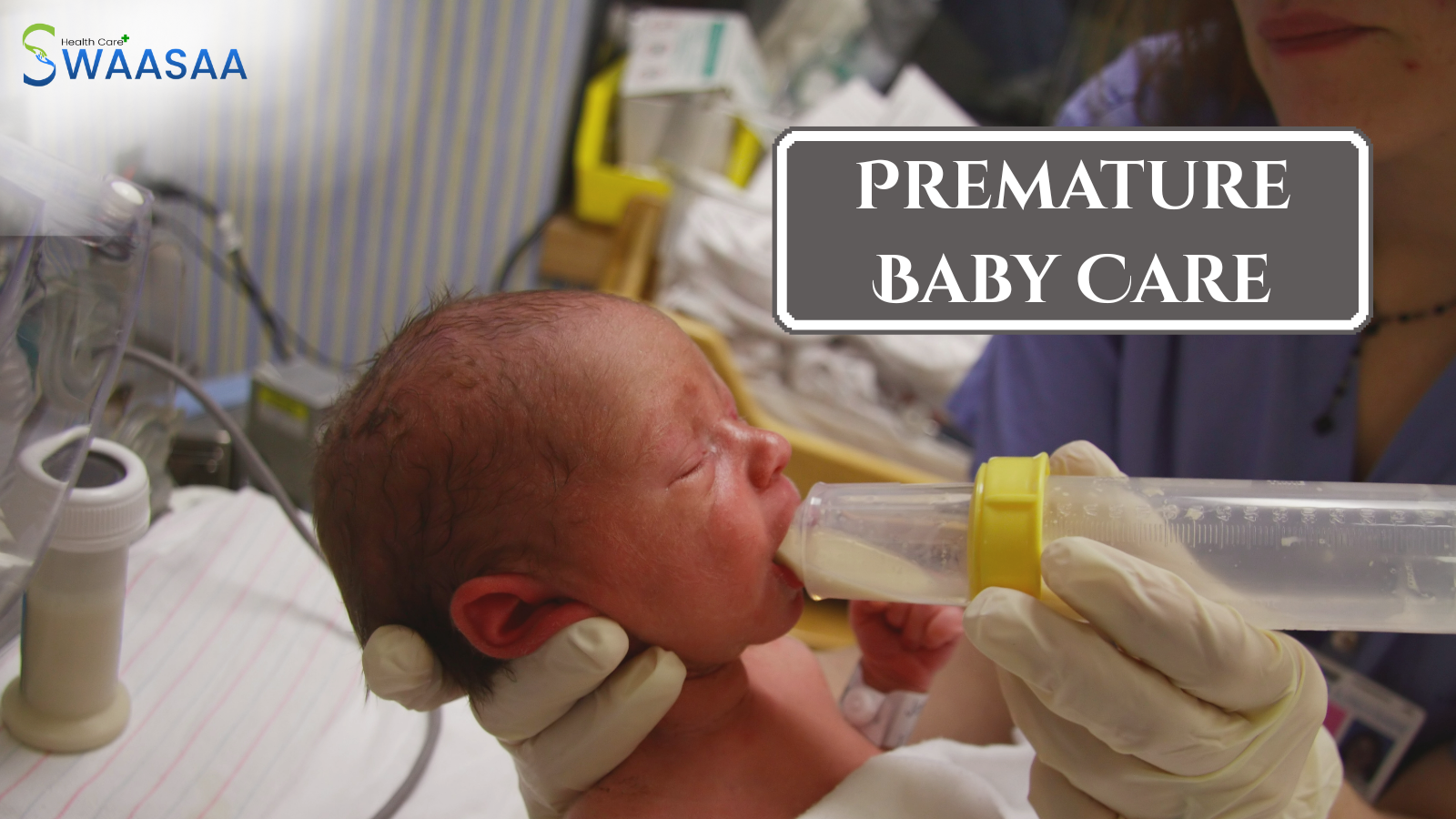
A nurse gently feeding a premature baby with a tube of mother’s milk.

Bringing a premature baby home is a moment you never forget. There’s joy, yes – but also a quiet nervousness that settles in once the door closes behind you. Your baby is finally home, yet they feel so tiny, so delicate, that you find yourself watching every breath, every stretch, every little sound.

Babies born before 37 weeks arrive before their bodies are fully ready for the outside world. In 2024 alone, nearly 15 million babies worldwide were born prematurely – about one in every ten births. Still, when it’s your child, the statistics don’t matter. What matters is learning how to care for them, how to protect them, and how to help them grow. This is where premature baby care at home becomes both a responsibility and a deeply emotional journey.

Warmth becomes your first priority

Premature babies lose body heat quickly. Their skin is thinner, and they don’t yet have the fat stores that help full-term babies stay warm. You’ll notice yourself checking their hands and feet often, adjusting blankets, worrying if the room feels too cool.

Soft cotton clothes help – nothing tight or heavy. A cap, socks, and breathable layers go a long way. Keep the room comfortably warm, ideally between 25–28°C. Avoid cold drafts and direct air from fans or ACs.

And then there’s skin-to-skin contact. Holding your baby against your chest does more than keep them warm. Their breathing steadies. Their heartbeat slows. And for a while, the anxiety eases – for both of you.

Feeding isn’t always easy and that’s okay

Feeding a premature baby takes time. Sometimes feeds are slow. Sometimes they feel never-ending. Their stomachs are tiny, and they get tired quickly.

Breast milk, when available, is incredibly powerful. It supports weight gain, strengthens immunity, and helps your baby mature faster. If direct breastfeeding isn’t possible right away, doctors may suggest alternative feeding methods. That doesn’t mean something is wrong – it just means your baby needs a gentler approach.

Small, frequent feeds – every two to three hours, even at night – are common. After feeding, hold your baby upright and burp gently. Over time, you’ll learn their signals. Parents always do.

Kangaroo Mother Care: closeness that heals

Kangaroo Mother Care sounds clinical, but it’s simply about closeness. Skin-to-skin contact, baby resting on your chest.

It helps regulate temperature, improves breathing, supports weight gain, and strengthens bonding. Fathers can – and should – be part of this too. Babies recognize familiar voices and heartbeats. They feel safe there.

In many ways, this simple practice becomes the heart of premature baby care at home.

Protecting your baby from infections

Premature babies have weaker immune systems, so infection prevention becomes part of daily life.

Handwashing becomes second nature. Visitors are limited. Anyone with a cough, cold, or fever waits. Bottles, pacifiers, and toys are cleaned regularly. Vaccinations are followed strictly, just as your pediatrician advises.

These small routines may feel repetitive, but they quietly protect your baby every single day.

Sleep: simple and safe

Sleep is when your baby grows, but safety always comes first. Place your baby on their back to sleep – this reduces the risk of SIDS.

Keep the crib simple: a firm mattress, a fitted sheet, nothing extra. No pillows, no soft toys, no heavy blankets. A calm, dim room helps your baby slowly learn the difference between day and night.

A gentle reminder

Caring for a premature baby at home isn’t about being perfect. It’s about consistency, love, and showing up even when you’re tired. Some days will feel overwhelming. Other days, a small milestone – a better feed, a slight weight gain – will remind you how far your baby has come.

With compassionate guidance and trusted support from Swaasaa Healthcare, parents don’t have to navigate premature baby care at home alone. And slowly, steadily, your tiny fighter grows stronger – right where they belong.

How Baby Care for Home Quietly Supports Newborn Health

Baby Care for Home

The First Days at Home Are Never as Calm as They Look

I’ve worked with newborns and new parents for over a decade, and there’s one thing I’ve learned early on: the moment a baby comes home, everything shifts. Not loudly. Not dramatically. Just deeply.

Parents don’t always say it out loud, but those first weeks are filled with second-guessing. Is the baby feeding enough? Is that cry normal? Should they be sleeping this much – or not at all? Love is there, of course. So is fear.

This is where Baby Care for Home steps in – not to control the situation, but to steady it.

Why Home Matters More Than People Realize

Newborns respond to familiarity long before they understand faces. The smell of the room. The way light falls in the afternoon. The same hands lifting them again and again.

A baby care taker at home works within that familiarity. No new environment. No constant adjustment. Just care that fits into the baby’s world instead of pulling the baby into someone else’s routine.

I’ve seen babies settle faster simply because they didn’t have to adapt to change on top of change.

Hygiene, Handled Without Fuss

In newborn care, hygiene is non-negotiable – but it doesn’t need drama.

Experienced caregivers don’t rush diaper changes or feeding prep. They wash their hands instinctively. They clean bottles properly, every time. They notice early signs of diaper rash or irritation and adjust before it becomes a problem.

This is the unglamorous side of nanny care services, but it’s also the foundation of newborn health. Most early infections don’t come from big mistakes. They come from small things done inconsistently.

Feeding Is Where Experience Shows

Feeding is often where parents feel the most unsure. Books make it sound simple. Reality rarely is.

Some babies feed too fast. Some swallow air. Some cry and everyone assumes hunger, when it’s actually discomfort. A seasoned professional offering nanny services for baby care doesn’t rely on guesswork. They watch. They wait. They adjust.

I’ve seen babies labeled “fussy” calm down within days once feeding positions and pacing were corrected. No medicine. Just attention.

Sleep Isn’t About Forcing a Schedule

One of the biggest misconceptions I still encounter is the idea that babies need to be “trained” early.

They don’t.

They need consistency, calm handling, and someone who knows when to step back. A good nanny care services professional understands that overstimulation often causes more sleep issues than lack of routine.

Over time, babies begin to rest longer. Parents begin to relax. The house stops feeling like it’s always on edge.

The Quiet Skill: Noticing Change Early

One of the most valuable things a baby care taker at home brings is observation.

Don’t panic. No diagnosis. Just awareness.

A slightly different cry. A feed skipped without reason. A restlessness that wasn’t there yesterday. These signs don’t always mean something is wrong—but noticing them early often prevents bigger concerns later.

That kind of awareness only comes from experience, not checklists.

Parents Need Care Too (Even If They Don’t Ask)

This is something I wish more people talked about.

Newborn health is closely tied to parental wellbeing. Exhausted parents miss cues. Overwhelmed parents doubt themselves. Good Nanny Care Services don’t replace parents—they support them.

When parents rest, recover, and feel reassured, they show up better for their baby. I’ve seen confidence grow simply because someone else was there to say, “This is normal.”

What Baby Care for Home Really Creates

It doesn’t create perfect babies.
It doesn’t promise easy days.
And it certainly doesn’t remove all worry.

What it creates is balance.

Baby Care for Home gives families breathing room during the most delicate phase of life. It allows babies to grow in familiar surroundings and parents to learn without pressure.

After years in this field, I can say this with certainty: the quiet, consistent support of home-based care often shapes a healthier start than any rigid routine ever could.

And in the long run, that gentle beginning matters more than people think.

Seniors Winter Care at Home: Important Tips & Guidance

Seniors Winter Care at Home: Important Tips & Guidance

A Winter Reality Many Families Quietly Experience

Every winter, most families feel they’re prepared—warm sweaters are out, heaters are working, and extra blankets are ready. Yet, somehow, seniors still fall sick, start struggling with breathing issues, complain of aching joints, feel unusually weak, or even experience dangerous falls. It’s heartbreaking, especially when we realize many of these situations were preventable.

Winter simply doesn’t treat older adults the same way it treats everyone else. Their bodies lose heat faster, immunity isn’t as strong, balance isn’t as steady, and existing health conditions can flare up without warning. But with mindful Seniors Winter Care at Home, a lot of winter trouble can be avoided with the right planning, awareness, and compassion.

Why Winter Can Be Tough on Seniors

Growing older changes how the body responds to cold. Reduced immunity, slower reflexes, weaker bones, and poor circulation make winter a season to take seriously.

Common winter risks seniors face include:

  • Hypothermia and dangerously low body temperature
  • Colds, flu, pneumonia, and breathing problems
  • Severe joint pain and stiffness
  • Dehydration
  • Low strength and reduced mobility
  • Higher chances of falls
  • Worsening heart, lung, and diabetic conditions

Understanding these risks early can make Elderly Winter Care at Home safer and far more effective.

Keeping Seniors Warm & Truly Comfortable Indoors

Winter safety isn’t just about switching on a heater. It’s about creating steady warmth that feels safe, gentle, and consistent.

Practical Warmth & Comfort Measures

  • Choose light, layered clothing instead of one heavy sweater
  • Use thermal wear, soft socks, scarves, and caps indoors if needed
  • Maintain a comfortable room temperature—avoid extreme heating
  • Provide cozy bedding like flannel sheets and warm quilts
  • Avoid direct hot blower air on the face—it can irritate the throat and skin
  • Keep bathrooms warm and safe; many winter illnesses begin there

👉 If a senior shows unusual sleepiness, confusion, excessive shivering, or bluish lips or fingers, don’t wait—seek medical care immediately.

Preventing Common Winter Health Problems in Seniors

Respiratory & Flu Prevention

  • Consult doctors regarding recommended vaccines
  • Keep rooms clean and well-ventilated
  • Avoid smoke exposure entirely
  • Prevent sudden exposure to cold air

Joint Pain & Stiffness Care

  • Encourage gentle physical movement
  • Use warm compresses when appropriate
  • Ensure supportive, comfortable seating
  • Provide non-slip, comfortable winter footwear

Skin Care & Protection

  • Moisturize regularly
  • Avoid very hot baths—lukewarm water is safer
  • Use mild, skin-friendly soaps

Nutrition, Hydration & Immunity Support

Winter sometimes reduces appetite, but the body still needs strength, warmth, and energy.

Safe Winter Diet Tips

  • Warm freshly cooked meals—soups, porridges, lentils, or light khichdi
  • Soft, protein-rich food that’s easy to digest
  • Smaller but frequent meals if appetite is low
  • Fiber-rich foods to prevent constipation

Hydration Still Matters in Winter

Just because seniors don’t feel thirsty doesn’t mean their body doesn’t need water.

Encourage:

  • Warm water
  • Soups
  • Mild herbal drinks

Avoid excessive caffeine, and always watch for dehydration signs like dry mouth, fatigue, or dizziness. Balanced food and hydration remain the foundation of Winter health care for seniors.

Movement Matters: Gentle Exercise & Chair Yoga

Winter often makes seniors sit more, move less, and gradually lose strength. That affects everything—circulation, mood, sleep, and mobility.

Safe Ways to Stay Active

  • Light indoor walking
  • Simple stretching exercises
  • Chair yoga for aged care, especially for weak or tired seniors
  • Gentle leg and ankle movements for those with limited mobility

Always keep movement slow, safe, and doctor-approved if needed. Never push through pain.

Fall Prevention: A Priority in Winter

Falls can change a senior’s life overnight, and winter unfortunately makes the risk higher.

Essential Elderly Safety in Winter

  • Use non-slip footwear
  • Keep the home well-lit
  • Remove loose rugs and clutter
  • Install railings and grab bars in bathrooms
  • Keep bathroom floors dry
  • Encourage walking aids if recommended

Never ignore dizziness, imbalance, or fear of falling. These are warning signs.

Emotional & Mental Well-Being Matters Too

Winter can also feel emotionally cold. Seniors may feel lonelier, quieter, or withdrawn. Sometimes, they just want warmth—not from heaters, but from people.

Encourage:

  • Family conversations
  • Light hobbies and enjoyable activities
  • Music, reading, or peaceful entertainment
  • Supportive companionship

Emotional warmth is a real part of Senior winter care at home.

When Should You Consider Professional Home Care Services?

There comes a time when professional help isn’t a luxury—it’s simply the safest option.

Home healthcare becomes valuable when:

  • Seniors need help with bathing, movement, or daily care
  • They’re recovering from illness or hospitalization
  • Chronic conditions require careful monitoring
  • Families cannot offer full-time supervision
  • Structured, reliable Home care for elderly in winter feels necessary

Trained caregivers bring safety, reassurance, companionship, medical reminders, and dignity.

Do’s & Don’ts of Senior Winter Care

✅ Do’s

  • Maintain warmth—comfortably, not excessively
  • Encourage healthy food and hydration
  • Support gentle daily movement
  • Keep the home clutter-free
  • Monitor health regularly
  • Respond quickly to unusual symptoms

❌ Don’ts

  • Don’t ignore cough, fever, breathlessness, or confusion
  • Don’t place extremely hot water bags directly on skin
  • Don’t leave seniors unattended in bathrooms
  • Don’t assume “they’ll manage”

Final Thought: Winter Care Is Love, Responsibility & Respect

Seniors Winter Care at Home isn’t just seasonal preparation—it’s an expression of care. With the right warmth, nutrition, movement, safety habits, and professional support when required, seniors can face winter comfortably, confidently, and with dignity.

If you’d like more personalized guidance, tell me your city, weather conditions, and your elder’s health background. I’ll be happy to help you plan winter care that truly works for your loved one.

Common Causes of Back Pain in Women

A woman holding her lower back pain, showing where the spine hurts to explain back pain in women.

Back pain is something almost everyone goes through at some point, but for many women, they also find relief through physiotherapy at home and guided exercise. It’s not just “a sore back.” It’s something that shows up during busy mornings, stressful workdays, motherhood, hormonal shifts—basically during life itself. Studies keep reminding us that women are more likely than men to deal with chronic back pain and often feel it more intensely too. And as we move through this era of long desk hours, hybrid jobs, and constantly shifting health priorities, understanding why women experience back pain differently has never felt more important.

From major life chapters like pregnancy and menopause to everyday influences like posture, stress, or even the bags we carry, women’s bodies quietly handle a lot. If you’ve been living with that constant dull ache, a sharp pinch when you move, or a pain that refuses to fade, you’re definitely not alone. Let’s talk through some of the most common reasons back pain affects women—and what can realistically help.

1. Hormones and the Monthly Cycle

For many women, back pain doesn’t just “show up”—it follows a rhythm. Hormones like estrogen and progesterone do far more than manage the reproductive system; they also influence muscle tension and how the body interprets pain.
During menstruation, the body releases prostaglandins to help with uterine contractions, but these same chemicals can send pain signals spiraling into the lower back. Women dealing with PMDD often describe their back pain as sharper and more emotionally draining during certain phases of their cycle. It’s not “in your head”—your body is literally responding to chemical shifts.

2. Pregnancy and Life After Birth

Pregnancy changes everything—especially the spine. As the baby grows, the center of gravity moves forward, and the body instinctively leans back, forcing the lower back to work overtime. Add to that the hormone relaxin, which softens ligaments to prepare for childbirth but can also loosen spinal support, and pain becomes almost inevitable.
Then comes the postpartum phase—lifting your baby, bending repeatedly, breastfeeding while hunched forward, sleeping less… (postpartum recovery and support are crucial) it all puts tremendous pressure on the back. Recovery takes patience, and sometimes, intentional strengthening.

3. Menopause and Bone Health

When menopause approaches, estrogen levels drop, and with it comes another concern: bone density. Weakening vertebrae can lead to silent compression fractures or persistent back discomfort. Spinal discs may also lose cushioning as estrogen decreases, which can bring stiffness, aching, or ongoing degenerative back issues. It’s one of those changes no one warns women about enough—but it matters.

4. Gynecological Conditions That Show Up as Back Pain

Sometimes back pain isn’t about muscles at all—it’s something deeper.
Endometriosis can cause deep, radiating back pain. Fibroids may physically press on nerves. Chronic pelvic infections like PID can quietly sit in the background as a constant heavy ache. When your back pain doesn’t behave like “normal” muscle pain, it’s worth listening to those signals.

5. Fashion, Footwear, and the Bags We Carry

It sounds superficial until it isn’t. High heels change posture, tilt the pelvis, and force the spine into unnatural positioning. And then there’s the iconic oversized handbag—heavy, always thrown on one shoulder, subtly pulling the spine sideways. Over time, these small everyday habits add up.

6. Sedentary Work and Poor Posture

Modern work life means endless hours sitting, often in chairs that aren’t supportive, staring at screens that aren’t at eye level. “Tech neck,” rounded shoulders, tight upper back muscles—these aren’t buzzwords. They’re everyday realities for countless women who are simply trying to get through work.

7. Stress, Emotions, and the Mind–Body Connection

Women carry a lot—emotionally and physically. Balancing family, careers, responsibilities, expectations… it takes a toll. Chronic stress keeps the body in survival mode, tightening muscles in the neck, shoulders, and back. Eventually, that tension stops being temporary and becomes chronic pain.

What Actually Helps

Back pain usually needs more than one solution—it needs a thoughtful plan:

  • Build a stronger core so the spine feels supported. Gentle yoga, Pilates, or guided strengthening can help.
    • Improve ergonomics: better chairs, better posture, better screen height.
    • Choose footwear that loves your spine, not just your outfit.
    • And if the pain lingers, worsens, or feels unsettling, see a doctor or a women’s health physiotherapist. Professional support can make an enormous difference.

When to Seek Urgent Help

Don’t wait—get medical care immediately if you experience:
• Sudden weakness or numbness in your legs
• Loss of bladder or bowel control
• Pain so severe it disrupts sleep or movement
• Back pain with unexplained fever or weight loss

Final Thoughts

Back pain in women rarely comes from just one cause. It’s usually a blend of biology, lifestyle, and life stages intertwining. Understanding what’s really happening inside your body isn’t just empowering—it’s the first step toward healing, moving freely again, and living without constantly worrying about your back.

If this is something you’re going through, you deserve care, patience, and relief. And you’re far from alone.