A Winter Reality Many Families Quietly Experience
Every winter, most families feel they’re prepared—warm sweaters are out, heaters are working, and extra blankets are ready. Yet, somehow, seniors still fall sick, start struggling with breathing issues, complain of aching joints, feel unusually weak, or even experience dangerous falls. It’s heartbreaking, especially when we realize many of these situations were preventable.
Winter simply doesn’t treat older adults the same way it treats everyone else. Their bodies lose heat faster, immunity isn’t as strong, balance isn’t as steady, and existing health conditions can flare up without warning. But with mindful Seniors Winter Care at Home, a lot of winter trouble can be avoided with the right planning, awareness, and compassion.
Why Winter Can Be Tough on Seniors
Growing older changes how the body responds to cold. Reduced immunity, slower reflexes, weaker bones, and poor circulation make winter a season to take seriously.
Common winter risks seniors face include:
- Hypothermia and dangerously low body temperature
- Colds, flu, pneumonia, and breathing problems
- Severe joint pain and stiffness
- Dehydration
- Low strength and reduced mobility
- Higher chances of falls
- Worsening heart, lung, and diabetic conditions
Understanding these risks early can make Elderly Winter Care at Home safer and far more effective.
Keeping Seniors Warm & Truly Comfortable Indoors
Winter safety isn’t just about switching on a heater. It’s about creating steady warmth that feels safe, gentle, and consistent.
Practical Warmth & Comfort Measures
- Choose light, layered clothing instead of one heavy sweater
- Use thermal wear, soft socks, scarves, and caps indoors if needed
- Maintain a comfortable room temperature—avoid extreme heating
- Provide cozy bedding like flannel sheets and warm quilts
- Avoid direct hot blower air on the face—it can irritate the throat and skin
- Keep bathrooms warm and safe; many winter illnesses begin there
👉 If a senior shows unusual sleepiness, confusion, excessive shivering, or bluish lips or fingers, don’t wait—seek medical care immediately.
Preventing Common Winter Health Problems in Seniors
Respiratory & Flu Prevention
- Consult doctors regarding recommended vaccines
- Keep rooms clean and well-ventilated
- Avoid smoke exposure entirely
- Prevent sudden exposure to cold air
Joint Pain & Stiffness Care
- Encourage gentle physical movement
- Use warm compresses when appropriate
- Ensure supportive, comfortable seating
- Provide non-slip, comfortable winter footwear
Skin Care & Protection
- Moisturize regularly
- Avoid very hot baths—lukewarm water is safer
- Use mild, skin-friendly soaps
Nutrition, Hydration & Immunity Support
Winter sometimes reduces appetite, but the body still needs strength, warmth, and energy.
Safe Winter Diet Tips
- Warm freshly cooked meals—soups, porridges, lentils, or light khichdi
- Soft, protein-rich food that’s easy to digest
- Smaller but frequent meals if appetite is low
- Fiber-rich foods to prevent constipation
Hydration Still Matters in Winter
Just because seniors don’t feel thirsty doesn’t mean their body doesn’t need water.
Encourage:
- Warm water
- Soups
- Mild herbal drinks
Avoid excessive caffeine, and always watch for dehydration signs like dry mouth, fatigue, or dizziness. Balanced food and hydration remain the foundation of Winter health care for seniors.
Movement Matters: Gentle Exercise & Chair Yoga
Winter often makes seniors sit more, move less, and gradually lose strength. That affects everything—circulation, mood, sleep, and mobility.
Safe Ways to Stay Active
- Light indoor walking
- Simple stretching exercises
- Chair yoga for aged care, especially for weak or tired seniors
- Gentle leg and ankle movements for those with limited mobility
Always keep movement slow, safe, and doctor-approved if needed. Never push through pain.
Fall Prevention: A Priority in Winter
Falls can change a senior’s life overnight, and winter unfortunately makes the risk higher.
Essential Elderly Safety in Winter
- Use non-slip footwear
- Keep the home well-lit
- Remove loose rugs and clutter
- Install railings and grab bars in bathrooms
- Keep bathroom floors dry
- Encourage walking aids if recommended
Never ignore dizziness, imbalance, or fear of falling. These are warning signs.
Emotional & Mental Well-Being Matters Too
Winter can also feel emotionally cold. Seniors may feel lonelier, quieter, or withdrawn. Sometimes, they just want warmth—not from heaters, but from people.
Encourage:
- Family conversations
- Light hobbies and enjoyable activities
- Music, reading, or peaceful entertainment
- Supportive companionship
Emotional warmth is a real part of Senior winter care at home.
When Should You Consider Professional Home Care Services?
There comes a time when professional help isn’t a luxury—it’s simply the safest option.
Home healthcare becomes valuable when:
- Seniors need help with bathing, movement, or daily care
- They’re recovering from illness or hospitalization
- Chronic conditions require careful monitoring
- Families cannot offer full-time supervision
- Structured, reliable Home care for elderly in winter feels necessary
Trained caregivers bring safety, reassurance, companionship, medical reminders, and dignity.
Do’s & Don’ts of Senior Winter Care
✅ Do’s
- Maintain warmth—comfortably, not excessively
- Encourage healthy food and hydration
- Support gentle daily movement
- Keep the home clutter-free
- Monitor health regularly
- Respond quickly to unusual symptoms
❌ Don’ts
- Don’t ignore cough, fever, breathlessness, or confusion
- Don’t place extremely hot water bags directly on skin
- Don’t leave seniors unattended in bathrooms
- Don’t assume “they’ll manage”
Final Thought: Winter Care Is Love, Responsibility & Respect
Seniors Winter Care at Home isn’t just seasonal preparation—it’s an expression of care. With the right warmth, nutrition, movement, safety habits, and professional support when required, seniors can face winter comfortably, confidently, and with dignity.
If you’d like more personalized guidance, tell me your city, weather conditions, and your elder’s health background. I’ll be happy to help you plan winter care that truly works for your loved one.
Popular Posts

Symptoms of COVID-19







Elderly Care Tips at Home

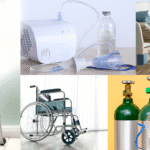
Renting Medical Equipment for home care