Bringing a premature baby home is a moment you never forget. There’s joy, yes – but also a quiet nervousness that settles in once the door closes behind you. Your baby is finally home, yet they feel so tiny, so delicate, that you find yourself watching every breath, every stretch, every little sound.
Babies born before 37 weeks arrive before their bodies are fully ready for the outside world. In 2024 alone, nearly 15 million babies worldwide were born prematurely – about one in every ten births. Still, when it’s your child, the statistics don’t matter. What matters is learning how to care for them, how to protect them, and how to help them grow. This is where premature baby care at home becomes both a responsibility and a deeply emotional journey.
Warmth becomes your first priority
Premature babies lose body heat quickly. Their skin is thinner, and they don’t yet have the fat stores that help full-term babies stay warm. You’ll notice yourself checking their hands and feet often, adjusting blankets, worrying if the room feels too cool.
Soft cotton clothes help – nothing tight or heavy. A cap, socks, and breathable layers go a long way. Keep the room comfortably warm, ideally between 25–28°C. Avoid cold drafts and direct air from fans or ACs.
And then there’s skin-to-skin contact. Holding your baby against your chest does more than keep them warm. Their breathing steadies. Their heartbeat slows. And for a while, the anxiety eases – for both of you.
Feeding isn’t always easy and that’s okay
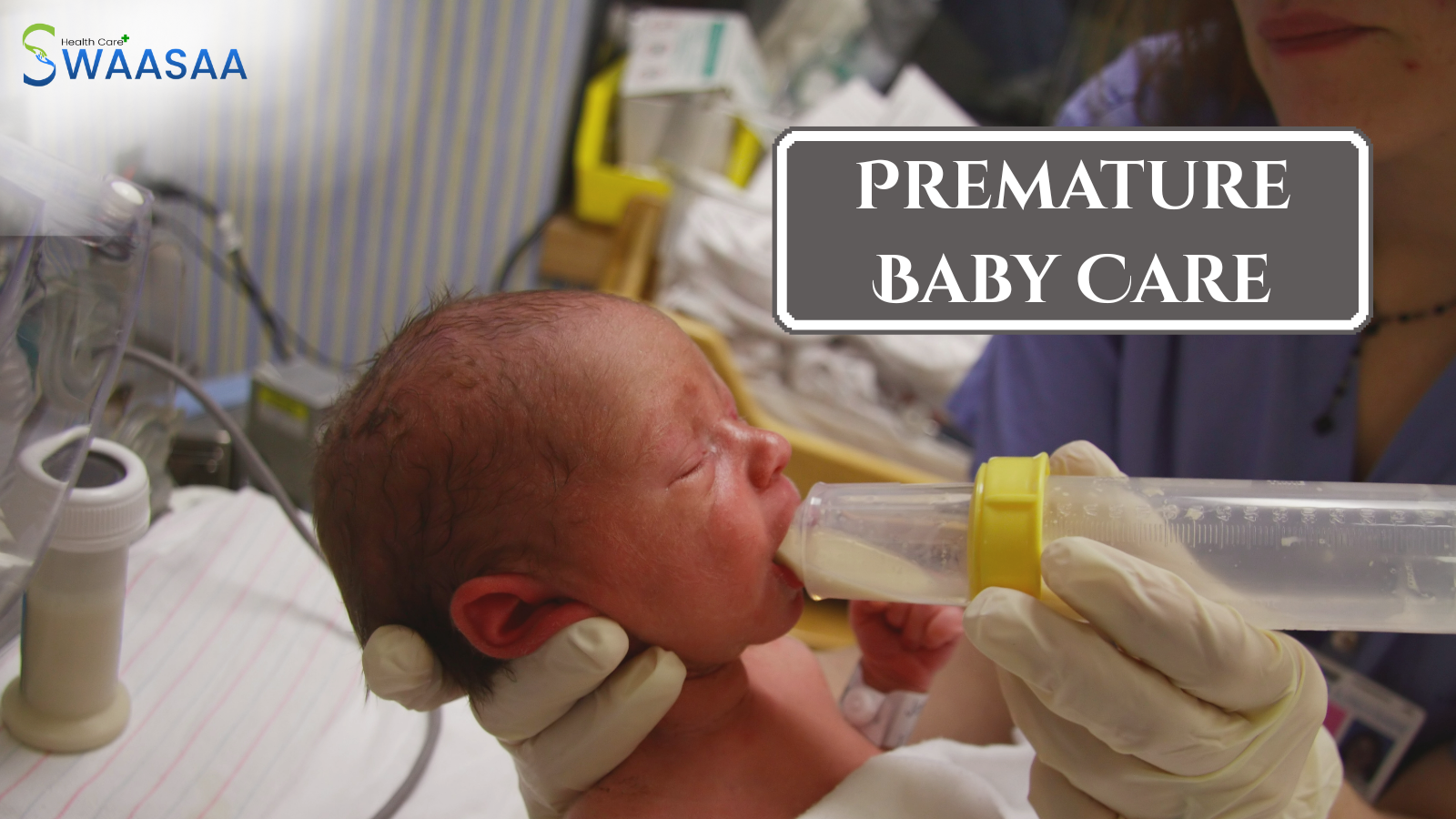
Feeding a premature baby takes time. Sometimes feeds are slow. Sometimes they feel never-ending. Their stomachs are tiny, and they get tired quickly.
Breast milk, when available, is incredibly powerful. It supports weight gain, strengthens immunity, and helps your baby mature faster. If direct breastfeeding isn’t possible right away, doctors may suggest alternative feeding methods. That doesn’t mean something is wrong – it just means your baby needs a gentler approach.
Small, frequent feeds – every two to three hours, even at night – are common. After feeding, hold your baby upright and burp gently. Over time, you’ll learn their signals. Parents always do.
Kangaroo Mother Care: closeness that heals
Kangaroo Mother Care sounds clinical, but it’s simply about closeness. Skin-to-skin contact, baby resting on your chest.
It helps regulate temperature, improves breathing, supports weight gain, and strengthens bonding. Fathers can – and should – be part of this too. Babies recognize familiar voices and heartbeats. They feel safe there.
In many ways, this simple practice becomes the heart of premature baby care at home.
Protecting your baby from infections
Premature babies have weaker immune systems, so infection prevention becomes part of daily life.
Handwashing becomes second nature. Visitors are limited. Anyone with a cough, cold, or fever waits. Bottles, pacifiers, and toys are cleaned regularly. Vaccinations are followed strictly, just as your pediatrician advises.
These small routines may feel repetitive, but they quietly protect your baby every single day.
Sleep: simple and safe
Sleep is when your baby grows, but safety always comes first. Place your baby on their back to sleep – this reduces the risk of SIDS.
Keep the crib simple: a firm mattress, a fitted sheet, nothing extra. No pillows, no soft toys, no heavy blankets. A calm, dim room helps your baby slowly learn the difference between day and night.
A gentle reminder
Caring for a premature baby at home isn’t about being perfect. It’s about consistency, love, and showing up even when you’re tired. Some days will feel overwhelming. Other days, a small milestone – a better feed, a slight weight gain – will remind you how far your baby has come.
With compassionate guidance and trusted support from Swaasaa Healthcare, parents don’t have to navigate premature baby care at home alone. And slowly, steadily, your tiny fighter grows stronger – right where they belong.