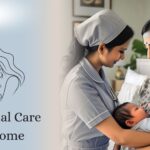
The First Days at Home Are Never as Calm as They Look
I’ve worked with newborns and new parents for over a decade, and there’s one thing I’ve learned early on: the moment a baby comes home, everything shifts. Not loudly. Not dramatically. Just deeply.
Parents don’t always say it out loud, but those first weeks are filled with second-guessing. Is the baby feeding enough? Is that cry normal? Should they be sleeping this much – or not at all? Love is there, of course. So is fear.
This is where Baby Care for Home steps in – not to control the situation, but to steady it.
Why Home Matters More Than People Realize
Newborns respond to familiarity long before they understand faces. The smell of the room. The way light falls in the afternoon. The same hands lifting them again and again.
A baby care taker at home works within that familiarity. No new environment. No constant adjustment. Just care that fits into the baby’s world instead of pulling the baby into someone else’s routine.
I’ve seen babies settle faster simply because they didn’t have to adapt to change on top of change.
Hygiene, Handled Without Fuss
In newborn care, hygiene is non-negotiable – but it doesn’t need drama.
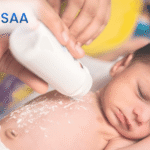
Experienced caregivers don’t rush diaper changes or feeding prep. They wash their hands instinctively. They clean bottles properly, every time. They notice early signs of diaper rash or irritation and adjust before it becomes a problem.
This is the unglamorous side of nanny care services, but it’s also the foundation of newborn health. Most early infections don’t come from big mistakes. They come from small things done inconsistently.
Feeding Is Where Experience Shows
Feeding is often where parents feel the most unsure. Books make it sound simple. Reality rarely is.
Some babies feed too fast. Some swallow air. Some cry and everyone assumes hunger, when it’s actually discomfort. A seasoned professional offering nanny services for baby care doesn’t rely on guesswork. They watch. They wait. They adjust.
I’ve seen babies labeled “fussy” calm down within days once feeding positions and pacing were corrected. No medicine. Just attention.
Sleep Isn’t About Forcing a Schedule
One of the biggest misconceptions I still encounter is the idea that babies need to be “trained” early.
They don’t.
They need consistency, calm handling, and someone who knows when to step back. A good nanny care services professional understands that overstimulation often causes more sleep issues than lack of routine.
Over time, babies begin to rest longer. Parents begin to relax. The house stops feeling like it’s always on edge.
The Quiet Skill: Noticing Change Early
One of the most valuable things a baby care taker at home brings is observation.
Don’t panic. No diagnosis. Just awareness.
A slightly different cry. A feed skipped without reason. A restlessness that wasn’t there yesterday. These signs don’t always mean something is wrong—but noticing them early often prevents bigger concerns later.
That kind of awareness only comes from experience, not checklists.
Parents Need Care Too (Even If They Don’t Ask)
This is something I wish more people talked about.
Newborn health is closely tied to parental wellbeing. Exhausted parents miss cues. Overwhelmed parents doubt themselves. Good Nanny Care Services don’t replace parents—they support them.
When parents rest, recover, and feel reassured, they show up better for their baby. I’ve seen confidence grow simply because someone else was there to say, “This is normal.”
What Baby Care for Home Really Creates
It doesn’t create perfect babies.
It doesn’t promise easy days.
And it certainly doesn’t remove all worry.
What it creates is balance.
Baby Care for Home gives families breathing room during the most delicate phase of life. It allows babies to grow in familiar surroundings and parents to learn without pressure.
After years in this field, I can say this with certainty: the quiet, consistent support of home-based care often shapes a healthier start than any rigid routine ever could.
And in the long run, that gentle beginning matters more than people think.
Popular Posts

Symptoms of COVID-19





Elderly Care Tips at Home

Renting Medical Equipment for home care