In recent years, home healthcare has transformed from a supportive service into a full-fledged medical solution, and at the heart of this transformation is home care technology. From smart devices to virtual doctor visits, the future of healthcare is unfolding right at our doorsteps.
In 2025, the combination of artificial intelligence (AI), telehealth, and remote monitoring will not just enhance care, it will also make healthcare more accessible, affordable, and personalized for patients of all ages. Let us take a closer look at the latest tech trends in home care that are reshaping how we heal and thrive at home.
Home care technology: More Intelligent, Efficient, and Personalized
One of the most exciting changes in home care technology is the rise of AI-powered systems. These intelligent tools are helping caregivers and healthcare providers at home understand patient needs better and faster.
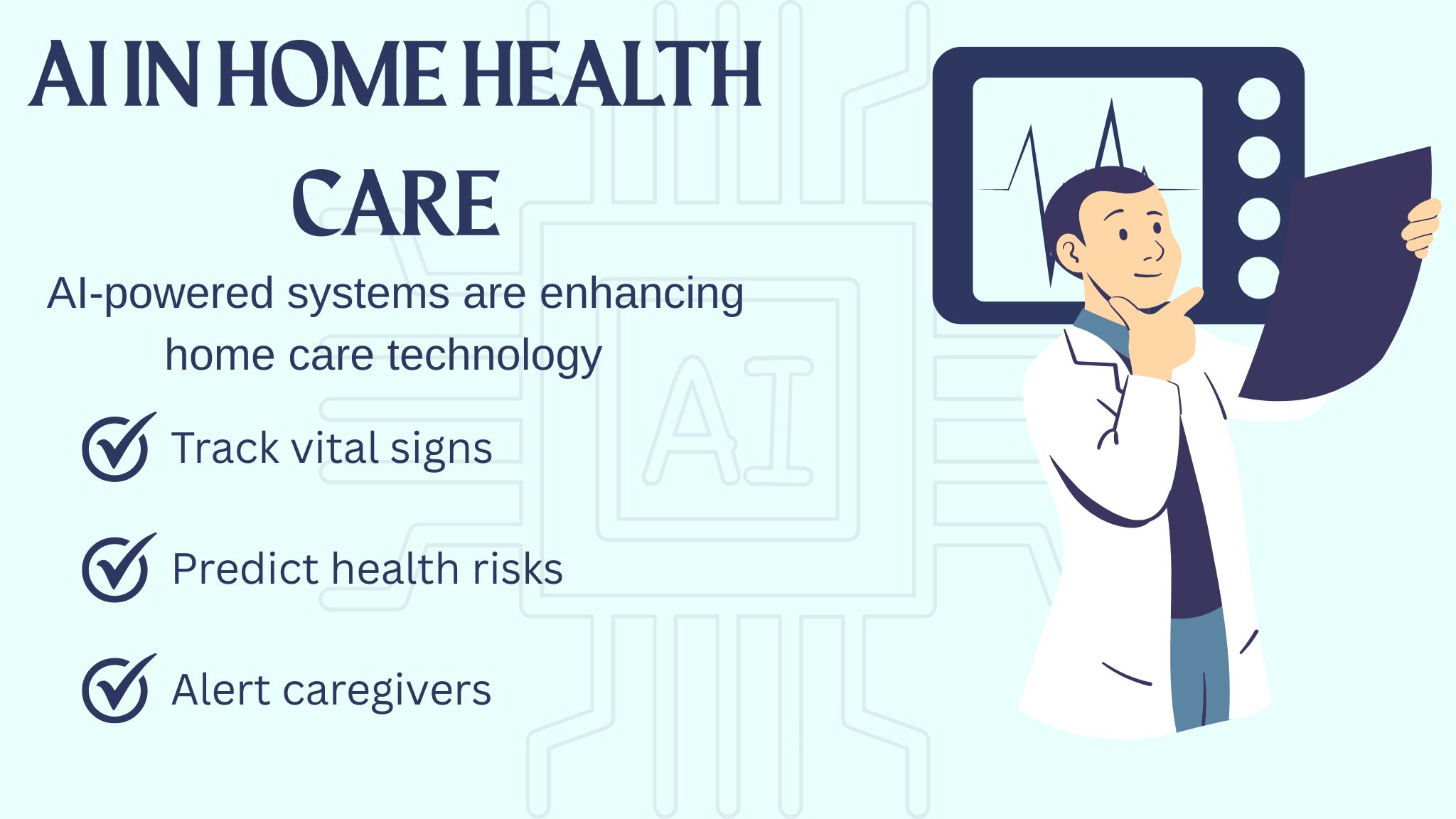
For example, AI can now:
- Monitor vital signs, such as heart rate and oxygen levels, in real-time.
- Prediction of health risks early by studying patterns in patient data
- Alert caregivers before an emergency happens
This means fewer hospital visits and better safety for people recovering at home, especially elderly or chronically ill patients.
What makes AI truly valuable is how it adapts learning from a patient’s habits, preferences, and conditions. It supports families and nurses by taking care of routine check-ins and spotting warning signs early, so help can be provided before problems worsen.
Telehealth: Doctor Visits Without Leaving Home
Telehealth is becoming a necessity rather than a high standard. With just a smartphone or tablet, patients can now consult doctors, therapists, or specialists from home. This trend gained significant momentum during the pandemic, and by 2025, it became a permanent aspect of everyday healthcare. Whether for follow-up care after surgery, mental health support, or managing chronic conditions like diabetes, teleconsultations save time, travel, and costs. They’re especially helpful for:
- Elderly patients with mobility issues
- People living in remote areas
- Families juggling busy schedules
Through secure video calls and online prescriptions, telehealth bridges the gap between medical expertise and home comfort. You can always explore more for such home care services.
Remote Patient Monitoring: Care That Watches Over You
Another advancement in home health solutions is remote patient monitoring (RPM). Using simple wearable devices like fitness bands or Bluetooth-enabled machines patients can share their daily health data with doctors in real-time.
This is changing how we manage:
- Blood pressure
- Sugar levels
- Oxygen saturation
- Medication reminders
RPM ensures patients are always under medical observation without being confined to a hospital. It gives families peace of mind and lets doctors intervene only when necessary.
As technology improves, these devices are becoming more affordable and user-friendly, even for people who aren’t tech-savvy. It’s like having a silent nurse by your side, 24/7. You can get required medical equipment on rent, Check out.
The Bigger Picture: What it Means for Families and Patients
These technologies aren’t just about gadgets they’re about freedom, dignity, and proactive care. For families who once had to choose between hospital care and doing it all alone, today’s tools offer the best of both worlds.
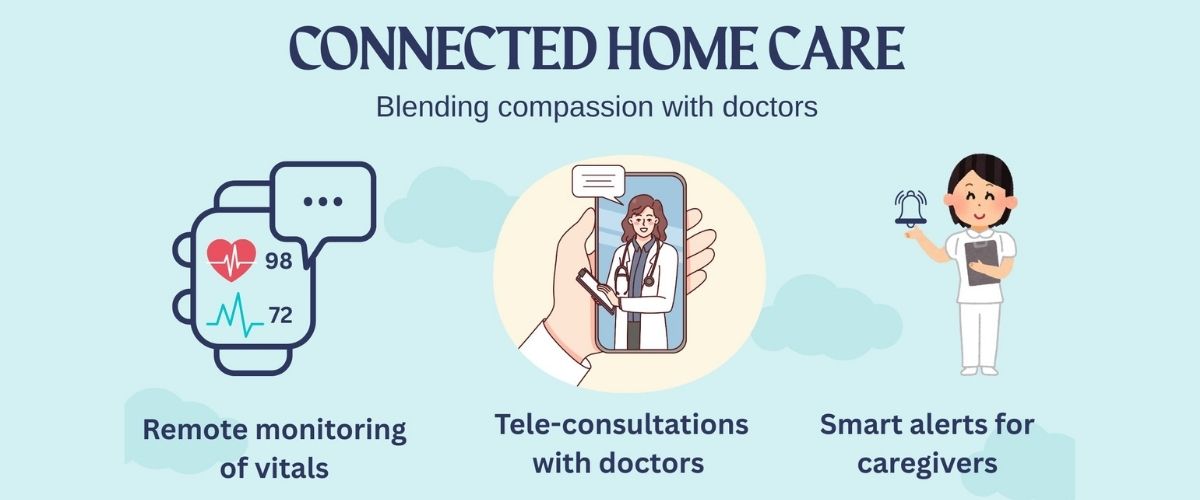
Imagine this a grandmother recovering from surgery wears a smartwatch that sends daily reports to her doctor. She speaks to her physiotherapist over video and takes medication with reminders from a voice assistant. Her children, even if they live far away, can check on her health dashboard and feel reassured.
Final Thoughts: Embracing Technology with Compassion
The future of healthcare is not just in hospitals it’s in our homes, powered by home care technology that’s smart, reliable, and human-centered.
Whether you’re a caregiver, a patient, or a loved one, embracing these innovations means better health, greater comfort, and a stronger sense of control. Technology will never replace human touch, but it can empower it making every interaction more meaningful and efficient.
At the end of the day, healing at home should feel safe, supported, and smart. Thanks to today’s tools, it finally can.
Popular Posts

Symptoms of COVID-19







Elderly Care Tips at Home


Renting Medical Equipment for home care