A cancer diagnosis changes the rhythm of life. Appointments multiply. Medical terms become part of daily conversation. The hospital starts to feel strangely familiar. And yet, in the middle of all that clinical intensity, many families begin to ask a simple question
Do we have to stay there all the time to heal? For many patients, the answer is no. Home care for cancer patients is not about avoiding treatment. It is about receiving the right care while staying in a space that feels safe, personal, and grounding.
Why Home Feels Different
Hospitals are built for urgency. They are fast, bright, and constantly moving. That energy is necessary during procedures and emergencies. But recovery often needs calm.
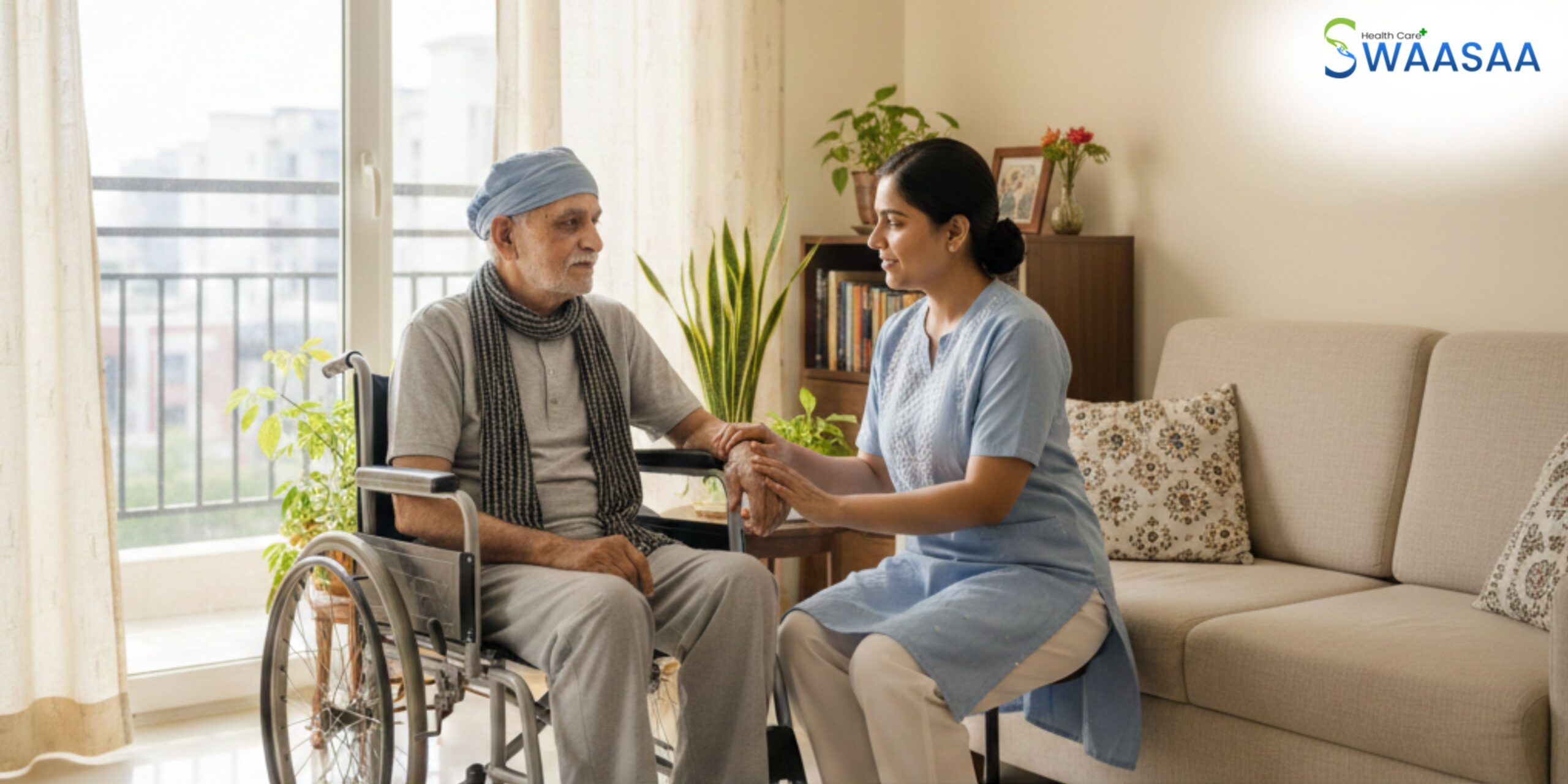
At home, a patient wakes up in their own bed. They see familiar walls. They hear family members in the next room. Maybe a pet jumps onto the bed like nothing has changed. These small, ordinary moments carry surprising strength. This is where thoughtful Patient Care Services begin to make a real difference, bringing medical support into a space that already feels safe.
For patients undergoing chemotherapy or radiation, immunity can be low. Staying at home reduces exposure to infections that are common in clinical settings. With structured Patient Care Services in place, families gain both professional oversight and the comfort of knowing their loved one is protected in a familiar environment. That alone brings peace of mind.
Emotionally, home offers stability. Stress levels tend to decrease. Sleep can improve. Patients regain small choices in their day, like when to rest or what to eat. These choices may seem minor, but during cancer treatment, even small control feels powerful.
Home Care Is More Than a Visit
Some people imagine home care as someone checking blood pressure and leaving. In reality, it can be deeply comprehensive.
Skilled nurses can manage IV infusions, wound care, medication schedules, and symptom monitoring. They notice subtle shifts in energy, confusion, appetite, or pain. Adjustments can be made quickly and thoughtfully.
Therapists may support recovery too. Physical therapists help patients rebuild strength at a realistic pace. Occupational therapists suggest changes in the home to prevent falls and conserve energy. A chair placed differently. A railing added. A pathway cleared. These details matter.
Palliative care can also be integrated at home. It focuses on comfort, pain relief, and quality of life at any stage of illness. It does not mean stopping treatment. It means supporting the whole person, not just targeting the disease.
Everyday Care Is Built on Small Details
Caregiving at home is rarely dramatic. It is steady and practical.
Bathrooms need non-slip mats and secure handles. Hallways should stay clear. Lighting becomes important at night. Safety slowly becomes second nature.
Nutrition shifts too. Large meals can feel overwhelming. Smaller portions throughout the day often work better. Smooth soups, protein shakes, soft foods, and leafy greens provide nourishment without pressure.
Most families create some form of tracking system. A notebook. A wall calendar. A phone reminder app. Medication times, appointments, side effects. Writing it down reduces mental overload and prevents missed doses.
Emotionally, some days will feel heavy. There may be fear, frustration, silence. Sometimes the most supportive thing is not advice or motivation. It is simply sitting beside someone and letting them know they are not alone.
The Caregiver Matters Too
Caregivers often push themselves without noticing how tired they have become. Love can make you ignore your own limits.
Burnout is real. It does not mean you are failing. It means you have been carrying a lot.
Respite care allows family caregivers to step away for a few hours or days while a trained professional steps in. Resting is not selfish. It is necessary. Strength needs renewal.
Healing Is Not Only Medical
Home care is not just about managing symptoms. It is about preserving dignity. It is about protecting moments of normal life in the middle of uncertainty.
Cancer changes routines. It changes priorities. But it does not have to take away comfort, familiarity, and connection.
In many cases, healing feels more possible when surrounded by love, routine, and the quiet strength of home.
If you would like, I can help you create a simple daily caregiving checklist or a clear guide to choosing the right home care Services for your family’s needs.
Popular Posts

Symptoms of COVID-19






Elderly Care Tips at Home


Postnatal Care: A Guide to the “Fourth Trimester
Renting Medical Equipment for home care