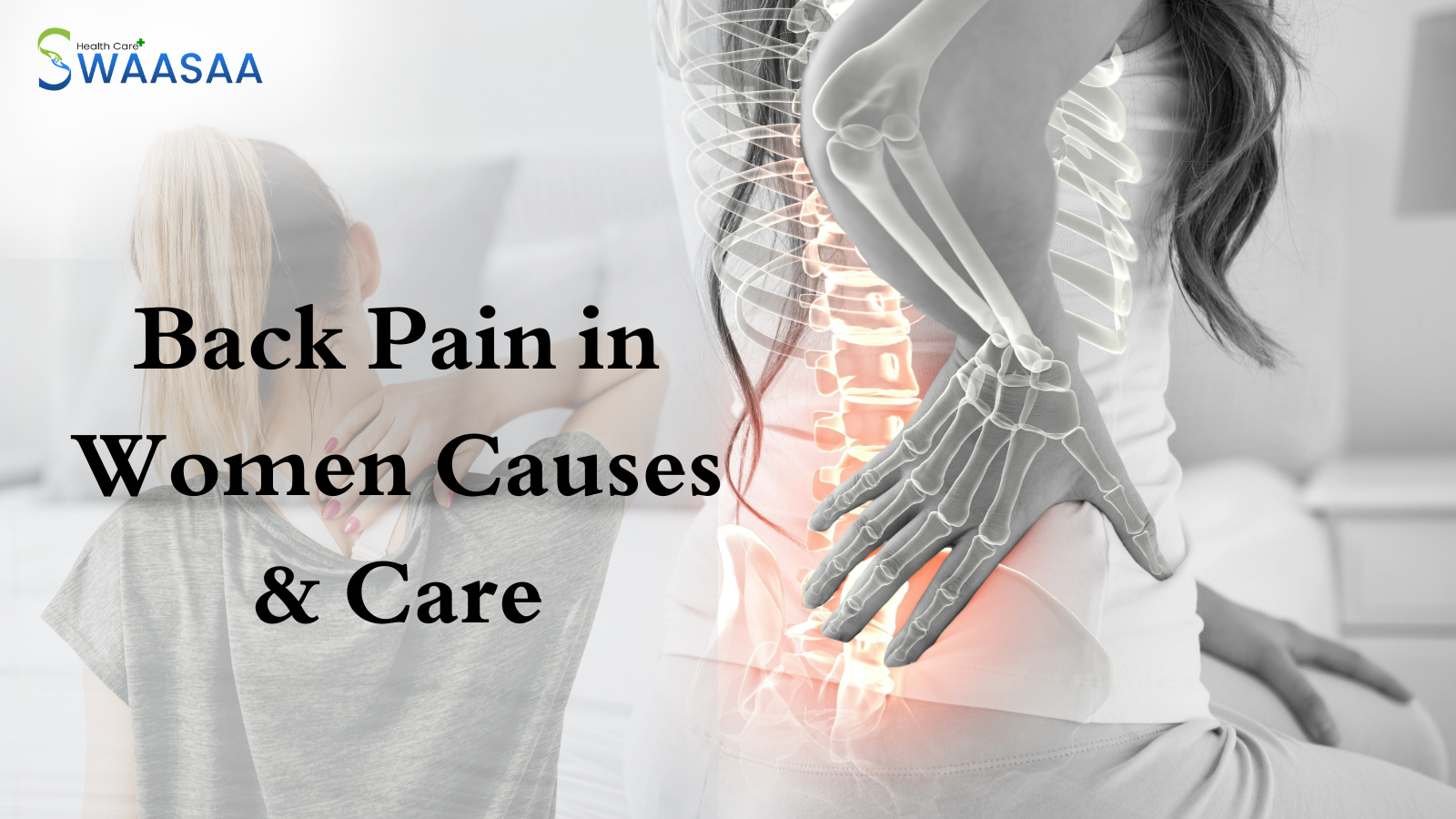
Back pain is something almost everyone goes through at some point, but for many women, they also find relief through physiotherapy at home and guided exercise. It’s not just “a sore back.” It’s something that shows up during busy mornings, stressful workdays, motherhood, hormonal shifts—basically during life itself. Studies keep reminding us that women are more likely than men to deal with chronic back pain and often feel it more intensely too. And as we move through this era of long desk hours, hybrid jobs, and constantly shifting health priorities, understanding why women experience back pain differently has never felt more important.
From major life chapters like pregnancy and menopause to everyday influences like posture, stress, or even the bags we carry, women’s bodies quietly handle a lot. If you’ve been living with that constant dull ache, a sharp pinch when you move, or a pain that refuses to fade, you’re definitely not alone. Let’s talk through some of the most common reasons back pain affects women—and what can realistically help.
1. Hormones and the Monthly Cycle
For many women, back pain doesn’t just “show up”—it follows a rhythm. Hormones like estrogen and progesterone do far more than manage the reproductive system; they also influence muscle tension and how the body interprets pain.
During menstruation, the body releases prostaglandins to help with uterine contractions, but these same chemicals can send pain signals spiraling into the lower back. Women dealing with PMDD often describe their back pain as sharper and more emotionally draining during certain phases of their cycle. It’s not “in your head”—your body is literally responding to chemical shifts.
2. Pregnancy and Life After Birth
Pregnancy changes everything—especially the spine. As the baby grows, the center of gravity moves forward, and the body instinctively leans back, forcing the lower back to work overtime. Add to that the hormone relaxin, which softens ligaments to prepare for childbirth but can also loosen spinal support, and pain becomes almost inevitable.
Then comes the postpartum phase—lifting your baby, bending repeatedly, breastfeeding while hunched forward, sleeping less… (postpartum recovery and support are crucial) it all puts tremendous pressure on the back. Recovery takes patience, and sometimes, intentional strengthening.
3. Menopause and Bone Health
When menopause approaches, estrogen levels drop, and with it comes another concern: bone density. Weakening vertebrae can lead to silent compression fractures or persistent back discomfort. Spinal discs may also lose cushioning as estrogen decreases, which can bring stiffness, aching, or ongoing degenerative back issues. It’s one of those changes no one warns women about enough—but it matters.
4. Gynecological Conditions That Show Up as Back Pain
Sometimes back pain isn’t about muscles at all—it’s something deeper.
Endometriosis can cause deep, radiating back pain. Fibroids may physically press on nerves. Chronic pelvic infections like PID can quietly sit in the background as a constant heavy ache. When your back pain doesn’t behave like “normal” muscle pain, it’s worth listening to those signals.
5. Fashion, Footwear, and the Bags We Carry
It sounds superficial until it isn’t. High heels change posture, tilt the pelvis, and force the spine into unnatural positioning. And then there’s the iconic oversized handbag—heavy, always thrown on one shoulder, subtly pulling the spine sideways. Over time, these small everyday habits add up.
6. Sedentary Work and Poor Posture
Modern work life means endless hours sitting, often in chairs that aren’t supportive, staring at screens that aren’t at eye level. “Tech neck,” rounded shoulders, tight upper back muscles—these aren’t buzzwords. They’re everyday realities for countless women who are simply trying to get through work.
7. Stress, Emotions, and the Mind–Body Connection
Women carry a lot—emotionally and physically. Balancing family, careers, responsibilities, expectations… it takes a toll. Chronic stress keeps the body in survival mode, tightening muscles in the neck, shoulders, and back. Eventually, that tension stops being temporary and becomes chronic pain.
What Actually Helps
Back pain usually needs more than one solution—it needs a thoughtful plan:
- Build a stronger core so the spine feels supported. Gentle yoga, Pilates, or guided strengthening can help.
• Improve ergonomics: better chairs, better posture, better screen height.
• Choose footwear that loves your spine, not just your outfit.
• And if the pain lingers, worsens, or feels unsettling, see a doctor or a women’s health physiotherapist. Professional support can make an enormous difference.
When to Seek Urgent Help
Don’t wait—get medical care immediately if you experience:
• Sudden weakness or numbness in your legs
• Loss of bladder or bowel control
• Pain so severe it disrupts sleep or movement
• Back pain with unexplained fever or weight loss
Final Thoughts
Back pain in women rarely comes from just one cause. It’s usually a blend of biology, lifestyle, and life stages intertwining. Understanding what’s really happening inside your body isn’t just empowering—it’s the first step toward healing, moving freely again, and living without constantly worrying about your back.
If this is something you’re going through, you deserve care, patience, and relief. And you’re far from alone.
Popular Posts

Symptoms of COVID-19







Elderly Care Tips at Home


Renting Medical Equipment for home care