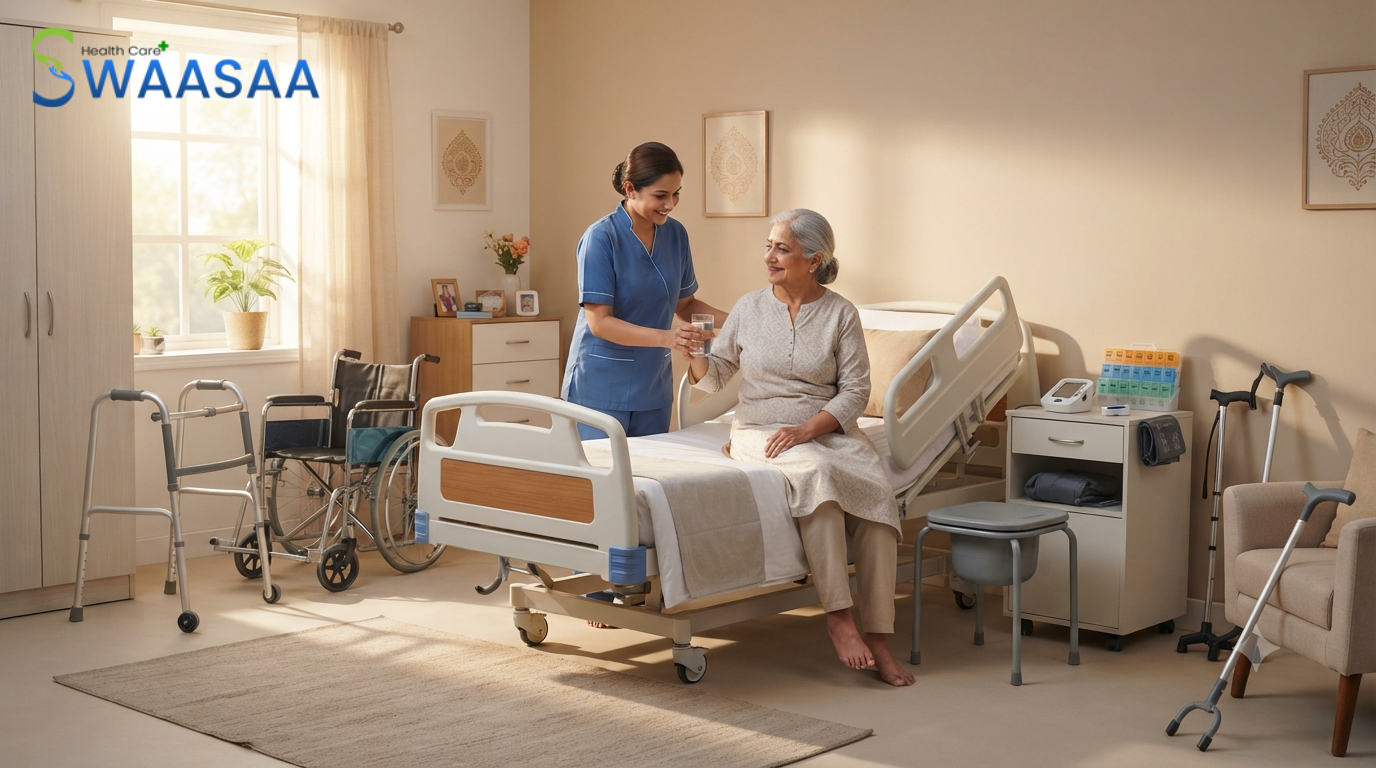
Home caregiving can be full of surprises. Whether your loved one requires care after surgery or because of an ongoing disease or even aging, it will be necessary for you to alter your domestic environment in a way that not only keeps them safe but also gives them respect in the long run. Unfortunately, many people fall into the trap of purchasing costly and fancy medical equipment. You may have become so fascinated by marketing techniques that you buy devices which have no actual significance in improving your loved one’s condition. Effective homecare means identifying those tools that will help minimize dangers associated with falls and bed sores.
Prioritizing Structural Safety and Fall Prevention
Prior to any contemplation on obtaining specialized equipment for your senior loved one, your initial audit should be about structural safety within your home. Falls are the number one reason for injuries among seniors, and many times the best “equipment” would not even resemble such and would blend in seamlessly into your surroundings. Begin with the basics that provide a significant effect – proper and well-designed grab bars in the bathroom, nonskid adhesive mats for the shower area, and appropriate transfer aids such as a strong gait belt or even a slide board. These are absolute necessities when it comes to fall prevention. Also, make sure you have enough light. Motion sensor night lights in the hallways and next to the bed could significantly decrease the danger of nocturnal accidents.
Distinguishing Between “Clinical” and “Comfort” Needs
When it comes to the bedroom, there is always a tendency to buy expensive, industrial-grade hospital beds. This type of bed is certainly required for patients who are totally non-weight-bearing, but most patients need only a good mattress protector and an ergonomic support system which can be accomplished using current furniture and a couple of accessories. If your patient spends their time lying in bed, invest in a medical-grade foam mattress or an anti-decubitus air mattress to ensure proper pressure relief, which will significantly reduce the possibility of getting bedsores—the clinically required result. Otherwise, you should not buy various devices unless they are recommended by your doctor. In addition, instead of buying expensive and numerous monitors for regular check-ups, it is better to get a good digital blood pressure cuff and a pulse oximeter.
The Importance of Purpose-Driven Equipment Selection
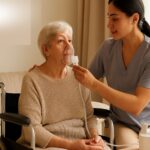
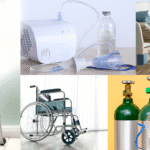
Each item that you bring into the house must have a clearly defined role to play. If the apparatus does not help the patient move about or feel clean or comfortable, then it is probably unnecessary. In cases such as oxygen concentrators or nebulizers, for instance, it is best that you obtain these only on prescription from a qualified professional and use them as per stringent instructions rather than simply stocking up in case of emergencies. The idea is to provide an atmosphere of a home rather than the sterile atmosphere of a hospital.
Managing Caregiver Strain Through Efficiency
Don’t forget that the equipment is supposed to assist the caregiver too. If using any special lift or height-adjustable commode will decrease the physical stress placed on the primary caregiver, the purchase will be justified. Care about the physical condition of the caregiver is as important as caring about the patient since the caregiver’s exhaustion is what makes home-based recovery programs unfeasible. Consider each product in relation to its ability to ease the process for all parties. You need to create an environment which will allow for recovery in a sustainable way, keeping the patient independent and not overworking the caregiver.
At Swaasaa Healthcare, we understand that care is much more than simply having a piece of medical equipment at hand. The professional help from our specialists and nurses will turn your home into a place of healing and recovery, giving your family member a professional care within the comfort of family atmosphere.
Popular Posts

Symptoms of COVID-19



Elderly Care Tips at Home

Renting Medical Equipment for home care