The very mention of the term “home oxygen therapy” becomes known to many individuals only through their physicians. The meaning associated with it can be deep, although in most cases, it is presented in such rapid speed that understanding all details becomes difficult.
However, what does home oxygen therapy consist of? In what case is an oxygen concentrator required at home? How should it be used safely?
Here is what it’s all about.
What an Oxygen Concentrator Does
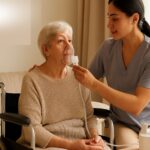
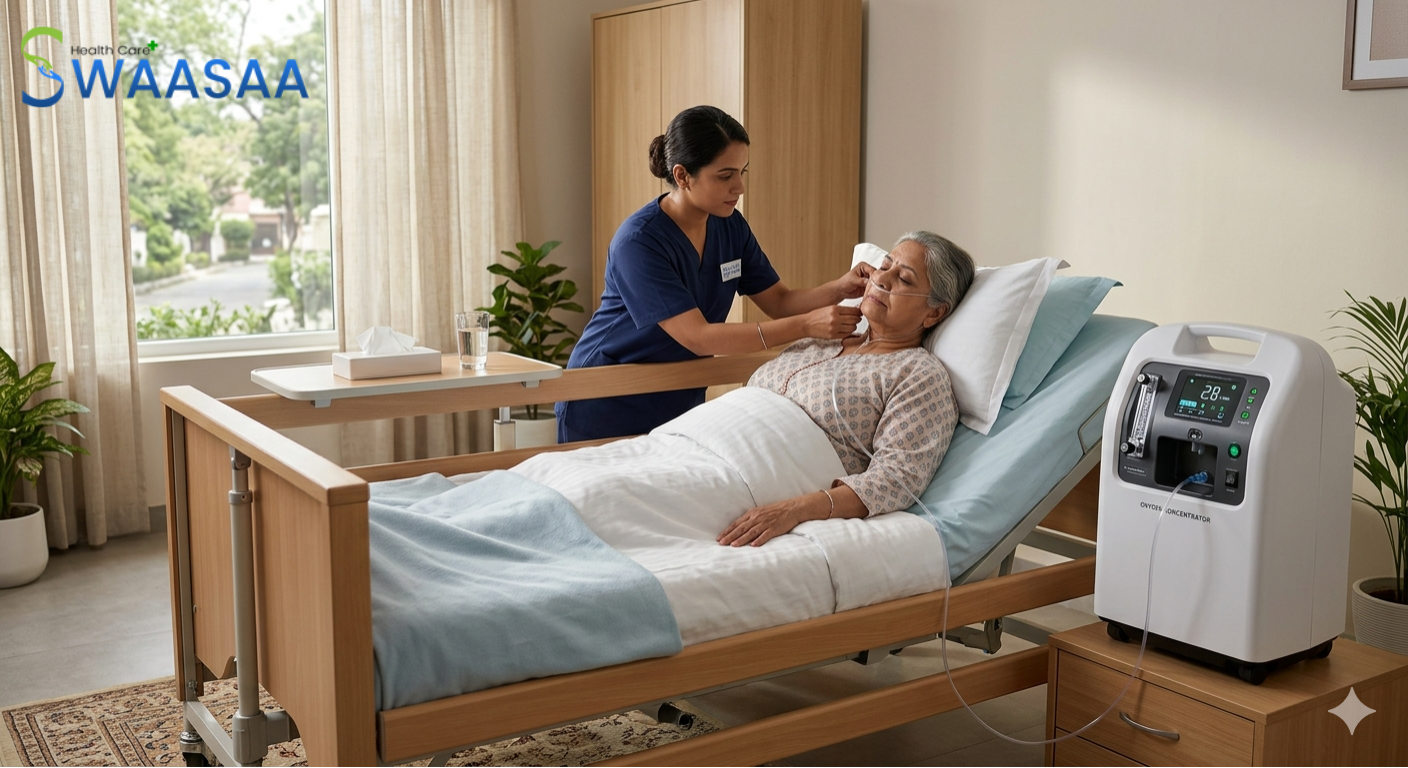
Oxygen concentrator is basically a machine which inhales air from the surrounding environment, eliminates the nitrogen present in it and delivers pure oxygen (90% to 95%) to the patient through a nasal tube or face mask.
The difference between concentrators and oxygen tanks is that whereas the tanks contain a fixed amount of compressed air, the supply of which runs out after a while, the former continuously delivers oxygen as long as electricity is available. Hence, these machines are much more convenient and economical than oxygen tanks for home care.
But these cannot replace the health-care institutions. What they provide is the option for people needing oxygen therapy to receive care in their homes.
When a Doctor Prescribes Home Oxygen
If there is a need for home oxygen therapy, then it will be decided based on the percentage of blood oxygen saturation, which can be analyzed with the help of pulse oximeters. The standard norm of SpO2 in general should be below 88% in which oxygen therapy is essential.
The disease commonly treated through home oxygen therapy in India include:
- Chronic Obstructive Pulmonary Disease (COPD): This is one of the most common causes. This is because patients suffering from COPD have lower blood oxygen saturation.
- Lung damage post-COVID-19: Due to the damage caused to lungs after patients suffer from coronavirus infection, oxygen therapy becomes necessary.
- Interstitial Lung Disease: This implies a disease where lungs get scarred due to which oxygen absorption becomes difficult.
- Heart Failure: People suffering from diseases related to heart problems have been found by some doctors to suffer from lack of sufficient oxygen supply in their blood, particularly at nighttime, and may require oxygen to help them out of such problems.
- Postoperative Care: Some patients, particularly those who have recently had major surgery of either their abdomen or chest, may be advised to take oxygen therapy for some time to allow their lungs to recover.
It is entirely up to the discretion of a physician that how much oxygen you will require in home care, how much will be the flow rate, and how many hours per day you will use oxygen.
How to Use a Concentrator Safely at Home
The location matters. The concentrator needs some free space around it, and that must be a minimum of 30 centimeters from all sides to provide enough ventilation. The concentrator can’t be put into any cupboard or near any wall with no free space. It also shouldn’t be put into any poorly ventilated room.
Fire isn’t allowed. Oxygen serves as a catalyst during a fire accident. Cigarette smoking near a concentrator isn’t allowed. Other things like candles, gas stove, or other similar products aren’t allowed too.
Filtering matters. Most of the concentrators have an intake filter made of foam. It needs cleaning once a week.
Flow rate regulation. Should always be done according to the directions of the physician, measured in Litres per Minute (LPM). Uncontrolled flow rate may lead to problems as too much oxygen may lead to a decrease in respiration in COPD patients.
Emergency plans. As far as the areas of north India go, where there might be instances of electricity failure, there should always be some backup measures ready. That includes keeping an electricity source such as a power bank that could power up the device, or even a small gas cylinder.
Be on your guard. In the event that the oxygen level does not help to normalize the SpO2 levels in the patient, along with the increasing shortness of breath and cyanosis of lips, then this is the point where hospitalization is essential.
Renting vs. Buying
In case of short-term usage (few weeks or few months), it becomes more practical to hire it than to purchase it. The price of a decent unit lies in the range of ₹40,000 -F ₹80,000. It is possible to get hiring facilities at a monthly cost of ₹1,500 – ₹3,000.
People having a chronic disease like COPD would benefit from purchasing it.
Swaasaa: Home Healthcare Support When It Matters Most
Here at Swaasaa, we are ready to help patients who receive home oxygen treatment in Punjab, Haryana, Delhi, and Mumbai areas under the supervision of trained caregivers who know how to work on the oxygen device safely, monitor SpO2 levels, and ask for help whenever required. Our team also helps coordinate the arrangements for renting medical devices like oxygen concentrators from trusted vendors. If you are looking after your family member’s health in your home, feel free to contact us.
Popular Posts

Symptoms of COVID-19




Elderly Care Tips at Home
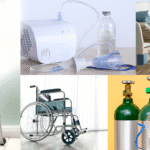
Renting Medical Equipment for home care