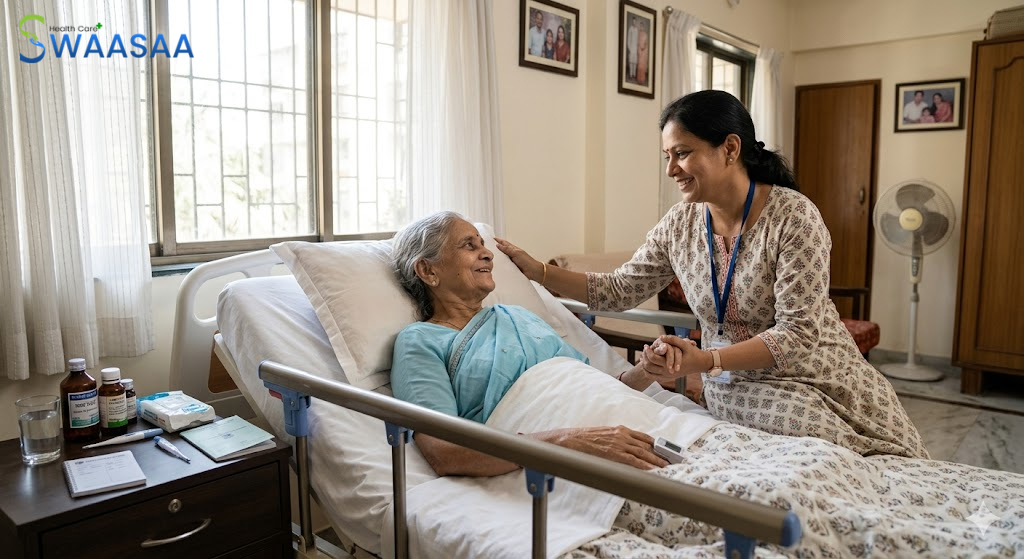
As soon as a relative becomes confined to a bed due to an operation, stroke, disease, or just aging, life at home takes on a completely different look. The day-to-day routine is transformed. There are more obligations. And when somebody takes up the duties of a caretaker, there is little training involved.
It’s one of the toughest things a family goes through. Yet it’s even more challenging because no one prepares you for it.
This handbook will take you through the basics of how to manage your new responsibility, possible complications, and the boundaries of family care provision.
Repositioning: The Most Important Thing You’ll Do Every Day
A person who cannot turn himself or herself should be turned by someone else, every two hours at least.
It is essential because remaining in one position for too long will affect the circulation of blood to the parts of the body that are pressed against surfaces, such as the tailbone, heels, hips, and shoulder blades. In just hours, the skin starts breaking down, while within days, ulcers might form. Once formed, pressure ulcers are painful and hard to treat.
Turning involves rotating the patient from lying flat on his/her back to either side, alternately. The use of pillows when turning the patient helps distribute weight properly. Placing the pillow behind the back and in-between the knees ensures the bony parts are not affected. A good-quality mattress is recommended to ensure safety.
Learning how to turn correctly saves time and prevents injuries to the patient and the caregiver.
Skin and Hygiene Care
Since bedridden individuals are not able to attend to their hygiene needs, improper hygiene sets off the process of development of skin breakdown and infections.
It is important to carry out bed baths on a daily basis. Special emphasis should be paid to the areas where there is natural accumulation of moisture, such as the folds of skin, groin, and armpits. After that, skin must be dried and then a moisturizer can be applied to ensure that the skin does not crack.
In case of incontinent patients, it is essential to clean the skin immediately after every episode of urinary or bowel incontinence, as this results in rapid destruction of the skin.
Nutrition and Hydration
Being bedridden often makes individuals have poor appetites. This happens due to reduced physical activity, adverse effects of medicines, and the overall fatigue associated with being ill. However, proper nutrition is necessary for wound recovery, functioning of the immune system, and muscle maintenance.
It is advisable to take small portions several times throughout the day rather than eat three larger meals. Soft food requires less energy to consume. In case of any difficulty swallowing (especially after a stroke), discuss diet adjustments with a physician, as improper diet consistency may result in aspiration.
Proper hydration is equally crucial. Bedridden patients suffering from dehydration risk developing UTIs, constipation, and confusion.
Breathing and Circulation
Bed rest may impact respiratory health since mucus tends to build up. There is always a chance that bedridden individuals might suffer from pneumonia, especially those that are aged.
The best solution would be elevating the patient’s head in a comfortable position whenever he or she is awake. Deep breathing exercises and coughing will keep the lungs clear and functional.
Secondly, the other health issue to look out for is circulatory disorders since blood clots may form if there is prolonged immobility. Engage the patient in some exercises such as moving his or her legs gently or by another person. Compression stockings are very important to prevent blood clots.
Knowing When Family Care Isn’t Enough
This is where the majority of families get to ultimately, but usually far too late.
It’s draining both mentally and physically for someone who must be there all the time. There’s such a thing as caregiver burnout, and once it kicks in, the level of care becomes sub-par no matter how much the family loves their relative. Realizing when professional help is required doesn’t mean giving up – just being realistic.
Where a trained caregiver excels is in their experience and ability to notice telltale signs of something potentially serious going on – the beginning stages of bedsores, changes in breathing patterns, and the onset of infections.
Trusted Bedridden Patient Care at Home
Swaasaa provides trained caretakers for our patients who are bedridden, throughout Punjab, Haryana, Delhi, and Mumbai. These caregivers have skills in repositioning, hygiene, nutrition, and monitoring. Moreover, all our caregivers undergo background checks and health checks before deployment. Whether it’s around the clock assistance or just during the day, we always make sure that your patient has a caregiver according to his/her condition and your requirements.
Popular Posts
Symptoms of COVID-19






Elderly Care Tips at Home
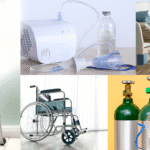
Renting Medical Equipment for home care