There’s something quietly overwhelming about the first time you hold your newborn and feel completely unsure of what to do next. You want to comfort them, connect with them — and yet those tiny limbs feel almost too fragile to touch.
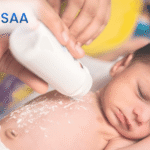
Baby massage is one of the oldest ways families across India have bridged that gap. Long before there were research papers written about it, grandmothers in Punjab were warming mustard oil between their palms and grandmothers in Maharashtra were reaching for coconut, all of them doing something that modern science has since confirmed: intentional, loving touch does measurable good for a growing baby.
What Does Baby Massage Actually Do?
The benefits go beyond relaxation, though that’s real too.
Regular massage helps with weight gain, studies from neonatal units show that babies who receive consistent touch therapy gain weight faster, partly because massage stimulates the vagus nerve, which supports digestion and nutrient absorption.
It improves sleep. Massage lowers cortisol and raises melatonin, so babies fall asleep more easily and stay asleep longer. Better sleep for the baby almost always means better sleep for the mother.
It eases colic and gas. Specific abdominal strokes help move trapped gas through the digestive system, this is the benefit most new parents feel most immediately and most gratefully.
And perhaps most importantly, it deepens the bond. Skin-to-skin contact releases oxytocin in both the baby and the parent. For mothers still recovering from delivery or navigating postpartum emotions, this physical connection can be genuinely grounding.
When to Start
You can begin gentle massage from the first week at home, once the umbilical cord stump has dried and there are no open skin areas. For premature babies or those with any medical concerns, check with your paediatrician first.
Most practitioners suggest starting somewhere between two and eight weeks, early enough to make it a daily habit, but after you’ve both had a few days to settle into being home. By three months, most babies are visibly responding: making eye contact, cooing, reaching for your hands. It stops feeling like a care task and starts feeling like a conversation.
Choosing the Right Oil
Coconut oil is lightweight, natural, and absorbs well, the default choice across South India for generations, and with good reason. Almond oil is gentle and suits sensitive skin. Sesame oil is warming and deeply rooted in Ayurvedic baby care, particularly good in cooler months.
Mustard oil is traditional in North India but paediatricians are divided as it can be mildly irritating to newborn skin. If it’s a family tradition, use it sparingly.
Whatever you choose, warm it between your palms first. Cold oil on a newborn is startling and sets the wrong tone from the start.
A Simple Technique to Follow
You don’t need a formal routine. A loose structure is enough.
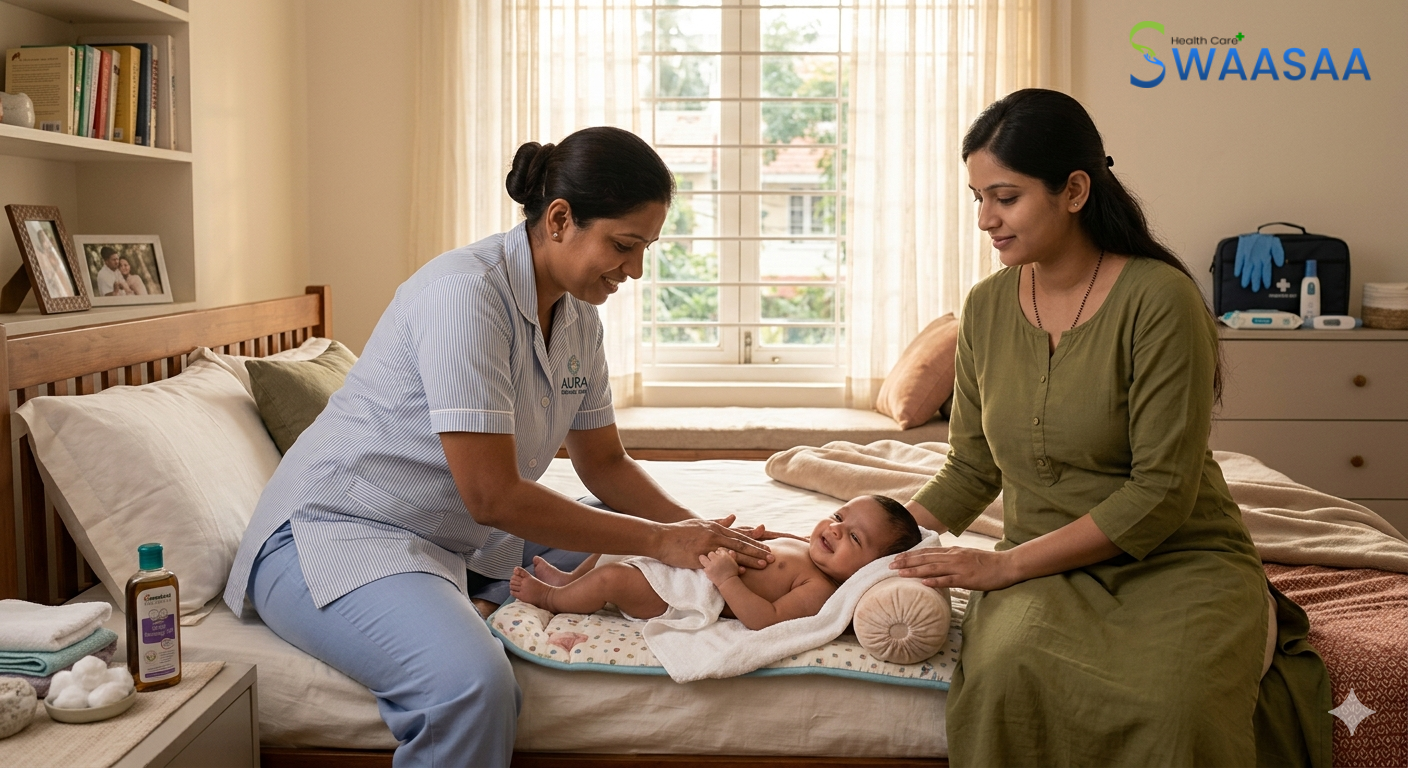
Start with the legs, babies tolerate leg touch more easily, so it’s a gentle entry point. Long strokes from thigh to foot, then soft ankle rotations and a gentle press on the sole.
Move to the abdomen using clockwise circular movements with flat fingers. This follows the digestive tract and is the most effective stroke for gas relief. Never press hard here.
Then the arms and hands with long strokes shoulder to wrist, gentle wrist rotations, a soft press across the palm.
If your baby tolerates tummy time, finish with the back with parallel strokes from shoulders to bottom, always working alongside the spine, never directly on it.
Read the Cues, Not the Clock
A baby enjoying massage will make eye contact, breathe evenly, and feel relaxed in your hands. A baby who’s done will turn their head away, stiffen, or cry. When that happens, just stop. Don’t push through it.
Never massage a baby who is unwell, recently vaccinated, or very hungry. The best time is when they’re calm and alert, usually about an hour after a feed.
Ten minutes, roughly the same time each day, builds a rhythm the baby’s nervous system begins to anticipate. The technique matters less than the consistency, and the consistency matters less than simply showing up and being present.
That’s something no product can replicate.
Swaasaa’s trained baby care professionals support new families with newborn handling, massage guidance, and full postnatal care at home. Call us if you’d like a steady pair of hands in those early weeks.
Popular Posts

Symptoms of COVID-19






Elderly Care Tips at Home
Renting Medical Equipment for home care