The process of recovery following a stroke, spinal cord injury, or any neurological occurrence is measured in small victories. For the Tricity community, the transition from a clinical hospital environment to a residential setting is a critical turning point that demands careful planning. It is more than a change of scenery; it is the reconstruction of a healing environment. This is why Home care for paralytic patients in Chandigarh has become a niche area of healthcare, dealing with intensive rehabilitation, complication management, and psychological support.
1. The Clinical Necessity of Specialized Home Nursing
Paralysis is more than a loss of motor function; it is a systemic problem. When a patient is confined to bed or has restricted mobility, the body is susceptible to secondary complications that can arrest the recovery process or result in re-hospitalization. Professional Home care for paralytic patients in Chandigarh offers a “clinical safety net” against these dangers.
Skilled healthcare professionals are critical for managing the skin. Pressure sores (bed sores) can form in as little as two hours if the patient is not turned properly.A professional caregiver strictly follows a “turning clock” to ensure that the patient’s weight is evenly distributed and the skin is kept clean and dry. In addition, they deal with the complexities of catheter maintenance and bowel management, which are typical issues for patients with limited lower body function. By adhering to such high standards of hygiene and mobility, the caregiver can prevent infections that may prove fatal to the patient.
2. Neuroplasticity and the Role of Physical Therapy
One of the most promising developments in contemporary medicine is our understanding of neuroplasticity, the brain’s incredible ability to “rewire” itself after injury. However, this process of “rewiring” is not a solo event; it needs to be stimulated continually. Home care for paralytic patients in Chandigarh means that the patient can benefit from supervised physiotherapy on a daily basis, which concentrates on “mirror therapy,” functional electrical stimulation, and repetitive task training.
A professional home therapist concentrates on building the strong side while encouraging the paralyzed limbs to move. This is essential to prevent “muscle contractures,” where the muscles shorten and the joints become stiff.
3. Environmental Adaptation and Safety
While a house is a haven of comfort, it can be a source of concealed dangers for a paralyzed patient. Environmental adaptation and safety are a part of a holistic home care program, which requires an “environmental audit” to make the environment conducive to recovery. This includes:
- Adaptive Equipment: Installing grab bars, using air mattresses to avoid bed sores, and ensuring that the bed height is adjustable for safe patient transfer.
- Fall Prevention: Removing rugs, ensuring bright lighting, and establishing clear paths for wheelchairs or walkers.
- Assistive Technology: Using voice-activated devices for light or fans to give the patient a sense of control and independence.
By opting for Home care for paralytic patients in Chandigarh, patients can avail the expertise of professionals who understand exactly how to convert a normal room into a highly functional recovery room. This physical change in the home environment is the first step towards restoring the patient’s confidence.
4. Coping with the Psychological Effects of Paralysis
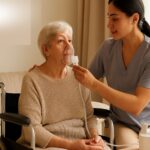
The psychological effects of loss of mobility can cause extreme depression and feelings of isolation. In contrast to a typical hospital setting, home care provides an opportunity for a personal touch. A caregiver is more than just a medical professional; they are a companion who understands the frustration of the patient and shares in their triumphs.
This mental support is essential in maintaining “treatment compliance.” A patient who feels understood and supported is much more likely to go through the tough sessions of physical therapy. The availability of a professional caregiver enables family members to move back from being “nurses” to being “daughters, sons, and spouses,” which heals the family and gives the patient the emotional foundation they need to keep fighting.
5. The 24/7 Safety Net
Recovery is not a straight line; there will be “bad days” when the patient may suddenly feel pain, see blood pressure spiking, or have trouble breathing. The availability of a professional caregiver 24/7 means that there is an instant solution that can mean the difference between a slight setback and a serious crisis. They keep a “vitals log” that is an incredibly valuable resource for the primary neurologist, enabling them to make informed decisions about medication and therapy.
Conclusion: A Vision for Holistic Healing
The aim of home-based rehabilitation is to go beyond the survival stage and into a life of significance and autonomy. This demands an integration of medical expertise, nutritional knowledge, and profound empathy. In the healthcare scenario of North India, Swaasaa is a beacon of hope for families going through these struggles. By offering a support system that not only has medical expertise but is also attuned to the culture and is extremely empathetic, they ensure that the road to recovery is never walked alone. Your home is the final healing destination, and with the right companion, the possibilities are endless.
Popular Posts

Symptoms of COVID-19





Elderly Care Tips at Home

Renting Medical Equipment for home care