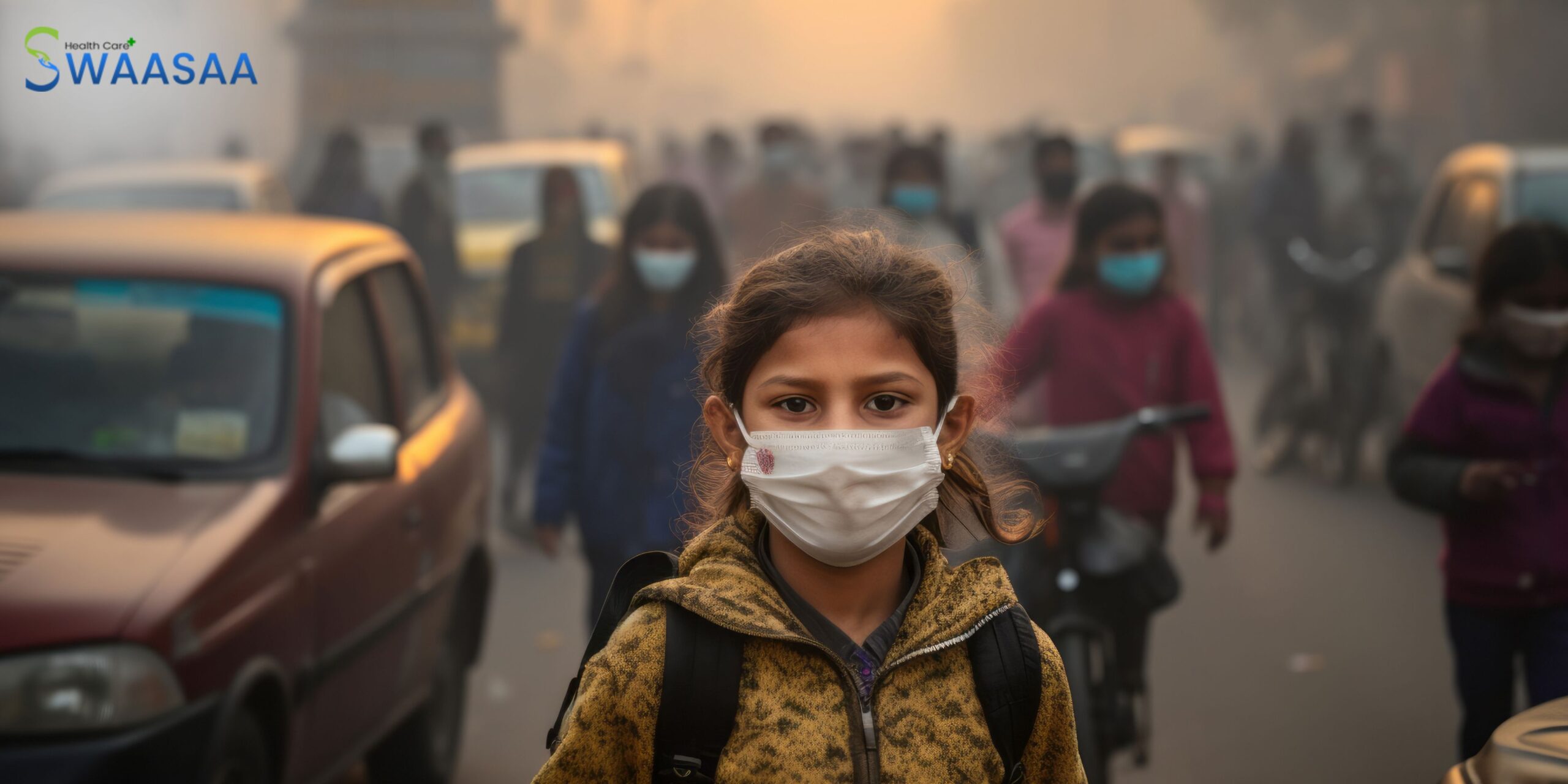
Walk through any busy Indian city early in the morning and you’ll notice it even before you see it—a light burning smell, a thin layer of smoke in the air, and a feeling of heaviness when you breathe. For millions of people, this is no longer a seasonal issue. It has become a part of daily life. India’s air pollution problem is now a serious health concern that affects our lungs, our land, our water, and even our wildlife.
This article explains the real impact of polluted air, how it affects our body and nature, and simple ways to stay safe.
1. The Rising Air Pollution Problem in India
India has grown rapidly in the last 10 years, but air quality in many cities has become much worse. Cities like Delhi, Gurugram, Lucknow, Patna, Mumbai, and Kolkata often record AQI levels far above safe limits, sometimes reaching “severe” levels. On such days, it feels like the air has more dust than oxygen.
Main causes of this pollution include:
- Vehicle exhaust from millions of cars and bikes
- Dust from construction and roads
- Emissions from factories
- Crop burning in northern states
- Smoke from household fuels in villages
- Waste burning in city outskirts
These activities release harmful pollutants like PM2.5, PM10, nitrogen dioxide, sulfur dioxide, ozone, and carbon monoxide.
The dangerous part? PM2.5 is so small that it enters deep into the lungs and even the bloodstream.
Air pollution is no longer just an environmental problem—it’s a health and safety risk, especially for children, elderly people, and those with asthma or heart issues.
2. How Air Pollution Affects the Human Body
Even a few hours in polluted air can affect your body. Many people don’t realize their symptoms are linked to poor air quality.
Immediate Breathing Problems
Polluted air irritates the throat and lungs, causing:
- Difficulty breathing
- Burning or scratchy throat
- Constant coughing
- Chest tightness
- More asthma attacks
- Faster spread of infections
Children are affected the most because they breathe faster and spend more time outdoors.
Hidden Damage to the Heart
Most people don’t know that polluted air harms the heart too. Fine particles can enter the blood and affect blood vessels.
Long-term exposure can lead to:
- High blood pressure
- Heart disease
- Higher chances of stroke
Doctors now consider air pollution as risky as smoking.
Effects on Eyes, Skin & Immunity
Polluted air can cause:
- Burning eyes
- Redness and dryness
- Itchy skin
Over time, it weakens the immune system and increases infections.
Slow, Long-Term Damage
Long-term exposure can cause:
- Reduced lung capacity
- Chronic bronchitis and COPD
- Faster aging of organs
- Higher risk of certain cancers
Clean air is not a luxury—it’s essential for a healthy life.
3. How Pollution Harms Nature and the Environment
Air pollution does not only harm humans. It affects the entire environment around us.
Plants and Crops Get Weaker
Pollution settles on leaves like invisible dust. It blocks sunlight and slows plant growth. Farmers in northern India often see lower crop yields during heavy smog.
Soil and Water Become Polluted
Pollutants like sulfur dioxide and nitrogen oxides cause acid rain. Over time, this damages soil nutrients and makes water bodies acidic, harming fish and other species.
Wildlife Suffers Too
Birds struggle with visibility. Animals breathe the same polluted air, leading to breathing problems and lower survival rates.
Pollution and Climate Change
Black carbon and greenhouse gases increase global warming. India is facing more floods, heat waves, and irregular rainfall because of this—directly affecting agriculture and water supply.
4. Simple Ways to Protect Yourself and Support Cleaner Air
We cannot fix everything overnight, but we can protect our health and make small changes that help the environment.
Check AQI Before Going Out
Use apps or government websites. Avoid outdoor exercise on poor or severe AQI days.
Wear the Right Mask
Use certified N95 or N99 masks to filter fine particles.
Improve Indoor Air Quality
- Keep windows closed during peak pollution
- Use an air purifier if possible
- Clean fans and vents regularly
- Keep air-purifying plants like aloe vera, snake plant, and peace lily
Strengthen Your Body from Inside
- Drink lots of water
- Eat foods rich in antioxidants: berries, nuts, ginger, turmeric, citrus fruits
- Practise breathing exercises indoors
A stronger body can fight pollutants better.
Make Small Eco-Friendly Choices
- Carpool or take public transport
- Avoid burning waste
- Join or support tree-planting drives
- Save electricity
Small habits, when followed regularly, can create big change.
Final Thoughts
Air pollution in India is not just a number or a news headline—it affects how we breathe, work, and live. Understanding the problem is the first step. The next is taking simple actions to protect ourselves and help our environment.
Cleaner air is not optional—it is necessary for a healthy future. With awareness, good habits, and collective effort, we can protect ourselves today and create a safer world for the next generation.
Popular Posts
Symptoms of COVID-19






Elderly Care Tips at Home

Renting Medical Equipment for home care